
Last updated September 10, 2026
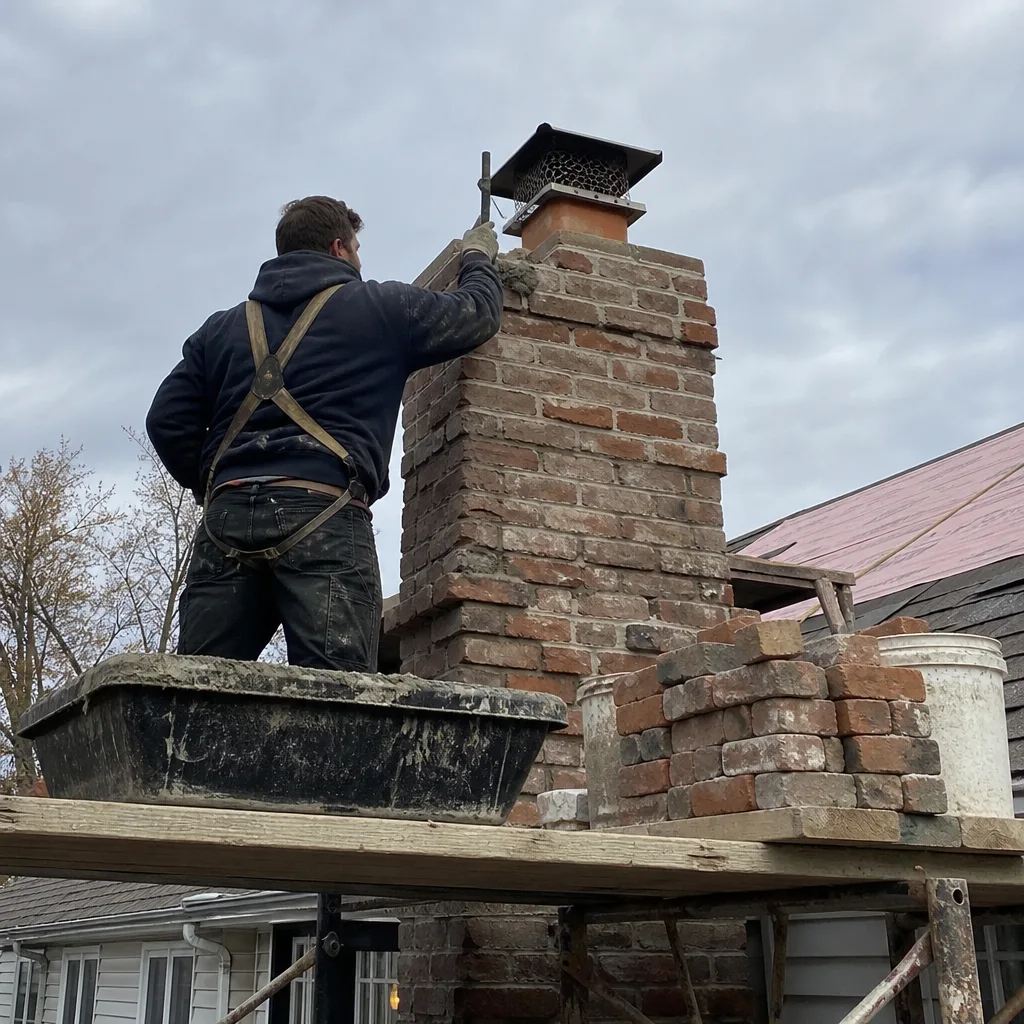
Level 1 sweep and inspection to the NFPA 211 annual standard - flue, crown, cap, and flashing checked and photographed
Chimney sweep logs do not sweep chimneys. They loosen some creosote - which then falls where a brush and vacuum still have to collect it.
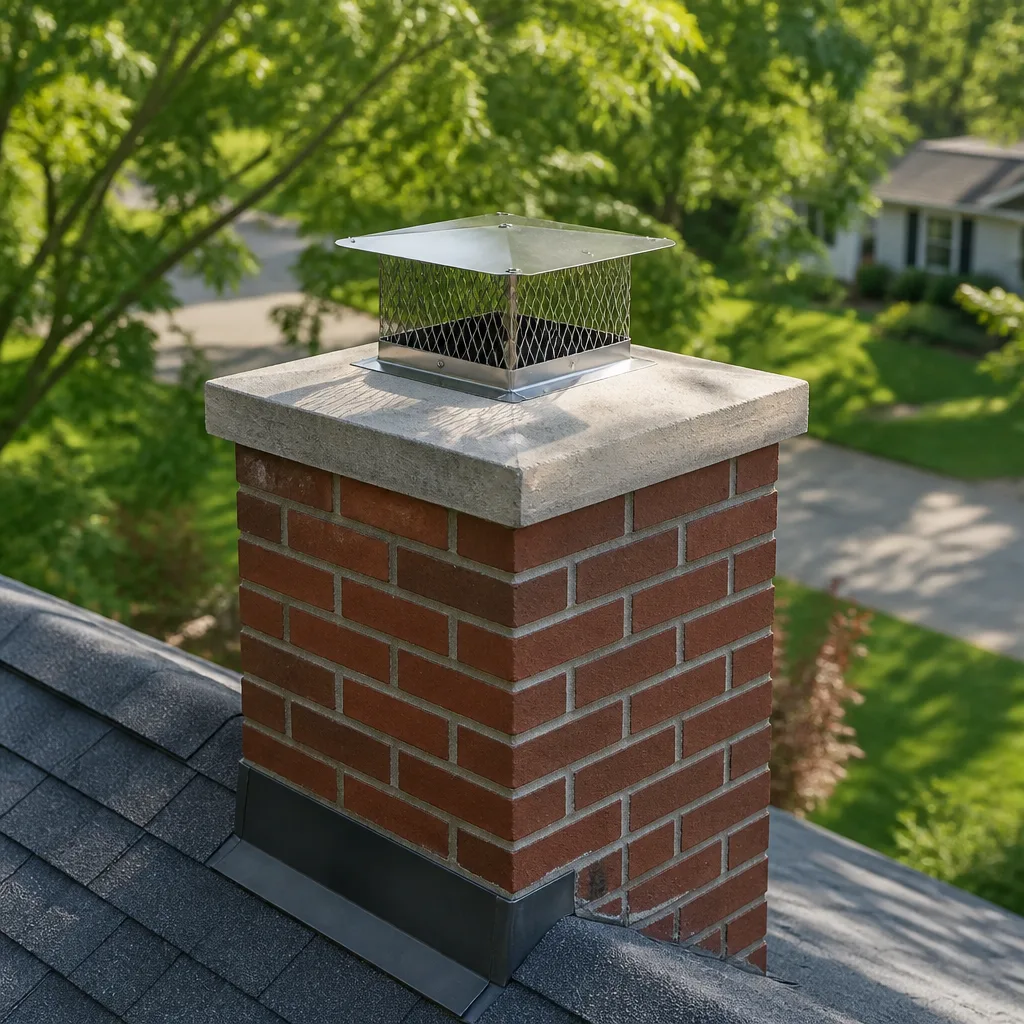
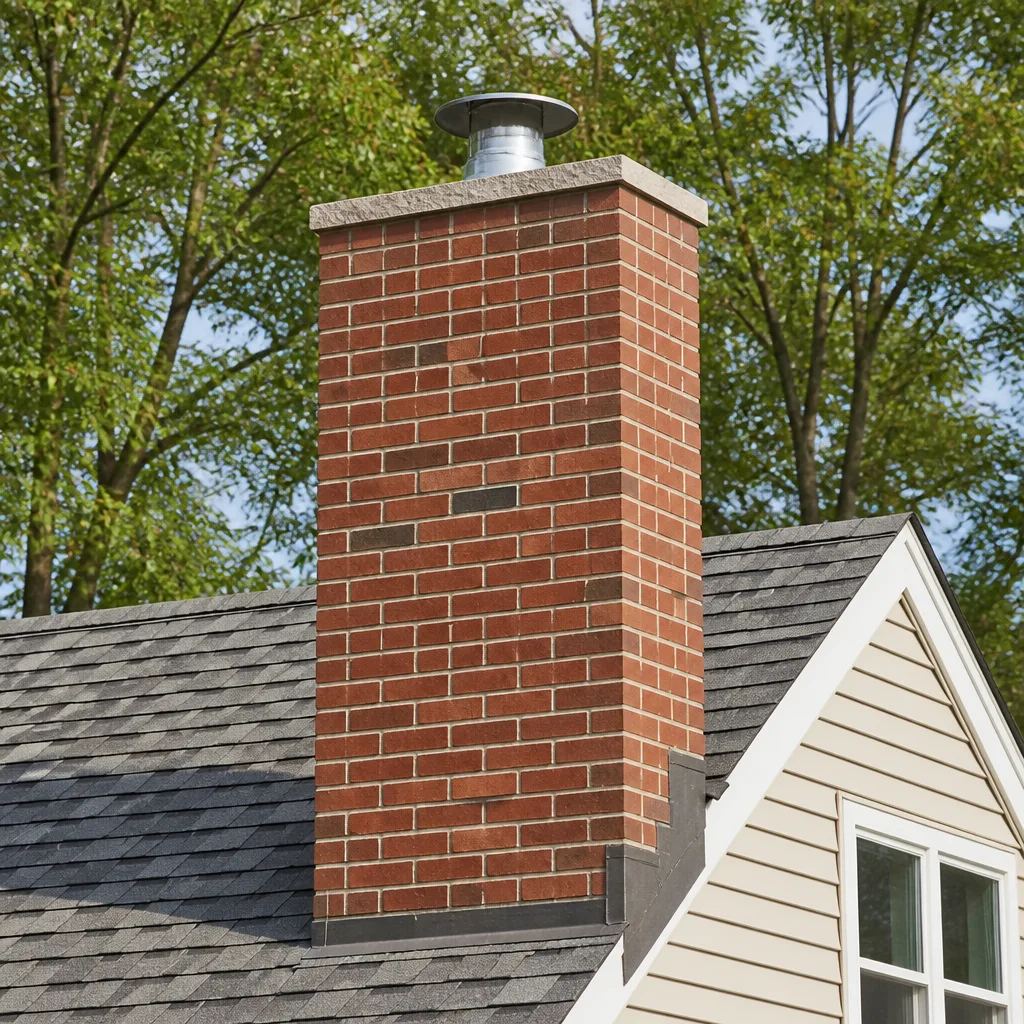
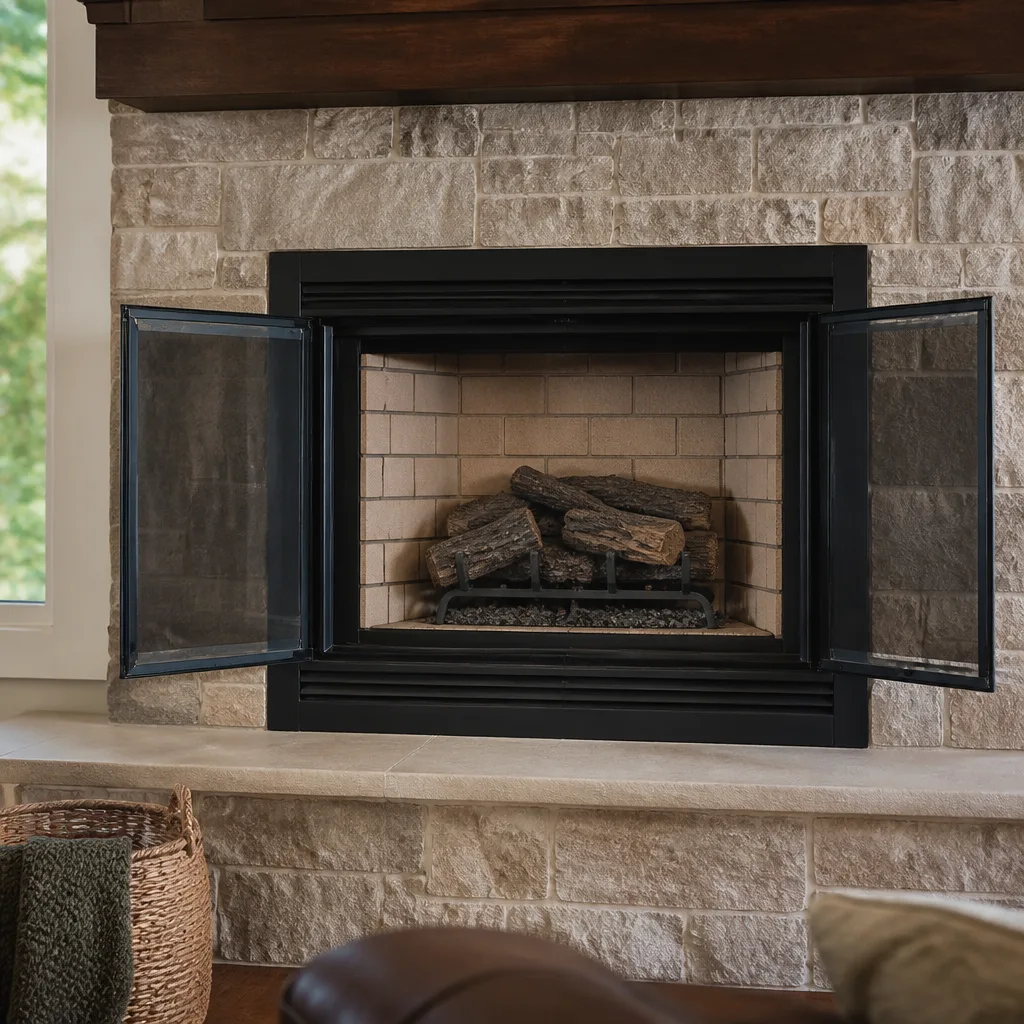
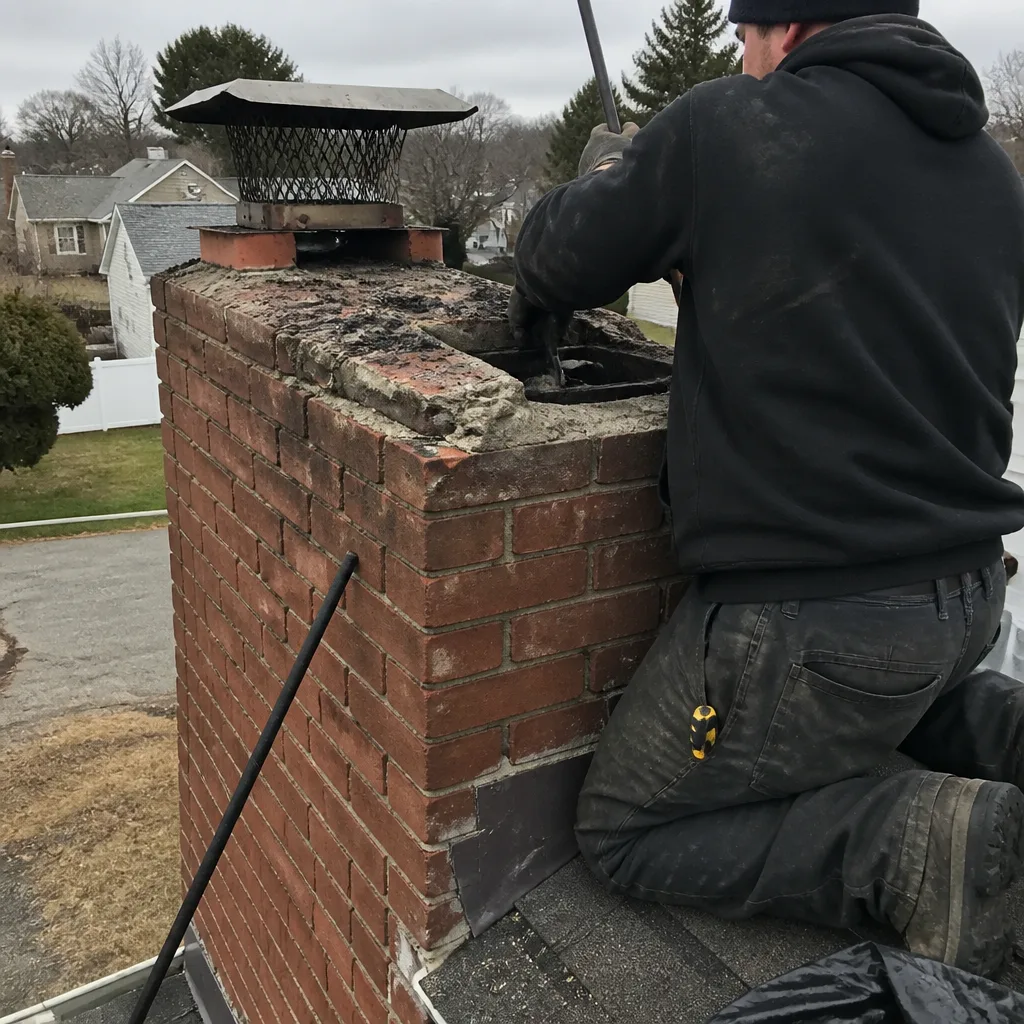 Before
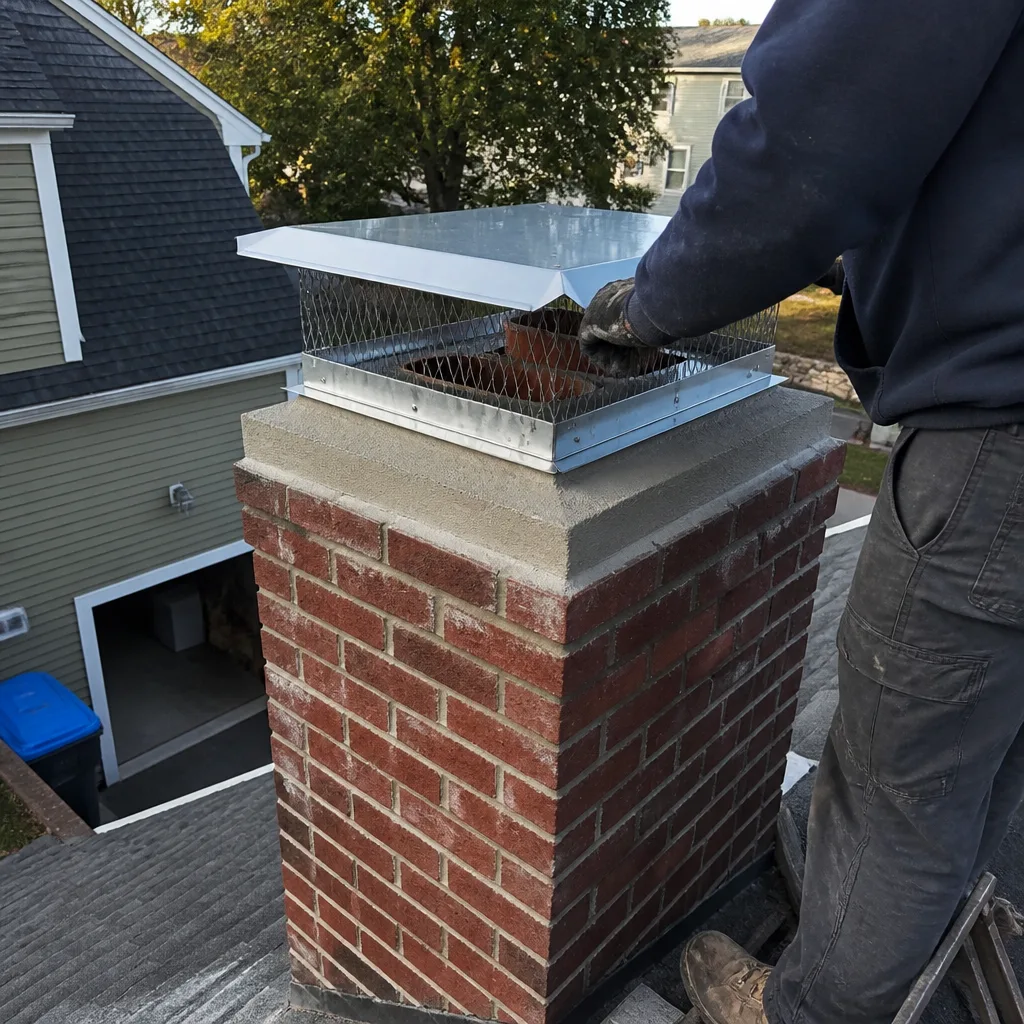 After
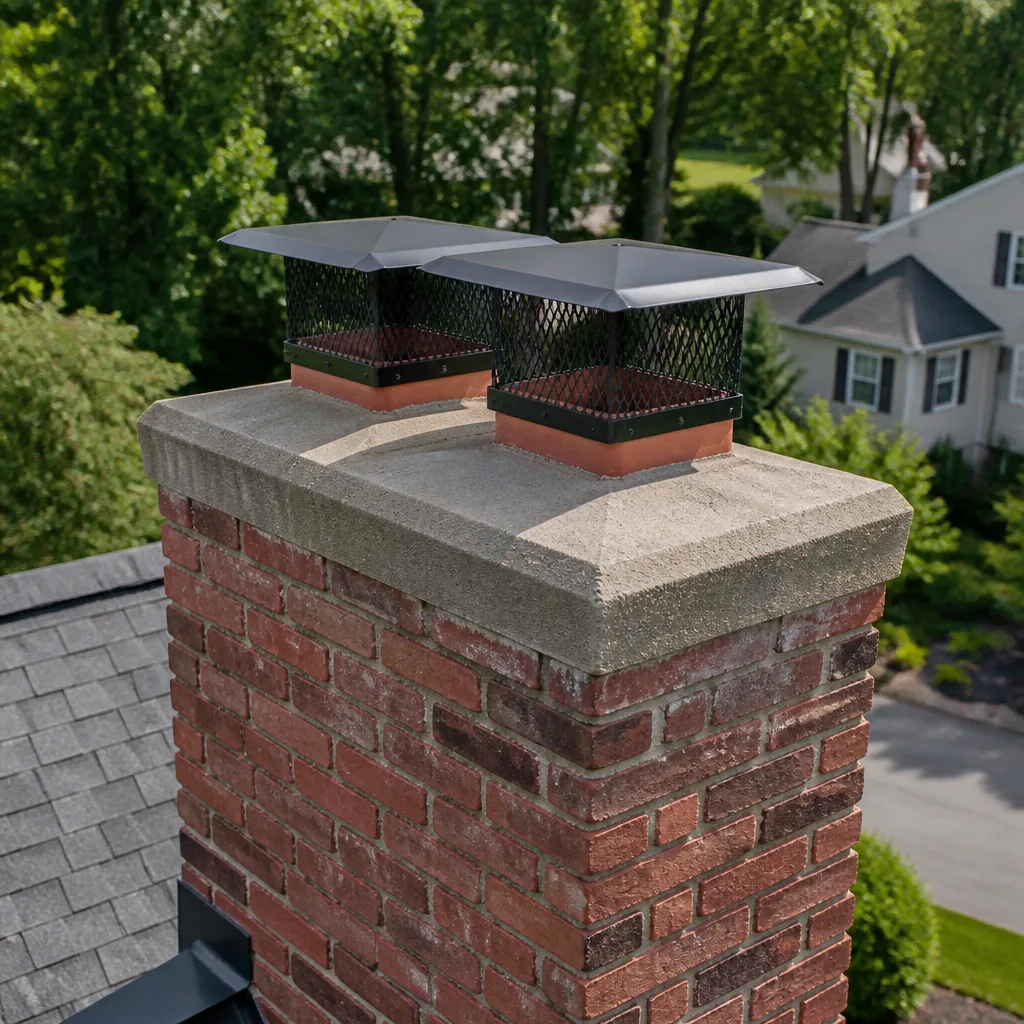
After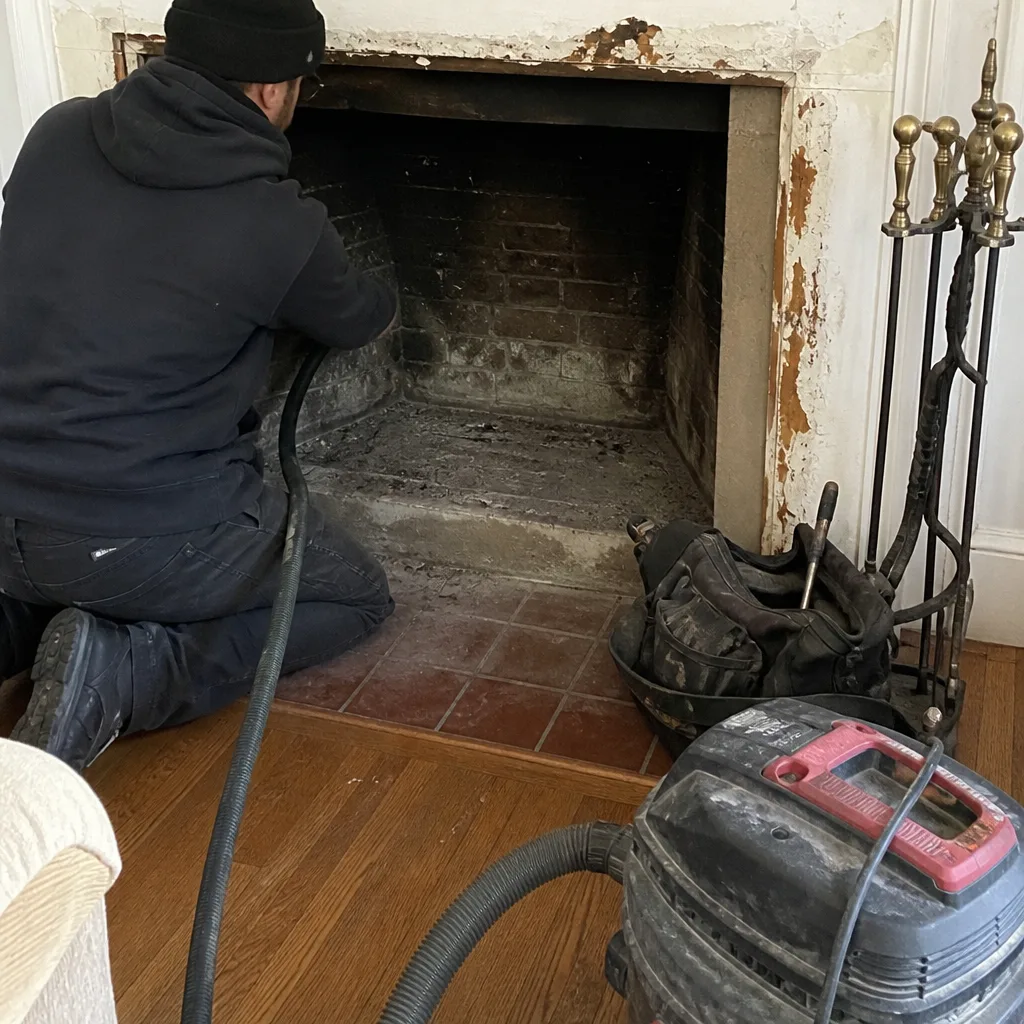 Before
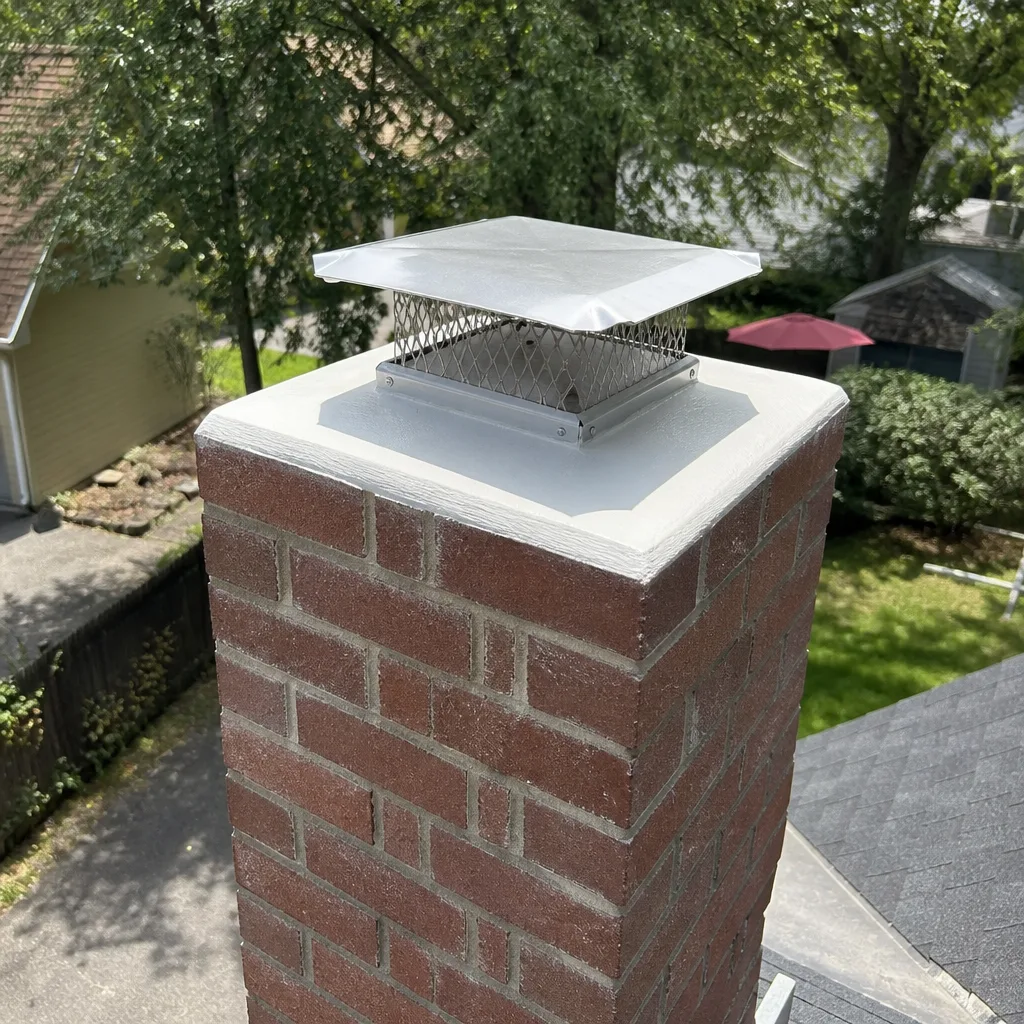 After
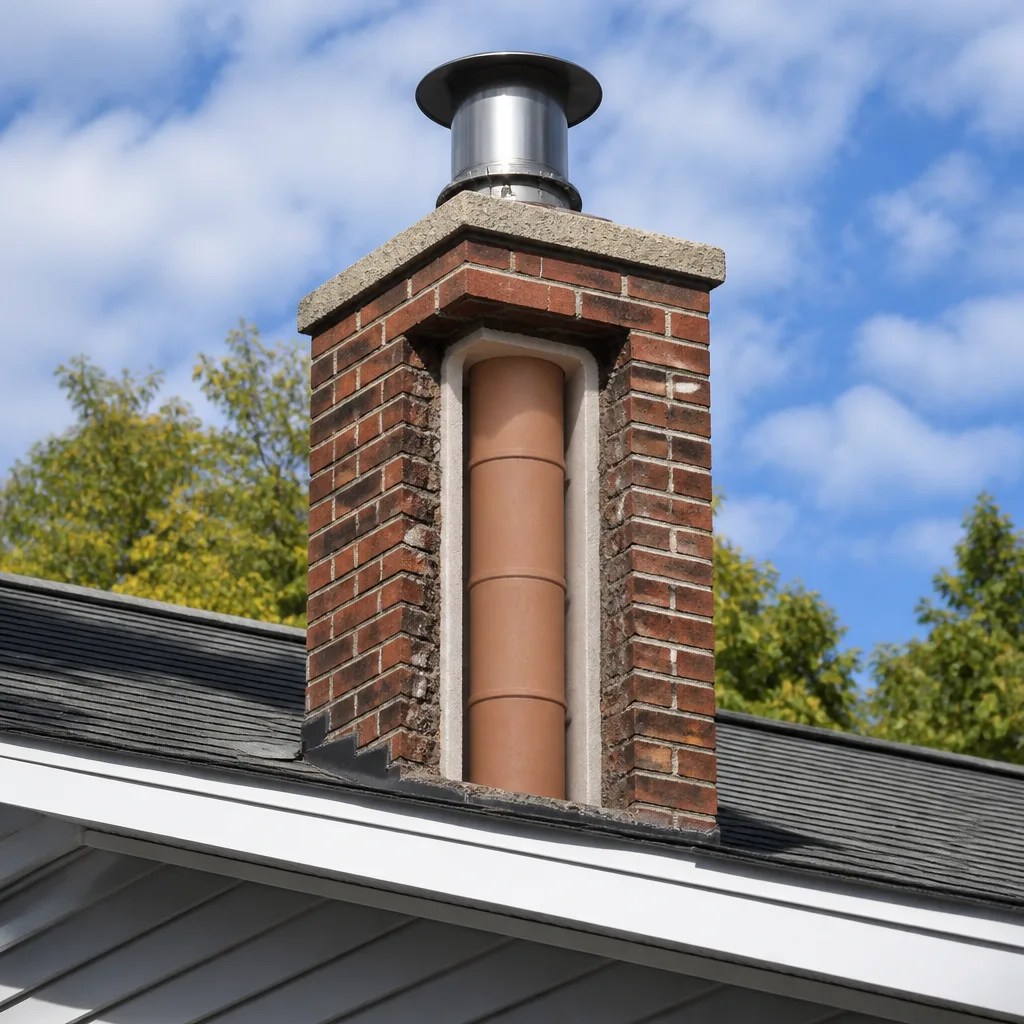
After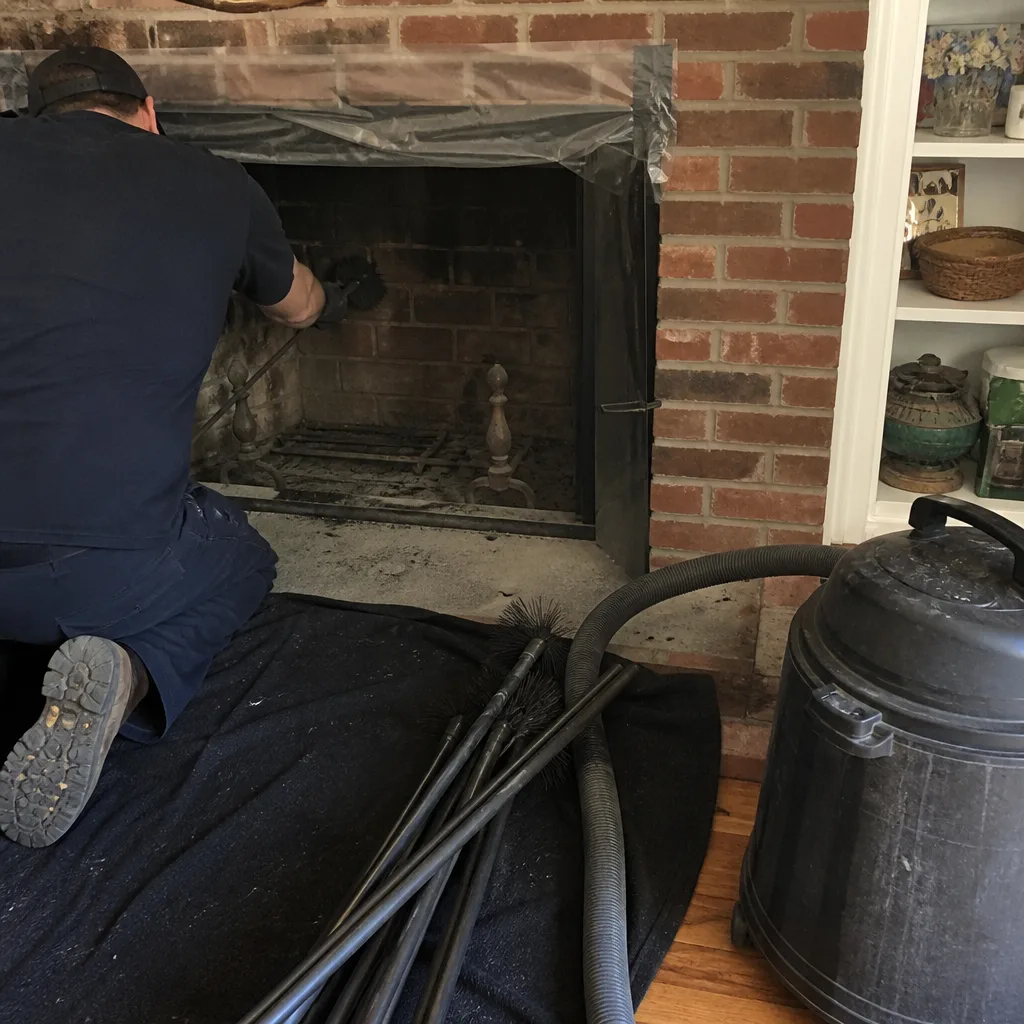 Before
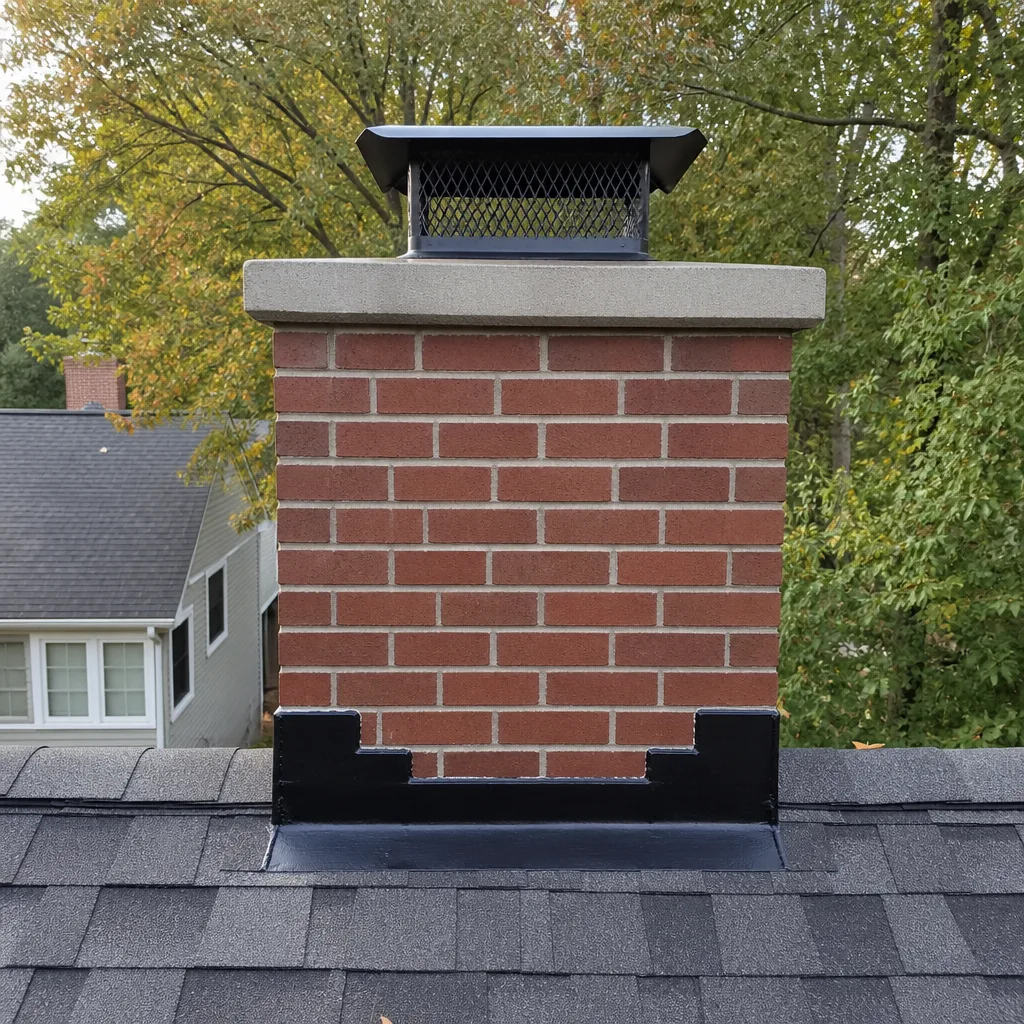 After
AfterChimney Cleaning & Sweep Maintenance Checklist for Quincy Homeowners
The standard chimney checklist you find online was written for a generic house in a generic climate. Quincy sits on the water and gets weather that’ll open up mortar joints faster than almost anywhere in eastern Massachusetts. That changes what you’re looking for. Our Chimney Cleaning & Sweep services and this guide are built around the specific ways Quincy homes fail: salt air eating at crowns, freeze-thaw cycles working on brick faces, and the particular creosote patterns that come from burning wood in a damp coastal season.
We’ve swept chimneys in Quincy since 1999. We know which neighborhoods have the oldest masonry, which flues tend to run cold, and what a neglected chimney looks like after one winter too close to the bay. This checklist is what we’d hand a neighbor who wants to know what to actually look at, month by month, without climbing a ladder they shouldn’t be on.
Quick Answer
A proper chimney maintenance routine for Quincy homeowners means sweeping the flue at least once a year regardless of how often you burn, checking the masonry and crown every spring and fall for freeze-thaw damage, and documenting what you see so you have a baseline when something changes. Most of what you can observe yourself takes ten minutes a season from the ground or an upstairs window. The work that requires a trained sweep involves the flue interior, the smoke chamber, and the crown, which you simply can’t see properly without getting on the roof.
Table of Contents
- A Month-by-Month Quincy Chimney Calendar
- What You Can Observe Yourself vs. What Requires a Sweep
- The Quincy Masonry Problem: Freeze-Thaw, Salt Air, and Old Brick
- What to Photograph and Document Each Season
- Maintenance Visit vs. Full Cleaning: What’s Actually Needed
- Signs a Previous Sweep Cut Corners (Observable from the Ground)
- Common Mistakes to Avoid
- When to Call a Professional
- Frequently Asked Questions
- The Bottom Line
A Month-by-Month Quincy Chimney Calendar
Chimney problems in Quincy follow a seasonal rhythm, and it’s not the one most homeowners expect. The damage usually isn’t done during burning season. It’s done in late winter and early spring, when daytime temperatures climb above freezing and nighttime drops back down. Water gets into hairline cracks, freezes, expands, and pries things apart. Here’s what the year actually looks like for a chimney on the South Shore.
October: Pre-Season Check
Before the first fire, walk around the house. Look at the chimney from the ground with a pair of binoculars if you have them. You’re checking for obvious brick spalling, a cracked crown, or a rain cap that’s tilted or missing. Inside, open the damper and look up with a flashlight. If you see shiny, tar-like buildup on the flue walls, that’s third-degree creosote, and it needs professional attention before you light anything. See our Chimney Cleaning Warning Signs: A Quincy Homeowner’s Reference Guide for more details. If you see a light dusty coating, that’s normal. Schedule a sweep now if you’re due. Quincy sweeps book solid from mid-October through December, and waiting means burning with an unknown flue.
November through March: Burning Season Awareness
During burning season, the things to watch are behavioral, not structural. Note how the fireplace draws. If smoke spills into the room when you open the door, that’s not a quirk. It’s a flue that’s not drafting properly, and it usually means either a blockage or a flue that’s running too cold, which is more common in Quincy homes near the water where exterior chimneys get chilled by damp coastal air. Keep the damper fully open when a fire is active. Close it only when the fire is completely out and the embers are cold. A closed damper with active coals pushes carbon monoxide into the house.
April: Post-Season Inspection
This is the most important month on the calendar. Once the burning season ends, do a full visual sweep of everything you can see from the ground. The freeze-thaw cycle has just finished its worst work. Look for fresh cracks in the brick face, new gaps in the mortar joints, and any sign that the crown has shifted. If you see white staining, that’s efflorescence, and it means water is moving through the masonry. Make a note of it and photograph it. If you do nothing else all year, do the April walkaround.
May through September: Repair Season
This is when masonry work gets done in Quincy. The weather cooperates, mortar cures properly, and you’re not racing the first freeze. If your April inspection turned up anything questionable, get it looked at during this window. Also, check the chimney cap and bird screen. Spring is nesting season, and a missing screen means you’ll have birds, squirrels, or raccoons taking up residence. We’ve pulled nests out of Quincy flues in every month of the year. A cap with intact screening prevents the problem before it starts. This is also the right time for a Chimney Cleaning & Sweep in Quincy if you didn’t get one in the fall. Off-season appointments are easier to get, and the flue is dry and accommodating.
What You Can Observe Yourself vs. What Requires a Sweep
Here’s the honest division of labor. You own the ground-level observations. A sweep owns the flue interior, the smoke chamber, and the roof-level work. The problem comes when homeowners either ignore the ground-level stuff because they think it’s the sweep’s job, or climb onto the roof themselves because they think it’s just a quick look. Both are mistakes.
What You Can Check from the Ground
- Brick condition: Spalling, flaking, or missing bricks are visible with binoculars. Watch for chunks of brick on the ground after storms.
- Mortar joints: Erosion shows up as recessed lines between bricks. In Quincy, wind-driven rain off the bay accelerates this on exposed sides.
- Crown cracks: Hairline cracks are normal after a decade. Gaps wider than a quarter inch mean water is getting in.
- Chimney cap: Is it there? Is it straight? Is the screen intact? You can see all three from the ground.
- Efflorescence: White staining on brick means moisture is moving through the masonry and leaving salt deposits behind.
- Interior flue staining: Shine a flashlight up from the firebox. A light dusty coat is fine. Shiny or tar-like buildup is not.
- Damper operation: It should open and close smoothly. A stiff damper will only get worse.
What Requires a Trained Sweep
- Flue interior walls: A proper look requires a camera or a scope. You can see the first three feet from the firebox. You can’t see the middle of the flue or the top bend.
- Smoke chamber: This is the hardest area to see and one of the most dangerous when it’s neglected. Creosote builds here at prodigious rates.
- Crown inspection at close range: The crown is the concrete cap on top of the chimney. From the ground you can spot obvious cracks. A sweep on the roof can tell you if those cracks are cosmetic or structural.
- Flue liner condition: If you have an older Quincy home, the flue may be unlined or have a clay tile liner that’s cracked. This requires a camera inspection. No exceptions.
- Chimney cap installation and sealing: If the cap is loose or the mounting is compromised, water gets in at the exact point where the cap meets the crown. You need someone on the roof to find it.
The rule we tell homeowners: you can spot problems from the ground, but you cannot clear them. The moment you believe you have accurate knowledge of your flue’s interior condition based on a flashlight and intuition, you’re guessing. And with chimney fires, guessing is expensive.
The Quincy Masonry Problem: Freeze-Thaw, Salt Air, and Old Brick
Quincy has some of the oldest housing stock in eastern Massachusetts. The neighborhoods near Wollaston, Quincy Point, and Merrymount have chimneys that date back generations. Those chimneys were built with lime mortar, which breathes differently than modern Portland cement mortar. Lime mortar flexes slightly. It allows moisture to escape. When someone repoints a pre-war Quincy chimney with hard modern mortar, the brick can spall, because the mortar is now harder than the brick and the freeze-thaw cycle pushes moisture outward into the brick face instead of out through the joints. We see it constantly.
Salt air is the quieter problem. Homes within a few blocks of Quincy Bay or the Neponset River get airborne salt. The salt settles on the brick and crown, and when rain or snowmelt carries it into micro-cracks, it crystallizes as the water evaporates. That crystallization expands and widens the cracks. It’s slow, but it compounds year after year. A chimney two blocks from the water in Houghs Neck ages faster than a chimney on the same block in West Quincy, even if both were built in the same year. That’s just the reality of the location.
What This Means for Your Checklist
- Check the crown twice a year, no matter what. In Quincy’s climate, the crown is where water intrusion almost always starts. It’s rarely the brick first. It’s the crown.
- Look for spalling brick specifically on the water-facing side. That’s the side catching wind-driven salt and rain. If it’s spalling, your other three sides are usually fine, which can mislead you into thinking the whole chimney is fine.
- If you have a brick exterior chimney, it will need tuck-pointing eventually. This isn’t a sign of failure. It’s a sign of living in New England. The question is catching it before the erosion goes deep enough to require rebuilding sections.
- Don’t paint brick chimneys in Quincy. Paint traps moisture inside the brick, and with freeze-thaw cycles, that accelerates spalling dramatically. If you bought a house with a painted chimney, have a sweep assess whether the paint is sealing in moisture and causing hidden deterioration.
There’s also a practical matter. Older Quincy chimneys were built without a flue liner, or with a clay tile liner that has since cracked. If you’re in a house built before World War II and you don’t know whether the flue is lined, that’s a question worth answering before the next burning season. A camera inspection answers it in twenty minutes.
What to Photograph and Document Each Season
Most homeowners don’t have a baseline. They call us because something looks wrong, but they can’t tell us what it looked like six months ago, because they never looked. A simple documentation habit changes that. Here’s what to photograph, when, and why.
Your Four-Season Documentation Routine
- Fall (October): Take three photos. One of the chimney from the front yard, one from the side that faces the water, one looking up from the firebox into the flue. These are your baseline for the burning season.
- Winter (January): After a hard freeze, take the same three photos. Compare them to October. If a crack appeared over two months, that’s fast-moving water intrusion, and it needs attention before spring.
- Spring (April): Photograph any new efflorescence, spalling, or crown cracks you found during the post-season inspection. This is also a good month to photograph the cap and screen.
- Summer (July): Take your repair-season photos if any work was done. Document mortar repairs, cap replacement, or liner work. These photos are your proof of maintenance if you ever sell the house.
What to Do with the Photos
Store them in a folder on your phone or computer called something obvious, like “Chimney [Year]”. When you call a sweep, you’ll be able to say exactly when you first noticed a crack, what it looked like, and whether it’s changed. That’s the kind of information that turns a $200 repair into a $200 repair instead of a $2,000 rebuild. In our experience, the homeowners who document their chimneys are the same homeowners who never get surprised by a big number from any contractor. They can point to the photo and say, “That crack was there in April and it’s doubled by now.”
Take photos before and after any professional work. If the sweep installs a cap or does masonry repair, photograph the finished result. If something fails later, you’ll know exactly what was done and when.
Maintenance Visit vs. Full Cleaning: What’s Actually Needed
There’s confusion about the difference between a chimney maintenance visit and a full cleaning. They’re not the same thing, and knowing which one you need saves money and prevents unnecessary work.
Full Cleaning (Sweeping)
A full cleaning means the flue is swept end to end. Brushes run the full length of the flue. The smoke chamber and firebox are cleaned. Creosote is removed. If you burn wood in your fireplace or stove, this is the service you need before burning season starts. The National Fire Protection Association says any chimney used regularly should be swept when creosote reaches 1/8 inch thick, and in practical terms for Quincy homeowners who burn wood recreationally, that means once a year. Burn or no burn. Chimneys break in the off-season too, and a creosote layer from last winter is still there in October, waiting for the first fire. See The Complete Guide to Chimney Cleaning in Quincy for more on why annual service matters.
A full cleaning is also a diagnostic visit. While the flue is being swept, the sweep checks the liner, the damper, the cap, and the crown. The sweep will tell you what needs attention and what can wait. At Top Hat Chimney, every full cleaning includes a camera inspection and a photo report, so you’re not taking anyone’s word for anything. Top Hat Chimney home goes into more detail on what a proper sweep entails.
Maintenance Visit
A maintenance visit is different. It’s a visual check without a full sweeping. Think of it as a checkup. We inspect the flue, the firebox, the damper, the cap, and the crown. We sweep only if the creosote level or debris requires it. A maintenance visit is appropriate if you just had the chimney swept six months ago and want a mid-season check, or if you’re buying a house and want an independent assessment of the chimney, or if your fireplace is decorative and never used but you want to know the flue isn’t full of bird nests.
For most Quincy homeowners who burn wood, the answer each fall is: full cleaning. Not because we’re trying to sell more. Because a flue that was used all last winter has creosote in it, and the only way to know how much is to look, which means a sweep. The camera footage and a plain-English verdict come with it. Every time, no exceptions.
Signs a Previous Sweep Cut Corners (Observable from the Ground)
Not every chimney sweep does the job they claim. We know because we’re the ones called in after a homeowner has a bad experience. There are signs you can look for from the ground or the firebox that indicate a previous sweep took shortcuts. None of these require a ladder.
- Creosote flakes visible from the firebox immediately after a sweep. A proper sweep leaves the flue clean. If you’re seeing large black flakes fall into the firebox a week after someone said the chimney was swept, the upper flue wasn’t reached or the job was rushed.
- No drop cloth or floor protection marks. A proper sweep uses a drop cloth and a vacuum. If there’s no sign anyone was in the firebox at all, no disturbance of ash, no cleaning of the smoke shelf, the work was likely superficial.
- No cap or screen check performed. A sweep who never goes on the roof doesn’t check the cap, crown, or top of the flue. Ask your sweep whether they inspected the crown up close. If they can’t answer specifically, they didn’t.
- No camera footage or photo report. Modern chimney cleaning in Quincy should include a camera inspection. If you weren’t offered photos of the flue interior, you’re working with a service that’s cutting corners. You should never be asked to take someone’s word that a flue is clean when camera footage would settle it. The camera footage and a plain-English verdict should be standard.
- Same sweeping time regardless of flue condition. If the sweep spends twelve minutes on your chimney no matter what it looked like going in, they’re running a route, not doing a thorough job. A heavily soiled flue takes longer. That’s reality.
- No written record. A credible sweep leaves you with a written report of what was done and what was seen. If you got a verbal “looks good” and a handshake, that’s a red flag, especially in a Quincy house where age and weather are working against the masonry.
The best defense against a bad sweep is to ask questions before the work. Ask whether they’ll go on the roof. Ask whether they use a camera. Ask what exactly their price includes. If the answers are vague, call someone else. Ask anyone on your street. They’ll tell you who’s been here awhile and who hasn’t. For a full breakdown of what to expect from a proper sweep in this area, see our Chimney Cleaning & Sweep in Quincy page.
Common Mistakes to Avoid
- Burning unseasoned wood to save money. Damp wood creates low-temperature fires, and low-temperature fires create more creosote. Burn wood that’s been split and stacked for at least six months. A cheap cord of wet wood ends up costing you a sweep you wouldn’t have needed otherwise.
- Ignoring the chimney until the smell arrives. If you can smell creosote in the room, particularly on humid Quincy summer days, you’re breathing the stuff, and it’s already built up significantly. The smell is a late warning, not an early one.
- Assuming a decorative fireplace doesn’t need checking. Even if you never burn, the flue can collect debris, host birds, or allow rain in through a failed cap. Once a year, burn or no burn.
- Painting brick chimneys to “protect” them. In Quincy’s climate, paint traps moisture inside masonry, and the freeze-thaw cycle will spall the brick face underneath. Never paint a brick chimney without a specific recommendation from a trained mason.
- Using the fireplace as an all-night heat source. Overnight smoldering fires create maximum creosote and minimum heat. Burn hot, burn for a few hours, let it go out. Your flue doesn’t care how the fire looks. It cares how it breathes.
- Waiting until November to book a sweep. Every Quincy sweep is booked solid by late October. Scheduling in August or September gets you the appointment you want, and the flue is dry and comfortable to work on.
- Not verifying a sweep’s standing before inviting them in. Ask for a name, a license number, and a physical address. A real local operator like Top Hat Chimney has all three, published openly. A national chain that rotated in last spring may not even have a truck in the county.
When to Call a Professional
You need a professional when you see third-degree creosote (shiny, tar-like buildup in the flue), when masonry cracks are widening or spalling brick is accelerating, when the crown shows visible gaps or missing sections, when water is getting into the firebox after rain, or when you smell creosote inside the house on humid days. You also need one when you simply can’t see inside the flue, which is everyone without a chimney camera. Don’t climb onto a Quincy roof in winter. It’s not worth a fall, and the useful work happens inside the flue where only a trained sweep with proper tools can reach. Top Hat Chimney offers free estimates in Quincy. Call (781) 277-4630 and you’ll get a real person, a straight answer, and a price before anyone picks up a tool.
Frequently Asked Questions
Once a year, before burning season, regardless of how often you use the fireplace. Quincy’s coastal dampness means chimneys sit in humid air for months, which interacts with any existing creosote. Annual sweeping is the baseline, not the maximum. If you burn more than three cords a season, you may need a mid-season sweep as well. Call (781) 277-4630 and Wendell can tell you after one conversation what your specific burning habits require.
A standard chimney sweep in the Quincy area typically runs between $180 and $340 depending on the flue’s condition, the chimney’s height, and whether a camera inspection is included. Companies that advertise lower prices often add fees at the door. At Top Hat Chimney, the price you hear on the phone is the number on the invoice, no surprises. Call (781) 277-4630 for an exact quote, free of charge.
Maybe not. Some companies push liner replacement on every visit, but the honest answer depends on what the camera shows. If your existing liner is intact and properly sized, you don’t need a new one. If it’s cracked, missing sections, or unlined, then yes, you do. Wendell’s approach with Top Hat Chimney is simple: the camera footage and a plain-English verdict, every time, no exceptions. Nothing is recommended without evidence you can see for yourself.
The creosote layer from last season remains and builds on the next season’s deposits. A thicker layer means a higher chimney fire risk and a more difficult cleaning when you finally get to it. Skipping a year also means any structural damage that developed over the previous twelve months goes unnoticed for another year. In a Quincy freeze-thaw climate, that extra year is often the difference between a repointing job and a rebuild.
You can, but you shouldn’t if you value your roof and your spine. The actual brushing is simple. Getting onto a Quincy roof with the right equipment, managing a stiff brush inside a forty-foot flue, and safely containing the creosote is not. Professional sweeps exist for the same reason roofers and electricians exist. The risk isn’t worth the $200 saved, and a fall from a roof costs more than any chimney repair. If you’re determined to DIY it, at least have a professional inspect the flue first with a camera so you know what you’re dealing with.
A sweep is the physical removal of creosote and debris from the flue. An inspection is a visual assessment of the chimney’s condition, often with a camera. A proper sweep includes an inspection as part of the service. At Top Hat Chimney, every cleaning includes camera footage and a photo report, so you’re getting both at once. If a company prices an “inspection” as a separate upsell on top of a sweep, ask what exactly the sweep covers if not the inspection.
The Bottom Line
The chimney maintenance routine that actually works in Quincy is built around observation, documentation, and professional sweeps at the right time. You own the ground-level walkaround: check the brick, mortar, crown, and cap every spring and fall. You photograph what you see and keep a record. You call a sweep once a year for the flue interior, because that’s the part you can’t see and can’t safely clean yourself. And you catch masonry problems in their earliest stages, when they’re a few hundred dollars instead of a few thousand. Top Hat Chimney has been doing this work in Quincy since 1999, and Wendell is still the one who answers the phone. Call (781) 277-4630 for a free estimate, or explore our Chimney Repair in Quincy and Fireplace Services in Quincy pages for more on what we do.
Written by Wendell Pike, Owner at Top Hat Chimney, serving Quincy since 1999. Explore more guides & resources on our blog.