
Last updated September 10, 2026
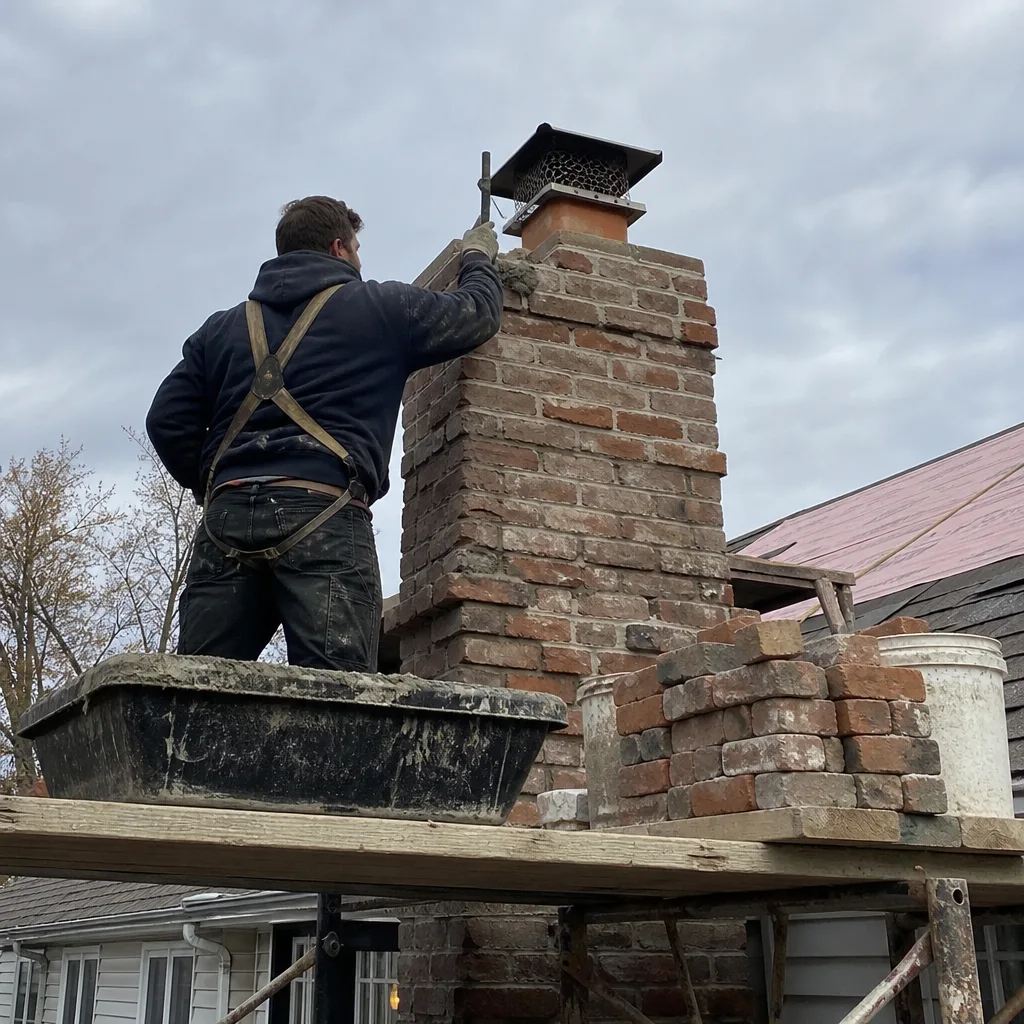
Level 1 sweep and inspection to the NFPA 211 annual standard - flue, crown, cap, and flashing checked and photographed
Chimney sweep logs do not sweep chimneys. They loosen some creosote - which then falls where a brush and vacuum still have to collect it.
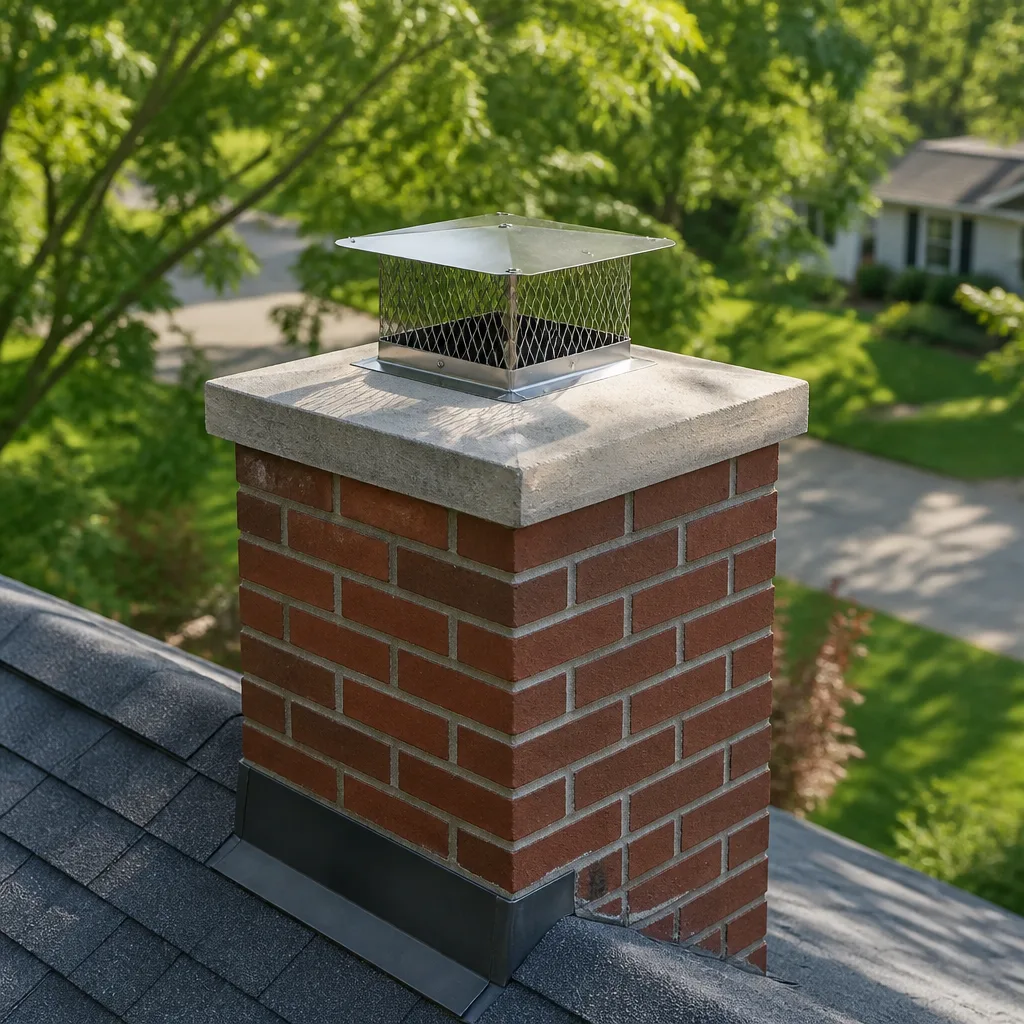
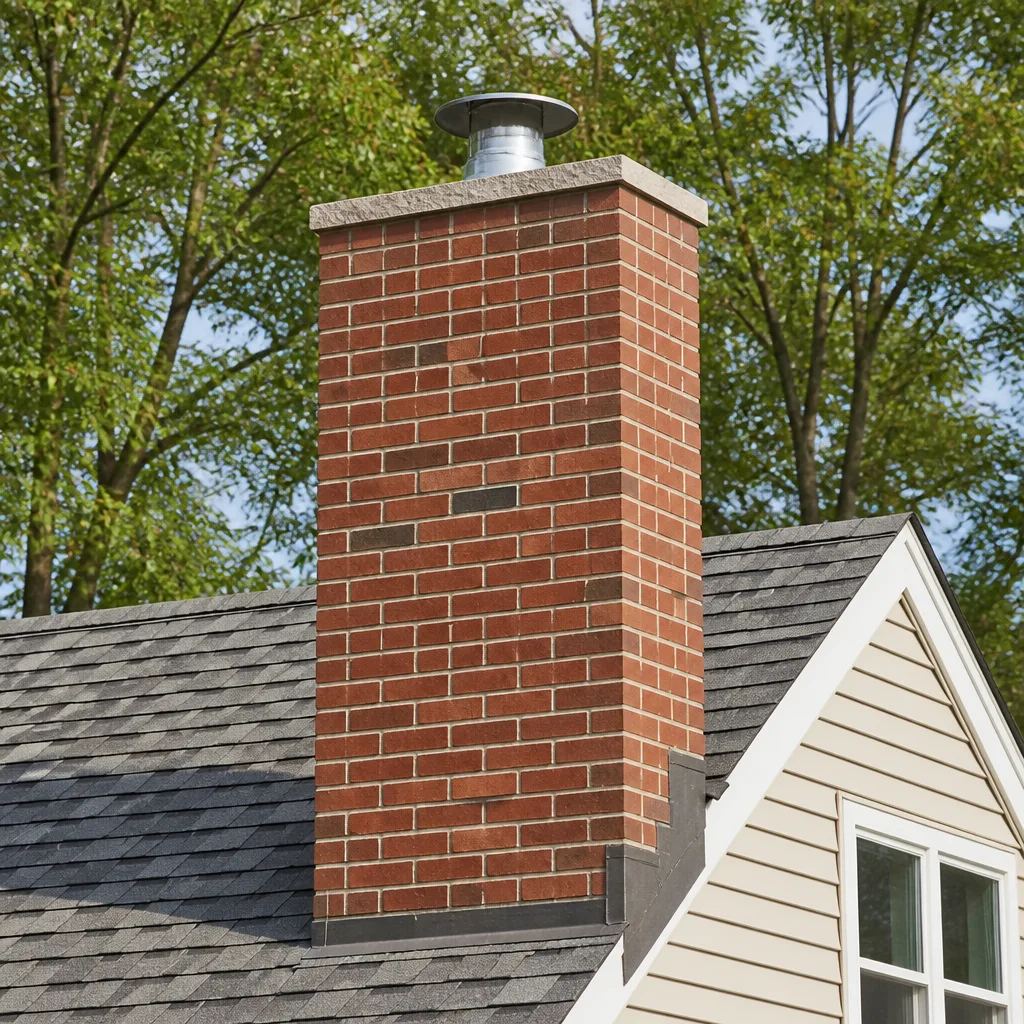
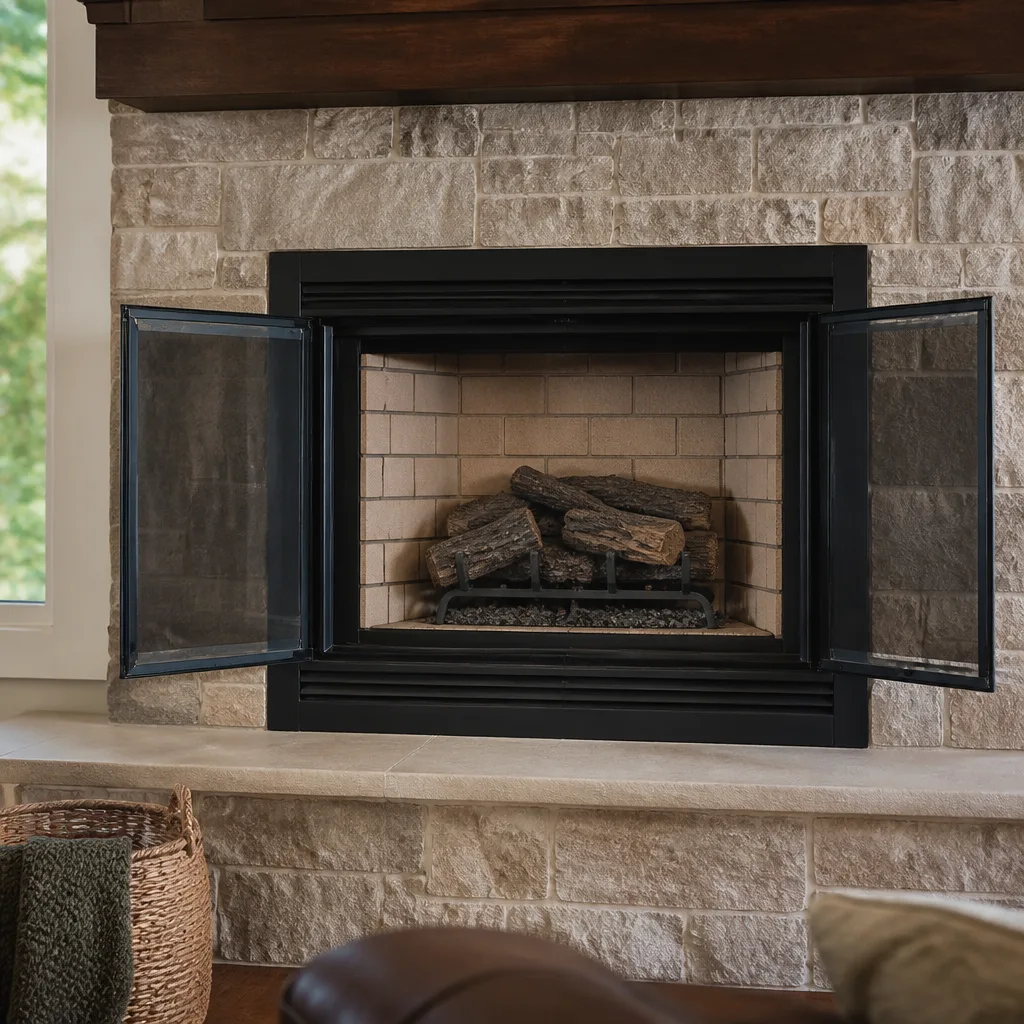
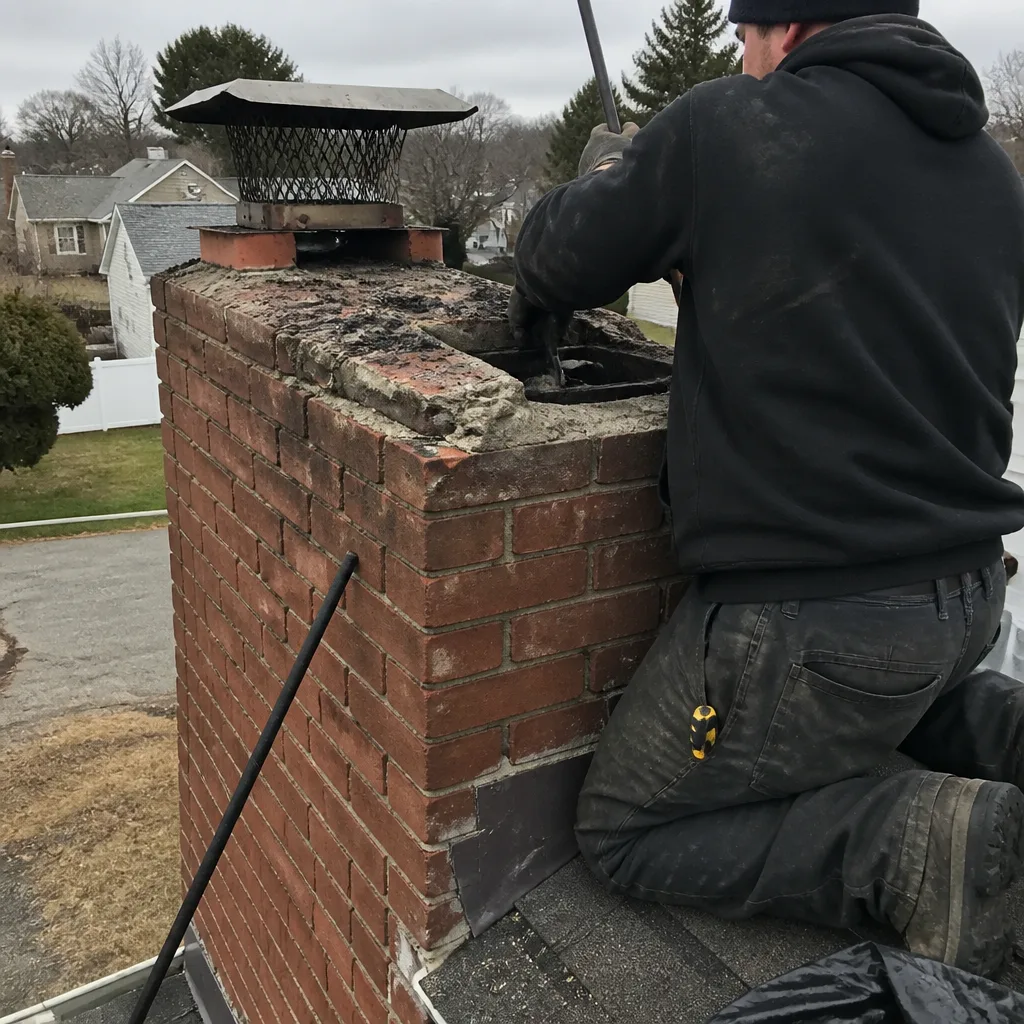 Before
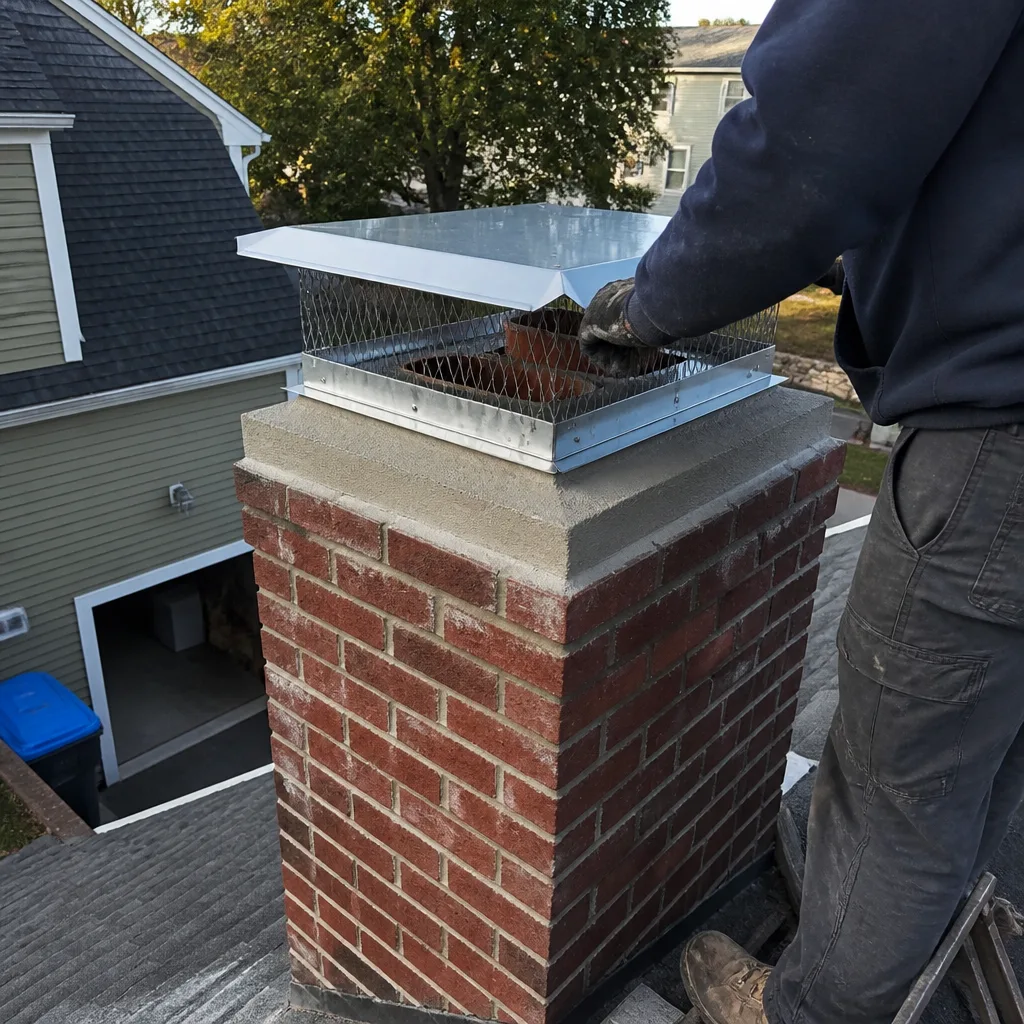 After
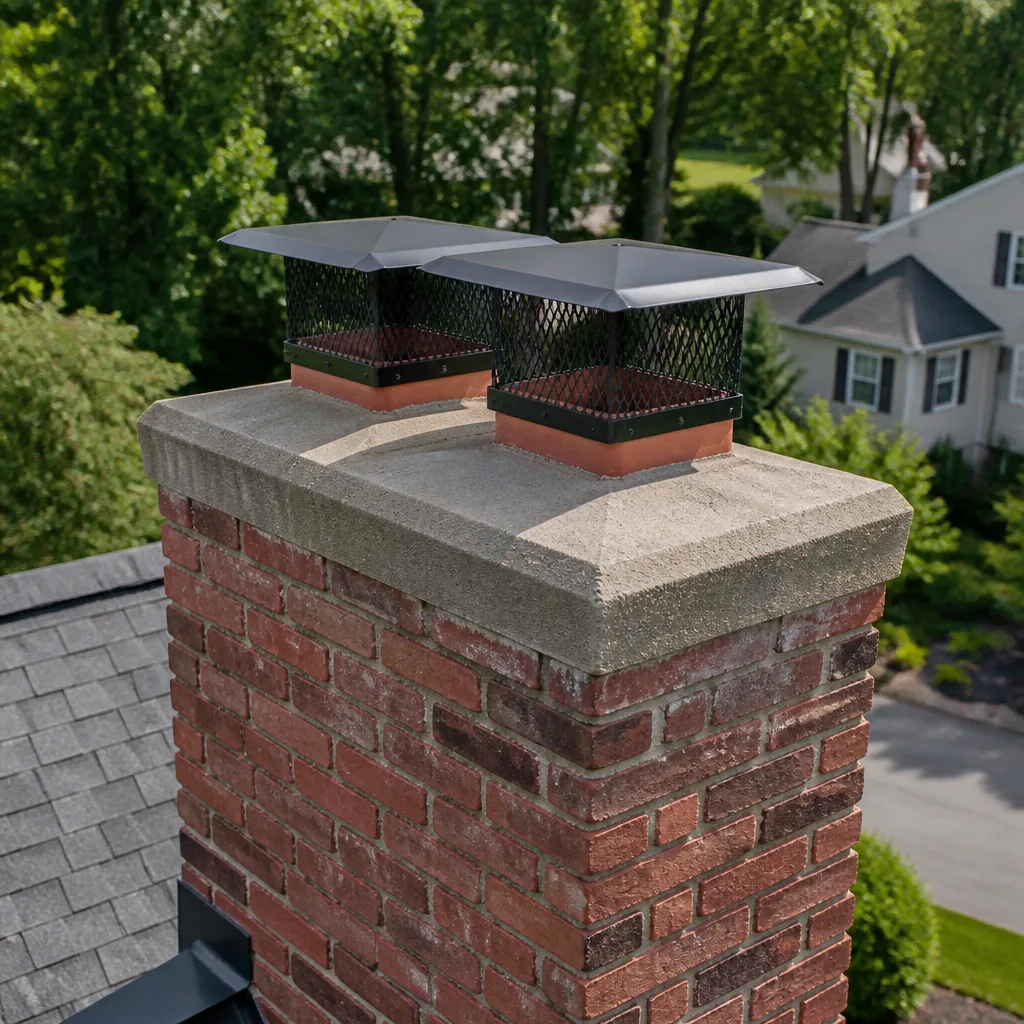
After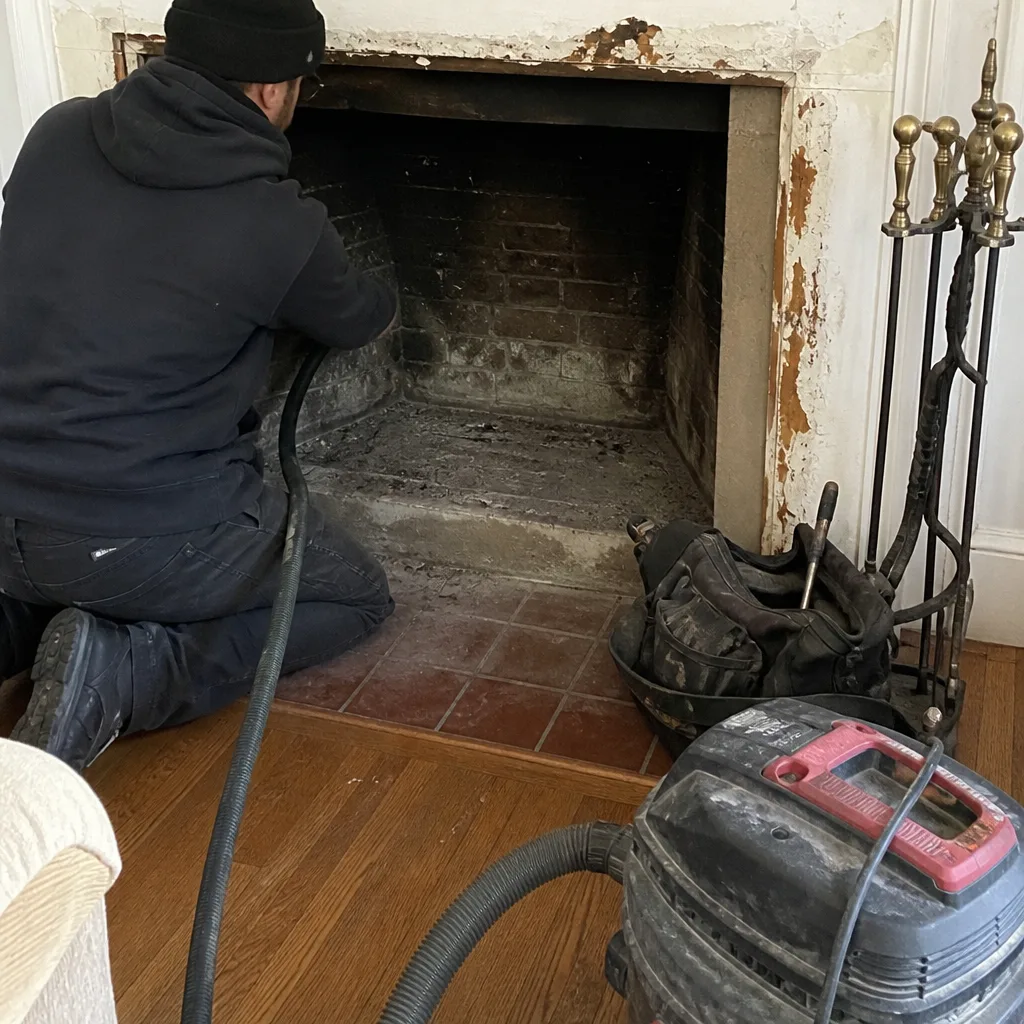 Before
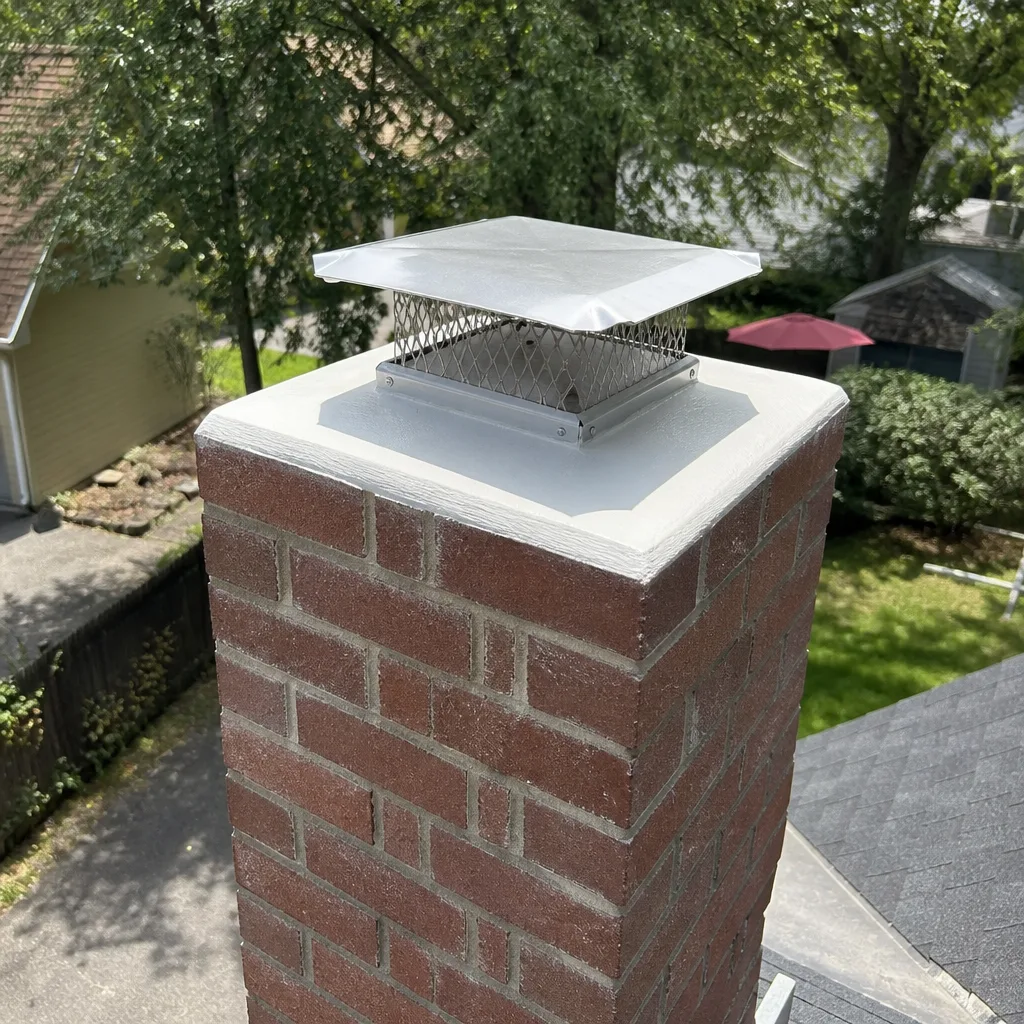 After
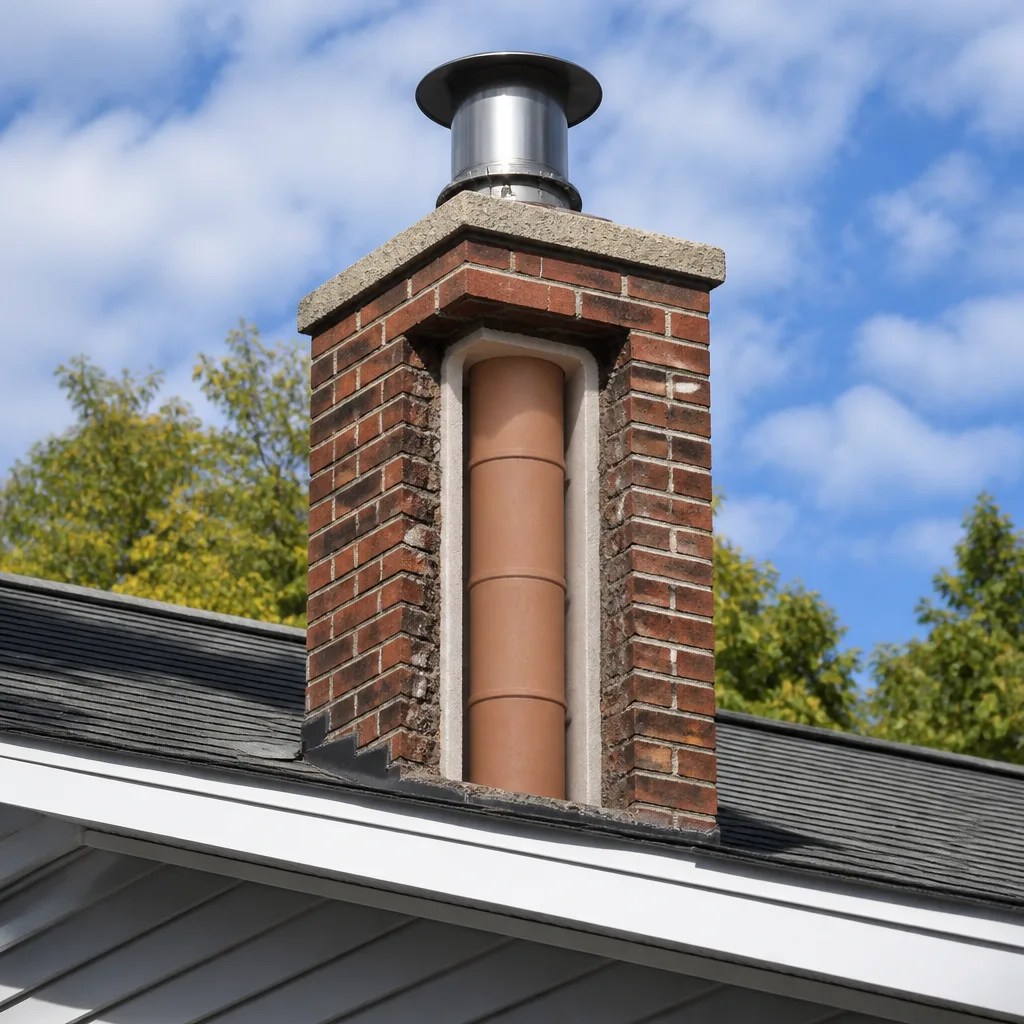
After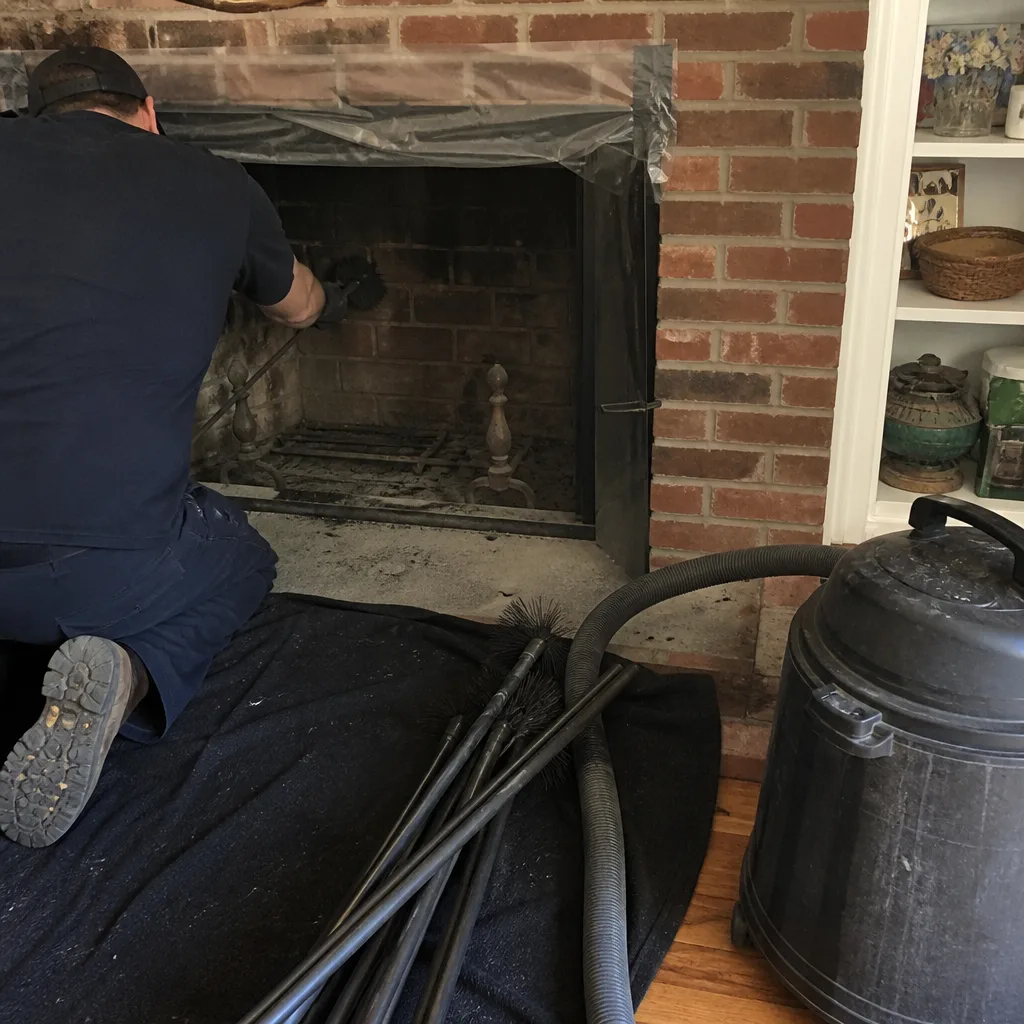 Before
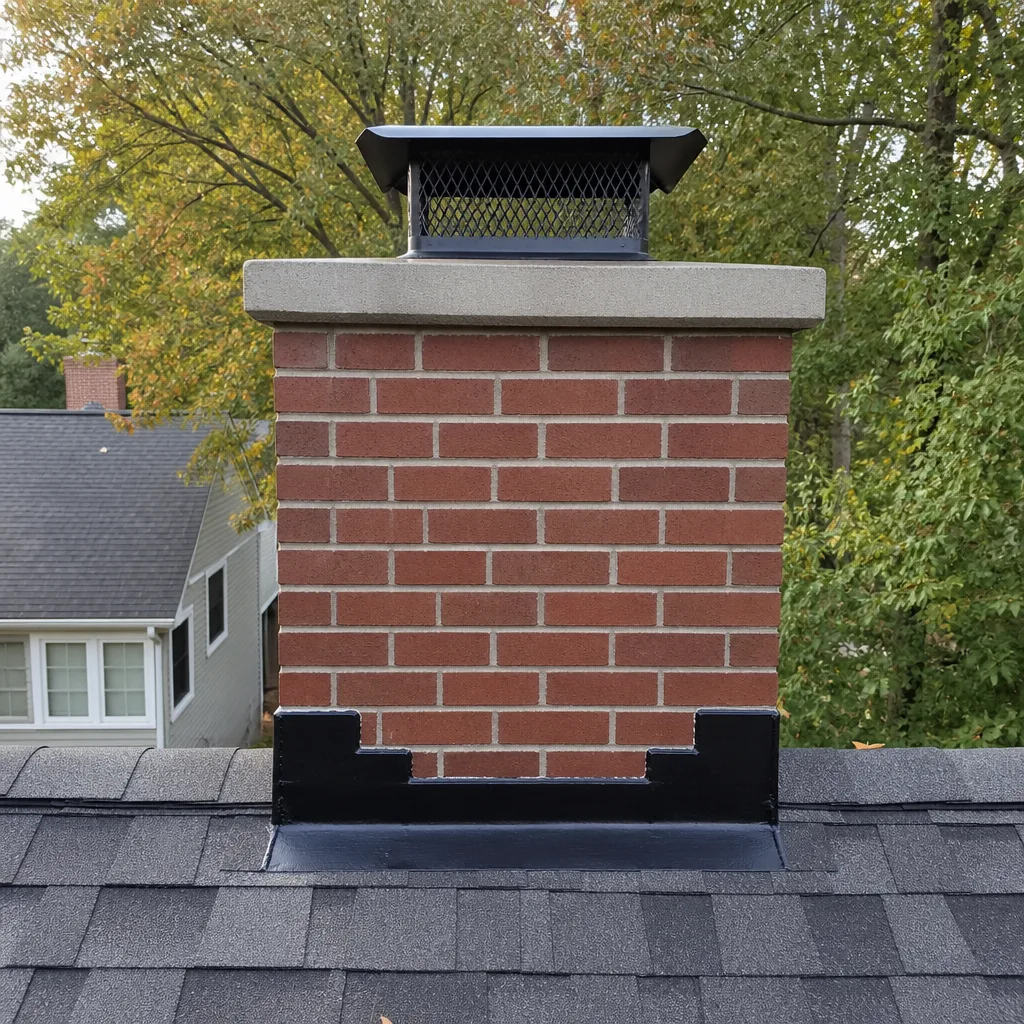 After
AfterChimney Cleaning Warning Signs: A Quincy Homeowner’s Reference Guide
The chimney fire you hear about is the dramatic one. The one you don’t hear about is the slow creosote buildup that no fire alarm catches, the liner crack that shows up three years after the original damage, or the animal nesting that started as a faint scratching sound last March. Most chimney problems in Quincy don’t announce themselves with smoke and flames. They whisper for years. This guide covers the quiet warning signs we look for when we inspect chimneys across the South Shore: the smells, the stains, the small visual cues on brick and mortar that tell you something is off long before it becomes an emergency. By the time you finish reading, you’ll know what to check from your own backyard, what to sniff for inside your living room, and which signs mean pick up the phone today versus which ones can wait until spring.
Quick Answer
Chimney warning signs in Quincy MA come in four forms: smell, staining, sound, and surface damage. The most common early indicators are a persistent campfire or asphalt odor in the room (creosote buildup), white mineral staining on exterior brick (moisture intrusion), rust on the damper or firebox, and mortar joints that flake when you run your thumb across them. Any of these, caught early, is a sweep and inspection; ignored, several of them point toward liner or masonry work.
Table of Contents
- Smell-Based Warning Signs and What They Tell You
- Visual Cues Outside Your Quincy Home: What to Check Without a Ladder
- White Staining (Efflorescence): What It Is and Why It Is Not Cosmetic
- Post-Chimney-Fire Signs: What a Homeowner Misses After the Alarm Stops
- Urgent vs. It Can Wait: An Honest Triage List
- Quincy’s Climate and Your Chimney: What to Expect Season by Season
- Common Mistakes to Avoid
- When to Call a Professional
- Frequently Asked Questions
- The Bottom Line
Smell-Based Warning Signs and What They Tell You
Your nose is the earliest and most honest chimney diagnostic tool you own. Long before a visual problem shows up, the chemistry of what is happening inside your flue produces a smell. The trick is knowing which smell goes with which problem. Most Quincy homeowners describe all of them as “musty” or “smoky,” and that vagueness is why problems get missed for years.
Campfire or asphalt smell, fire or no fire. This is creosote. Specifically, it’s creosote that has built up to a thickness where it off-gasses even when the fireplace is cold. You’ll notice it most on humid days, because creosote absorbs moisture and releases odor as it does. In Quincy’s summer humidity, it’s common for us to get calls in August from homeowners who haven’t lit a fire since April but can smell last winter’s fires in the living room. That’s a brush job waiting to happen. Left alone, that creosote hardens. First-degree creosote is a brush job. Third-degree is a glaze, and glaze does not brush out; it has to be chemically treated or mechanically removed.
Damp, sour, or “old basement” smell from the fireplace opening. That’s moisture. It usually means water is getting into the flue, often through a cracked crown, a missing or damaged cap, or deteriorated flashing. Here’s the problem: that moisture is mixing with creosote inside the flue, and the mixture is acidic. Over time it eats at the mortar joints from the inside, and you never see it happening. When we run a camera up a flue that smells sour, we almost always find spalling, which is the word for brick faces popping off from moisture damage.
Dead animal smell, or a rotting-organic smell with no obvious source. That’s animal intrusion, and it’s more common in Quincy than people expect. Squirrels, raccoons, and chimney swifts all see an uncapped flue as a ready-made nesting cavity. The smell is bad. The bigger issue is the nest itself blocking airflow, which becomes a backdraft risk the moment you light a fire. Backdraft is when the chimney pushes smoke and carbon monoxide back into the house instead of drawing it up and out. We have pulled fully intact squirrel nests out of Quincy chimneys in late fall, right before burning season.
Exhaust or chemical smell when the fireplace is in use. This is backdraft, and it deserves attention. If you smell a tinge of exhaust while burning, your flue is not drawing properly. Causes are many: a cold flue, a blocked flue, negative air pressure from a running kitchen exhaust fan, or simply a chimney that was built too short for the roof line. Your flue doesn’t care how the fire looks. It cares how it breathes. If it can’t breathe, it breathes into your house. This is a call-today signal.
Visual Cues Outside Your Quincy Home: What to Check Without a Ladder
You don’t need to get on the roof to read a chimney’s health. Standing in the yard, on the sidewalk, or at your property line with a pair of binoculars will tell you more than most people realize. Here’s what we look for when we pull up to a Quincy home before we even open the truck door.
- Efflorescence (white chalky staining). Covered in depth in the next section. If you see it, moisture is cycling through the masonry.
- Dark stains running down from the crown or cap. That’s water carrying creosote or soot out of the chimney. It means the roof of the chimney is not doing its job.
- Rusted chimney cap or spark arrestor. A cap that is rusting through is not long for this world, and a chimney in Quincy without a cap is open to rain, snow, animals, and leaves.
- Spalled bricks on the upper courses. If brick faces are flaking off or you can see the soft inner core of brick, freeze-thaw cycling has gotten into the masonry. Quincy winters freeze and thaw repeatedly, and water inside brick expands when it freezes. The brick loses.
- Mortar joints that look recessed or cracked. Run your thumb across a mortar joint at eye level, the lower courses. If the joint is crumbling, the upper joints are in worse shape because they take more weather.
- White or dark streaks below the roofline. This is water following the flue down. It may be a flashing problem, not a masonry problem, but either way the water is inside the chase.
- Tile floating or leaning at the top. If you can see the clay flue liner protruding and it looks tilted, the liner has cracked and the upper sections are no longer supported. That is a rebuild, not a repair.
None of this requires you to climb. A pair of drugstore binoculars and five minutes in the driveway two or three times a year will catch most of what we catch from the ground. The neighborhoods with older housing stock, from Quincy Point to Wollaston, give up these signs readily because the chimneys have been through 60 to 100 New England winters.
White Staining (Efflorescence): What It Is and Why It Is Not Cosmetic
Efflorescence is the white, chalky, sometimes powdery staining you see on brick chimneys across the South Shore. It’s not mold, not lichen, not paint failure. It’s mineral salt.
Here’s how it works. Water gets into the masonry, whether through the crown, the face of the brick, or the mortar joints. That water dissolves salts that naturally occur inside mortar and brick. When the water migrates to the surface and evaporates, it leaves the salt behind. The white stain is the residue. One round of it, you can brush off. Recurring efflorescence means water is actively moving through your chimney on a regular basis.
Why does this matter beyond appearance? Because the same water that’s carrying salt to the surface is also expanding and contracting inside your brick every time Quincy goes through a freeze-thaw cycle. One winter of trapped moisture will do more damage than ten summers. Efflorescence is the canary. The actual damage happens inside the wall, and by the time bricks start spalling and mortar joints start failing, you’re no longer looking at a preventative sweep, you’re looking at repointing, crown repair, or partial rebuilding.
What to do: photograph the staining, note whether it grows or changes after rain, and have it looked at. In many cases the fix is straightforward: a new crown coat, or a rebuilt crown, or a set of flashing corrections, depending on where the water is getting in. The fix is far cheaper than a rebuild. The trick is catching it while it’s still white powder instead of loose brick.
Post-Chimney-Fire Signs: What a Homeowner Misses After the Alarm Stops
The dirty secret about chimney fires is that most of them are never reported, and many of them happen without the homeowner ever knowing. The fire starts, burns quickly and quietly inside the flue, and extinguishes itself when it runs out of fuel. No one calls the fire department. No one files anything. And then everyone goes back to burning as if nothing happened.
But a chimney fire, even a small one, changes the chimney permanently. Here are the signs we see inside the firebox and flue that tell us one has happened.
- Puffy or honeycombed creosote. Normal creosote is smooth, flaky, or tar-like. After it has been through a chimney fire, it expands into a puffy, sponge-like texture that looks like burnt marshmallow. If you see this inside your firebox or up the flue throat, a fire has occurred.
- Warped metal in the damper. Dampers are cast iron or steel. They don’t warp under normal use. If your damper looks wavy, bowed, or no longer seals, the heat inside the firebox during a chimney fire exceeded what the metal was rated for.
- Cracked flue tiles visible from inside. If you can shine a flashlight up and see vertical cracks, horizontal fractures, or missing tile pieces, the flue has thermally shocked. A tile that is cracked is no longer containing the fire. This is a liner repair or replacement situation.
- Discolored or slumped mortar inside the firebox. Mortar that looks glazed, glassy, or has melted and re-set is a sign of temperatures that should not have occurred indoors.
- Debris in the firebox that’s not ash. Small pieces of flue tile, bits of mortar, or fragments of creosote that break off like charcoal. After a chimney fire, it’s not uncommon to find this material settling into the firebox over the following weeks or months.
- A sudden drop in draft performance. If the fireplace used to draw fine and now it smokes back into the room, that’s structural change. A cracked liner changes the air path. It is not a flue that needs to “warm up longer.”
If any of these signs are present, the chimney should not be used again until it’s inspected. A structural liner problem is not an aesthetic issue. The liner is the only thing between the fire and the wood framing of your house. In our experience, many Quincy homes with post-fire damage go unremedied for years because nobody looked closely enough. The camera footage and a plain-English verdict, every time, no exceptions – that’s the standard you want.
Urgent vs. It Can Wait: An Honest Triage List
Every warning sign sits somewhere on a spectrum. Some need attention within the week. Others can wait until the next off-season. Here’s our straightforward triage, based on what we tell homeowners in Quincy every season.
Call today. Do not burn again until it’s looked at.
- Exhaust or chemical smell while the fireplace is in use. That’s backdraft. Carbon monoxide is invisible, and it does not care whether you noticed.
- Any sign of post-chimney-fire damage: puffy creosote, cracked tile, warped damper. The next fire may not stay contained.
- Sudden, unexplained smoke entering the room on a normal burn. That’s an airflow obstruction or a flue failure.
- Dead animal smell combined with a visible nest or debris blockage. You’re one ignited nest away from a fully involved chimney fire.
Schedule a sweep within the season, but you can likely hold off on burning until it’s done.
- Persistent campfire odor from the fireplace, no fire lit. Creosote buildup. Brush work is quick and inexpensive relative to what it prevents.
- Efflorescence that is new or spreading. Moisture is active. A few months of Quincy rain and freeze-thaw will compound it.
- Damper that is sticky, rusted, or no longer closes fully. Not a fire emergency, but it’s costing you heat and inviting animals.
Keep on your radar for the next annual sweep.
- Subtle exterior staining that doesn’t change season to season and doesn’t appear to be spreading.
- Minor mortar flaking at a single joint. Worth a mention when the sweep is out anyway.
- A fireplace that smells faintly “earthy” only right after heavy rain. Could be early flashing wear. Watch it.
The point of this list is honesty. Not every visible imperfection is an emergency. We’d rather tell a Quincy homeowner to wait than to sell them work they don’t need. That’s how you earn a neighbor’s trust in a town where you will run into each other at the hardware store on Saturday.
Quincy’s Climate and Your Chimney: What to Expect Season by Season
Quincy sits on the coast, and coastal New England weather does specific things to chimneys that the inland towns don’t deal with. Salt air. Nor’easters. Rapid temperature swings. A homeowner in Worcester has a different chimney reality than a homeowner in Quincy Point. Here’s the seasonal pattern we watch.
Fall (September to November). Burning season begins. This is when we do most of our annual chimney cleaning and sweeping in Quincy. If you haven’t had the flue looked at since the previous spring, fall is when hidden summer damage shows up: the cracked crown that let rain in, the nest that got built in July, the flashing that loosened in a September windstorm. Once a year, burn or no burn. Chimneys break in the off-season too.
Winter (December to February). Freeze-thaw is the enemy. Water trapped in brick expands when it freezes, and coastal winters bounce around the freezing mark constantly. This is when efflorescence becomes actively damaging, when existing small cracks get bigger, and when snow loading and ice damming put pressure on flashing. Winter is also when most chimney fires occur, simply because that’s when people are burning heavily. If you’re noticing the campfire smell during January and February, that’s the creosote load accumulating with every fire.
Spring (March to May). The thaw reveals the winter’s damage. We get calls in April from homeowners who noticed a new water stain on the ceiling near the chimney, a fresh piece of brick on the lawn, or mortar crumbs in the gutter. Spring is the ideal time for chimney repair in Quincy because the weather allows masonry work and the burning season is over. Scheduling in spring means you’re not competing with the fall rush.
Summer (June to August). This is animal season and odor season. Chimney swifts nest in uncapped flues from May through August. Squirrels look for cool, dark cavities. And humidity brings out every smell that’s been dormant in the creosote all winter. If your living room smells like a campfire in August, that’s not the house being dramatic. That’s the flue telling you it’s loaded. Summer is also a fine time for fireplace services in Quincy, since we can do the work without disrupting your heating season.
Common Mistakes to Avoid
- Assuming no fire means no problem. The most dangerous chimneys we see are the ones attached to fireplaces that haven’t been used in years. No one looks, so no one knows. The liner rots, the crown cracks, the animals move in. No usage is not the same as no risk.
- Trusting the visual check from the living room. You cannot see the flue from inside your house. You are seeing maybe 5 percent of the system. A damper that opens and closes says nothing about the liner 25 feet up.
- Painting over efflorescence. Paint seals the moisture in and accelerates interior brick damage. It’s not a fix; it’s a lid. The water still moves, now with nowhere to evaporate.
- Waiting until fall to schedule a sweep. Everyone in Quincy calls in October. The smart ones call in April and May. You’ll get more scheduling flexibility and you’ll catch problems before a full season of freezing worsens them.
- Ignoring a mild backdraft because “it only happens sometimes.” Intermittent means conditional. The condition is usually wind direction, air pressure, or cold flue temps. But the day it happens with a restricted liner is the day it becomes a carbon monoxide event.
- Quoting sweeps against each other purely on price. A $99 sweep that doesn’t include an inspection is a brush on a stick. You want the camera footage, the plain-English verdict, and a written quote for anything that’s found. The price on the phone should be the price on the invoice, no surprises.
When to Call a Professional
If you saw any sign in the triage list under “Call today,” make the call. If you’ve smelled campfire in July, seen white staining spread after a rain, or noticed brick flakes on the ground near your chimney, schedule an inspection. If you moved into a Quincy home and there is no record of the last sweep, treat that chimney as uninspected. If you can hear animals in the chimney, don’t wait for them to leave on their own; they usually don’t, and nests don’t unbuild themselves. Top Hat Chimney offers free estimates in Quincy; call (781) 277-4630 and you’ll get a live person, an honest conversation about what you’re seeing, and an appointment with Wendell and his crew. Top Hat Chimney has been serving South Shore homes since 1999.
Frequently Asked Questions
Once a year, regardless of how often you burn. The National Fire Protection Association recommends annual inspection and cleaning as needed, but in our experience with South Shore chimneys, a yearly sweep is the right cadence for anyone who burns wood regularly. If you burn less than a cord a season, an annual inspection may suffice with a cleaning every other year. Call (781) 277-4630 to talk through your specific situation.
Creosote smells like a cold campfire or, at higher concentrations, like asphalt or burnt tar. The smell is strongest on humid days and during summer months when the absorbed moisture releases odor into the house. If you’re smelling it with no fire lit, you’re overdue for a sweep.
Efflorescence itself is a cosmetic symptom, but the moisture movement behind it is actively degrading your brick and mortar. In Quincy’s freeze-thaw climate, trapped moisture expands and contracts through the winter, and that’s what causes spalling and joint failure. The earlier you address the water entry point, the cheaper the fix. Give us a call for a free estimate.
You can inspect the exterior from the ground using binoculars, and you can check the firebox, damper, and lower visible flue area from inside your home with a bright flashlight. What you cannot see from the ground or the living room is the upper flue, the crown, the flashing, and the chimney cap. Those require a professional inspection, and in our practice, that means a camera. The camera footage and a plain-English verdict, every time.
A standard chimney cleaning and inspection in Quincy typically runs between $180 and $300, depending on the flue condition, accessibility, and what level of inspection is needed. More extensive work, like chimney repair in Quincy or liner installation, gets quoted in writing before any work begins. No-hassle upfront pricing before a single tool comes off the truck; the number you hear on the phone is the number on the invoice. Call (781) 277-4630 for an exact quote and a free estimate.
You need a new liner if the existing one has cracked, separated, or deteriorated to the point where it can no longer contain the heat and exhaust from your fires. We have talked more than a few Quincy homeowners out of liner replacements because the existing liner was in serviceable shape, often with a proper cleaning and some fireplace maintenance being all that was required. Nothing gets recommended without camera evidence you can see for yourself. We use DuraFlex and HeatShield products when a liner replacement or repair is genuinely needed, and we’ll show you the footage that justifies it.
The Bottom Line
Your chimney talks. The trick is learning its language. Campfire smell in August is creosote. White staining is active moisture. Puffy creosote and a warped damper mean a fire already happened. Rust on the interior means water is getting in. And any smell of exhaust during a burn is a conversation you don’t postpone. Most of what goes wrong with Quincy chimneys could have been caught years earlier by paying attention to the quiet signs. Once a year, burn or no burn. When you know what to look for, a five-minute check from your own yard gets you most of the way there. For the rest, you want a sweep who will show you the camera footage and tell you straight what needs doing and what doesn’t. Ask anyone on your street. We’ve been doing exactly that since 1999.
Written by Wendell Pike, Owner at Top Hat Chimney, serving Quincy since 1999.