
Last updated September 10, 2026
Level 1 sweep and inspection to the NFPA 211 annual standard - flue, crown, cap, and flashing checked and photographed
Chimney sweep logs do not sweep chimneys. They loosen some creosote - which then falls where a brush and vacuum still have to collect it.
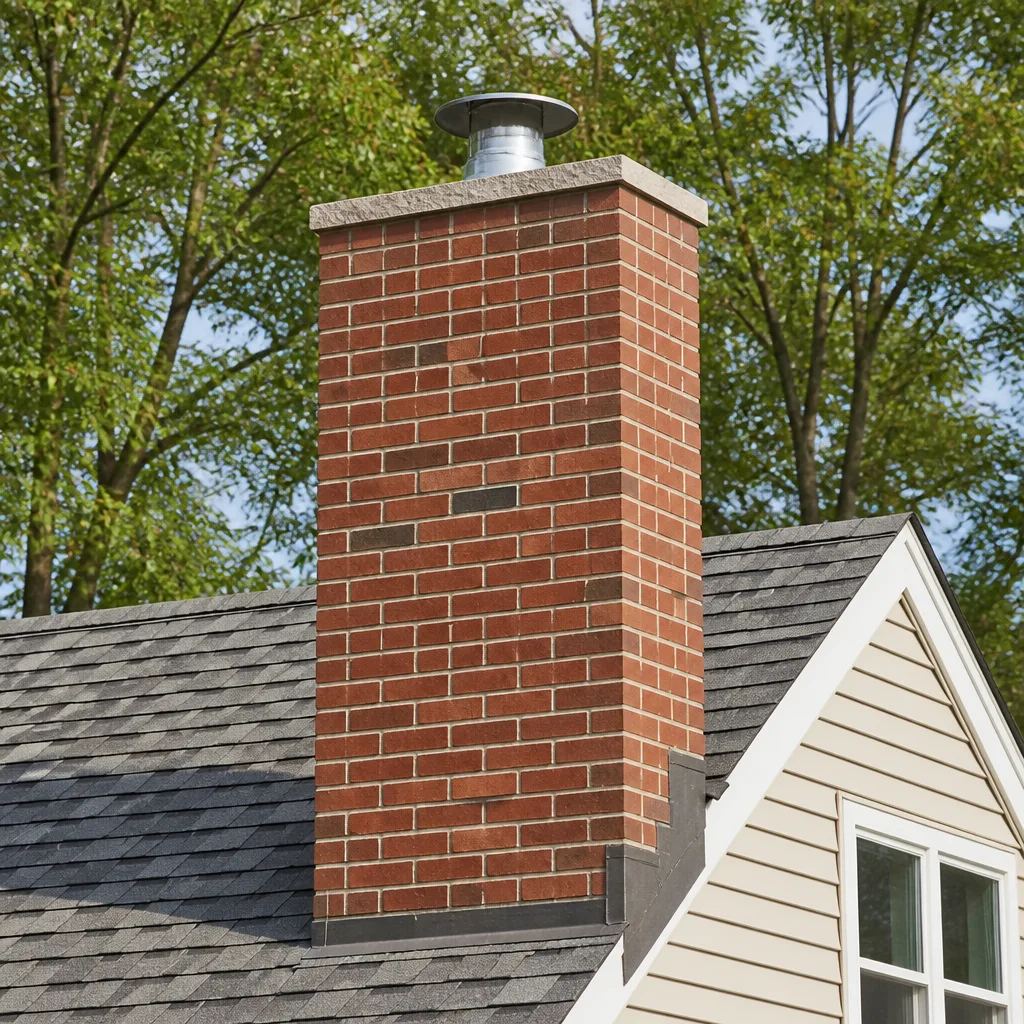
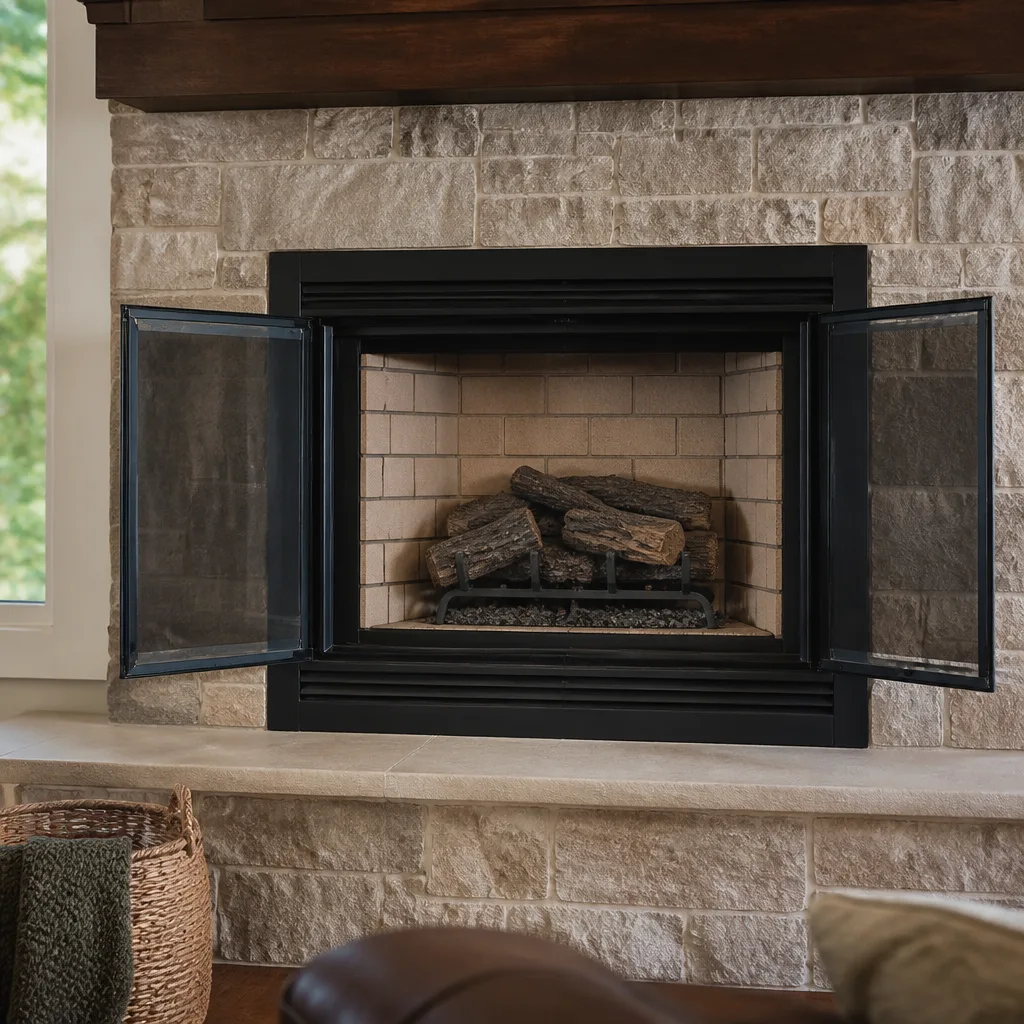
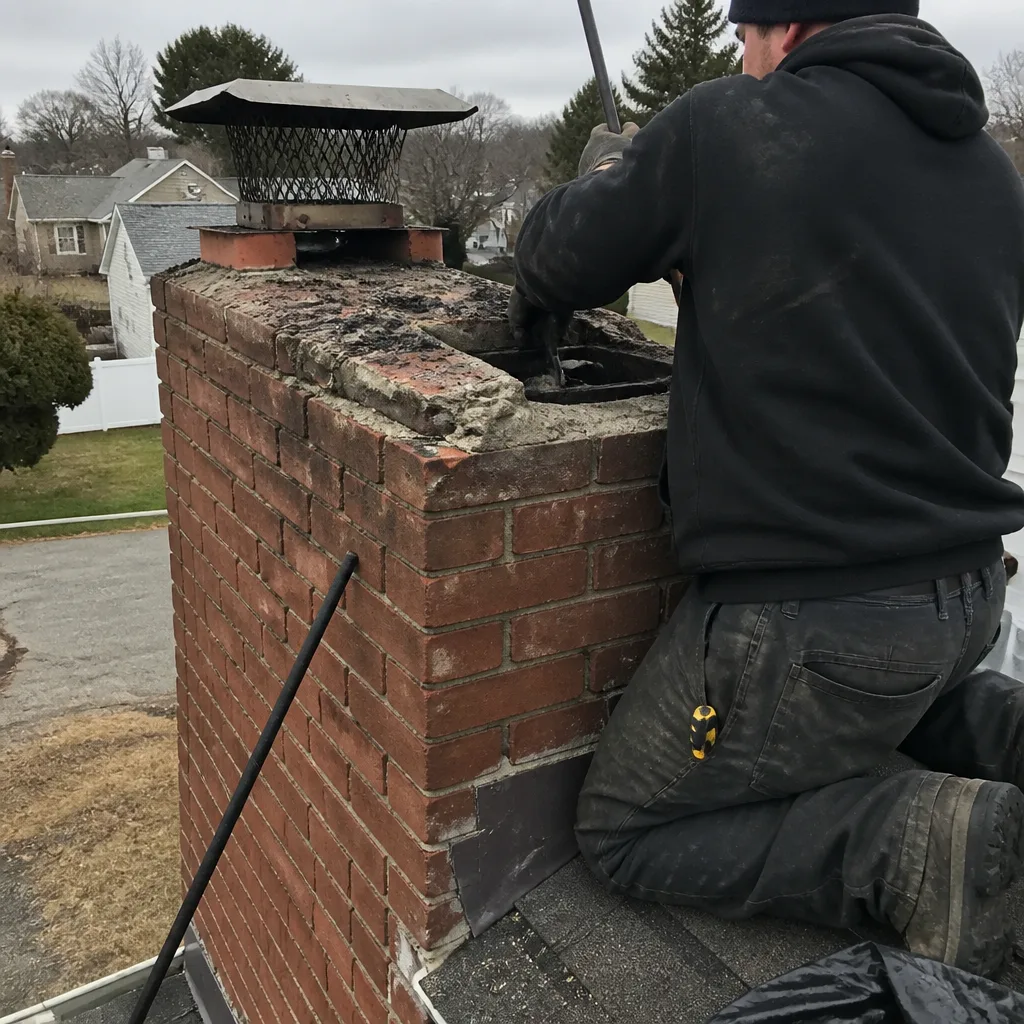 Before
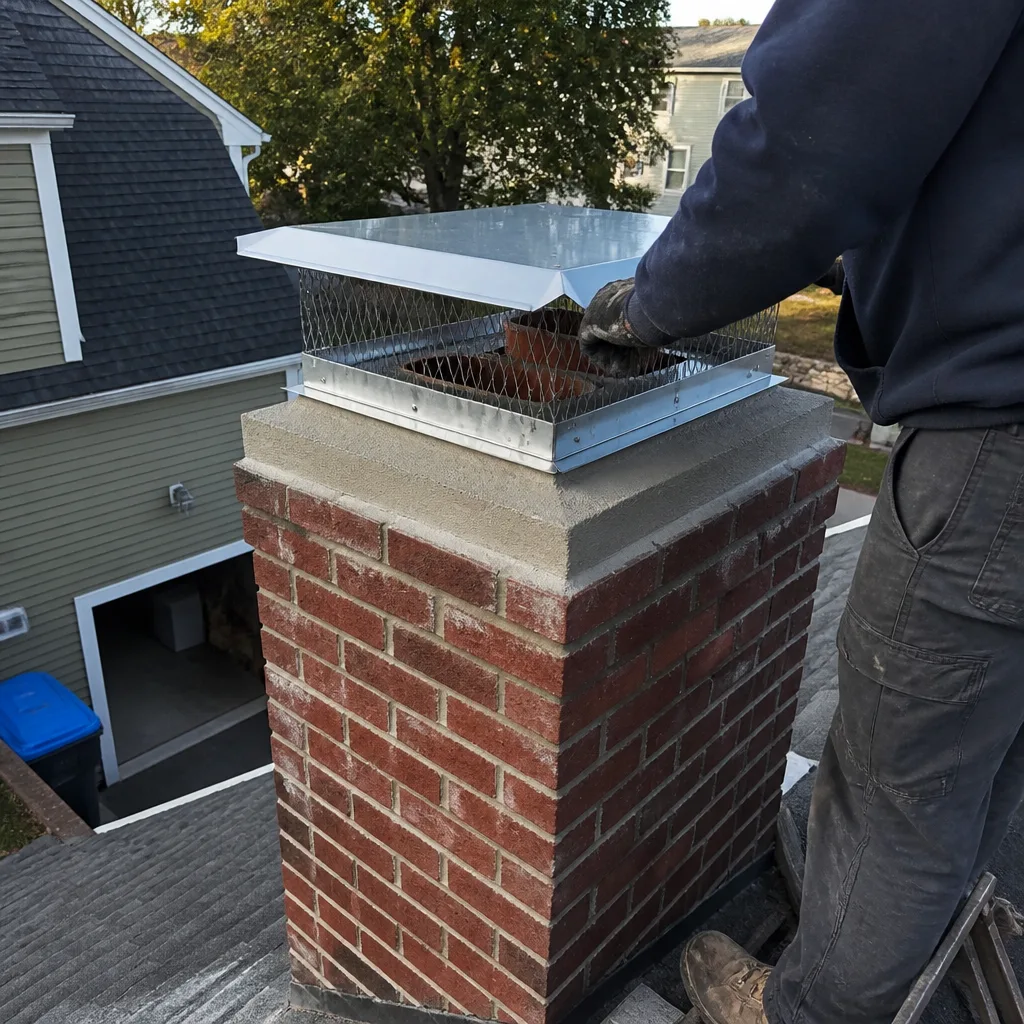 After
After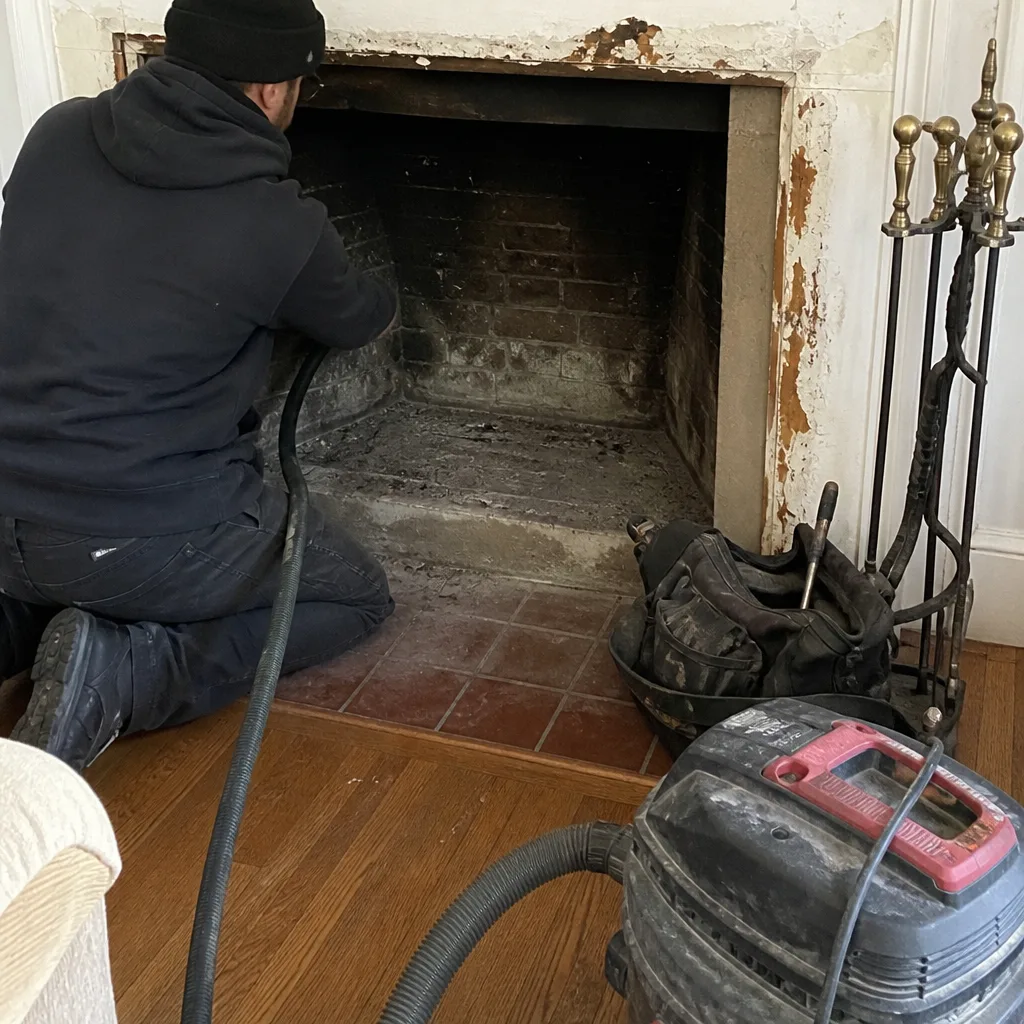 Before
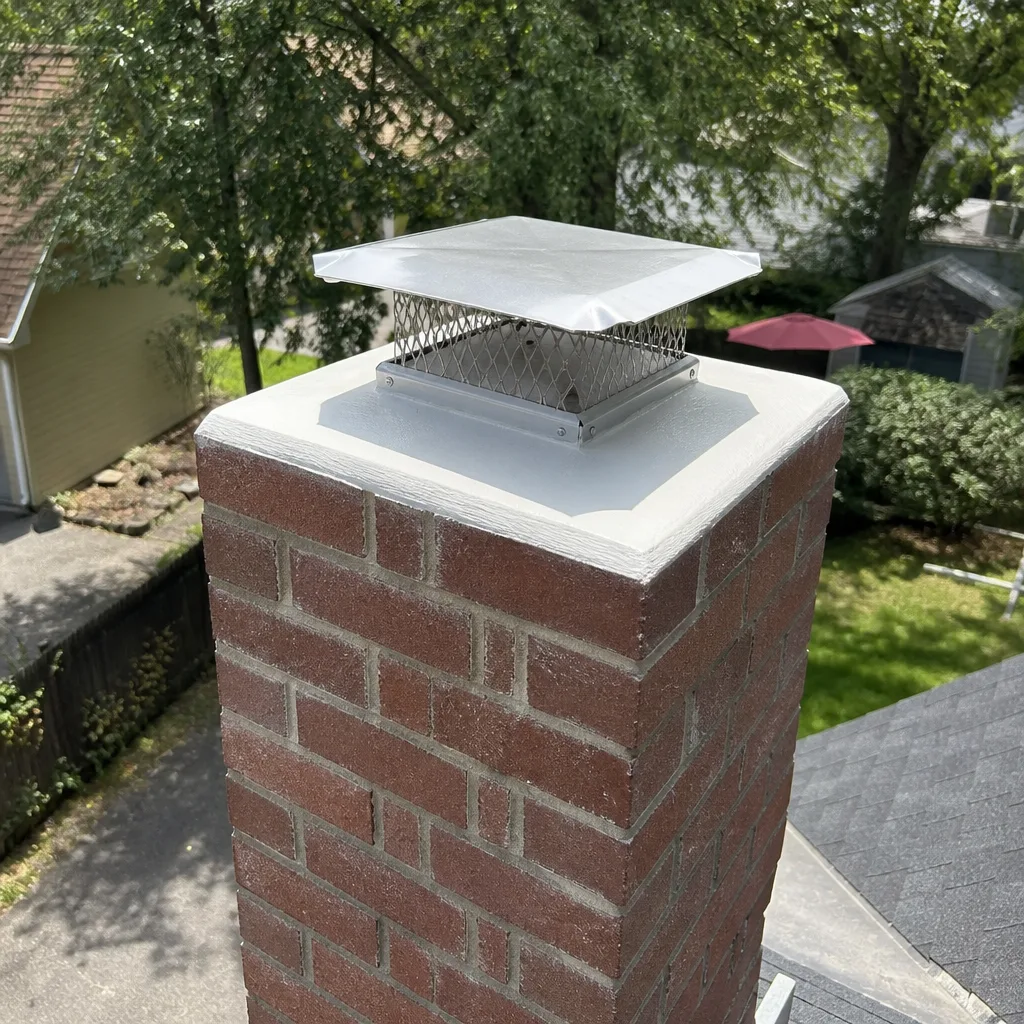 After
After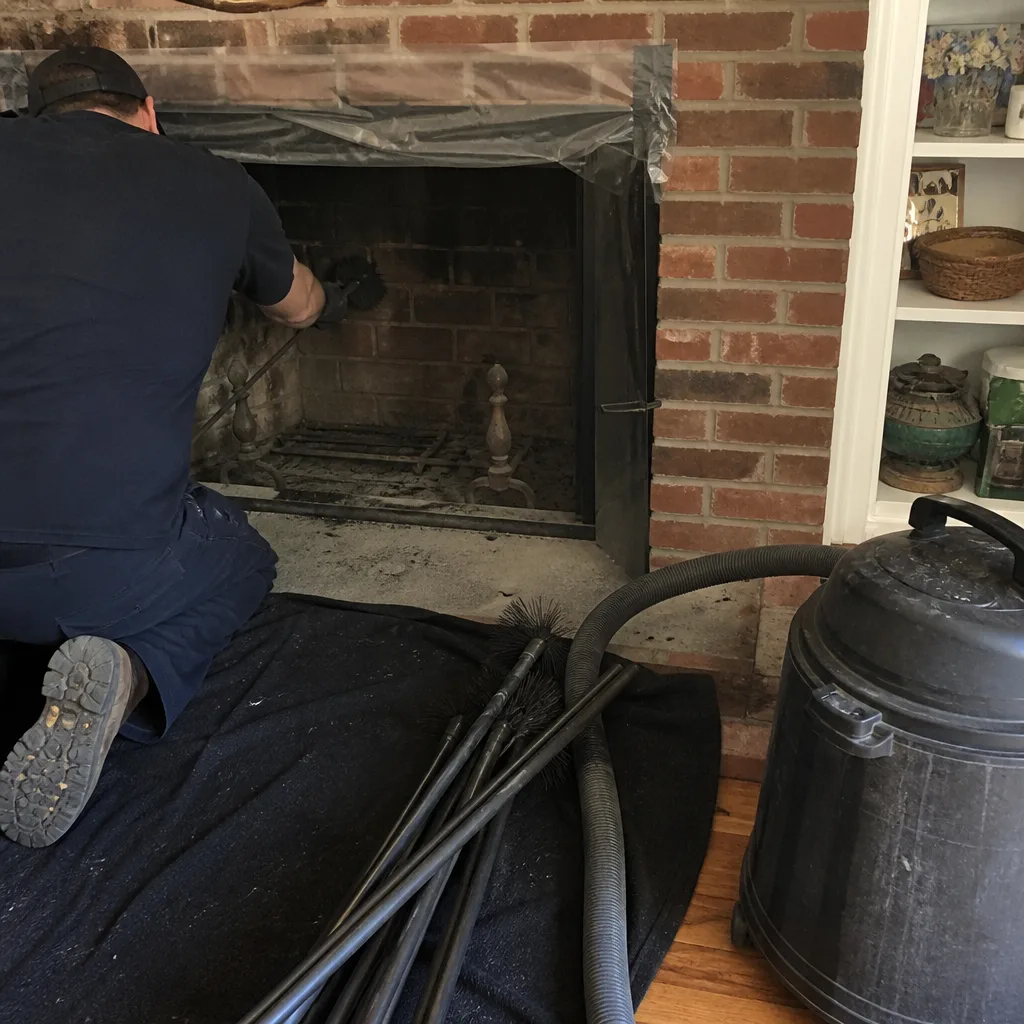 Before
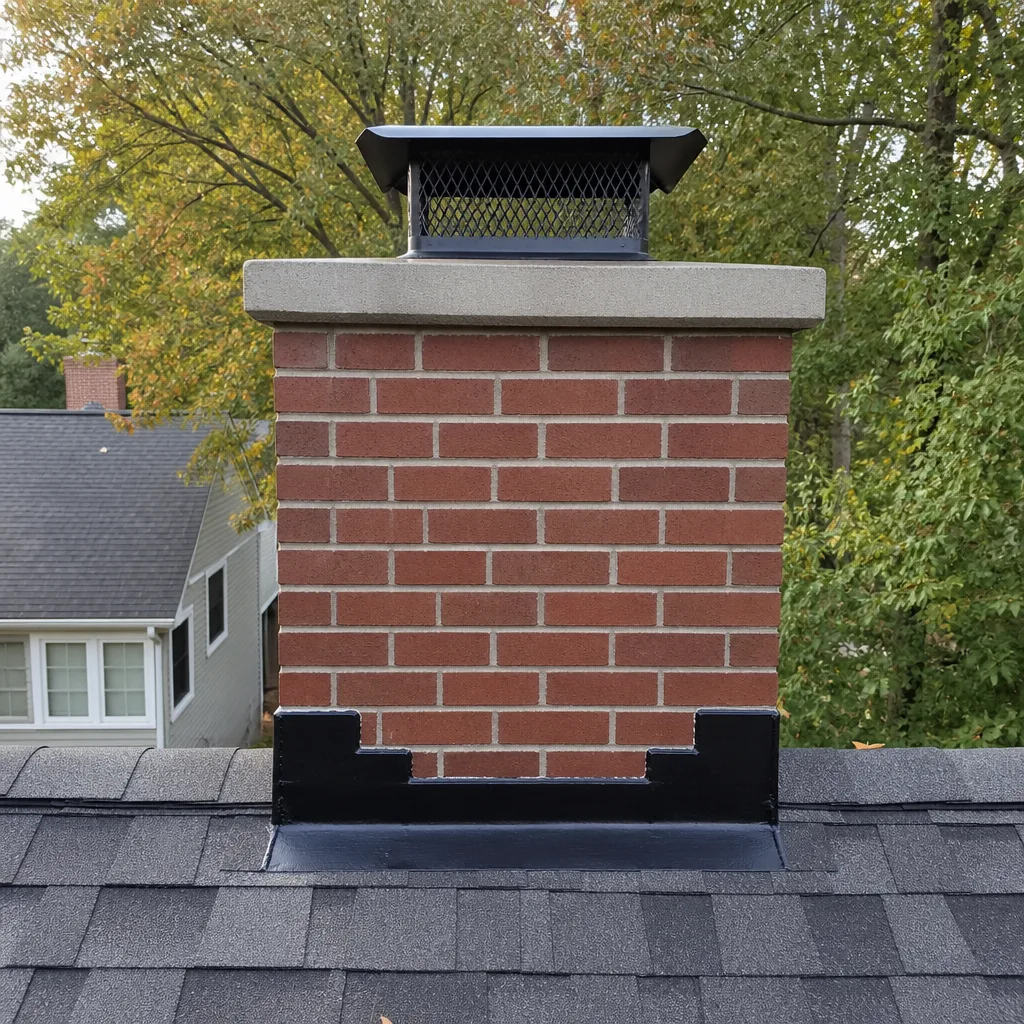 After
AfterThe Complete Guide to Chimney Cleaning in Quincy
After 25 years and thousands of chimneys in this area, the question I get most isn’t “how do you do it” - it’s “how do I know if the guy who did it actually did it right?” That’s the question this guide answers. Most Quincy homeowners don’t need a crash course in chimney science. They need to know exactly what happens during a cleaning, what’s normal, and what should make them ask questions. This guide walks through the whole job the way an honest sweep would explain it standing in your living room. By the end, you’ll know what a real cleaning looks like in Quincy, what it should cost, and how to spot the difference between a brush job done right and a brush job done fast. For more on choosing between DIY and professional service, see our companion guide.
Quick Answer
Chimney cleaning in Quincy typically costs between $199 and $389 for a standard sweep and Level 1 inspection, depending on flue type, roof access, and how much creosote has built up. A proper cleaning takes 45 to 90 minutes, includes a written report with camera findings, and should leave no dust in your living room. The single best way to know it was done right: ask for the camera footage before the crew packs up.
Table of Contents
- What Actually Happens During a Chimney Cleaning
- The Three Stages of Creosote and Why They Matter
- Why Quincy’s Housing Stock Creates Unique Chimney Conditions
- What a Level 1 Inspection Actually Covers
- What the Sweep Should Leave Behind
- How Much Does Chimney Cleaning Cost in Quincy?
- How Often Should You Clean Your Chimney in Quincy?
- The One Question to Ask Before Anyone Puts a Brush in Your Flue
What Actually Happens During a Chimney Cleaning
A real chimney cleaning is not a guy waving a brush around for ten minutes. It’s a sequence of specific steps that, when done properly, protects your house from chimney fire and carbon monoxide. Here’s the order a careful sweep follows, and what you should watch for at each stage.
The Setup: Protecting Your Home First
Before any tool comes off the truck, the work area gets protected. Drop cloths go down in front of the fireplace or stove. A high-powered vacuum, often a HEPA-filtered unit, gets positioned and turned on before the brush enters the flue. This vacuum is not optional. It creates negative pressure in the firebox so dust and soot get pulled into the vacuum, not into your living room. If a sweep shows up without a serious vacuum, that’s your first red flag.
The Brush Work: Top-Down or Bottom-Up
Depending on roof access and flue type, the cleaning happens from the roof down or from the firebox up. The brush is sized to the flue - and “close enough” is not a size. An undersized brush leaves creosote on the walls. An oversized brush can damage the flue liner. The sweep should be able to tell you your flue dimensions. On a masonry chimney in Quincy with a clay tile liner, the brush passes through the full length of the flue, scraping the walls clean. On a steel liner, the brush type changes - wire brushes can scratch some liner materials, poly brushes are gentler.
The Vacuum Pass and the Smoke Chamber
After the flue walls are brushed, the sweep moves to the smoke chamber - that angled section above the damper where soot and creosote collect in thick layers. This area gets overlooked by crews in a hurry. It’s where a surprising number of chimney fires start in Quincy homes because it sits just above the firebox and catches all the rising particles. The chamber should be brushed and vacuumed, not just “checked.”
The Visual and Camera Inspection
Once the flue is clean, a proper sweep runs a camera through the full length of the chimney. This is not an upsell. It’s the only way to see cracks in the liner, gaps at the tile joints, or damage to the chimney cap that would be invisible from the roofline or the firebox. In our experience, roughly one in four Quincy chimneys we clean shows something on camera the homeowner didn’t know about. Sometimes it’s minor. Sometimes it’s a liner issue that needs attention before the next fire.
The Report and the Talk
The job ends with a written report - what was cleaned, what was found, what the camera showed, and what, if anything, should be addressed. You should never have to chase a sweep for this. It should be handed to you or emailed before the crew leaves your driveway.
The Three Stages of Creosote and Why They Matter
Creosote is the black, tar-like substance that builds up inside your chimney when wood smoke cools and condenses on the flue walls. It’s combustible. It’s the primary fuel for chimney fires. And it doesn’t build up the same way in every chimney. Understanding the three stages will help you understand what your sweep is talking about when he gives you the verdict after a cleaning.
Stage 1: Flaky Soot
Stage 1 creosote is the light, dusty, flaky stuff that brushes off easily. It’s black or gray, has a powdery texture, and comes off with standard brushing. This is what a normal annual cleaning handles in a well-used fireplace. It’s not a concern - it’s just the natural byproduct of burning fires.
Stage 2: Crunchy Tar Deposits
Stage 2 creosote is thicker and harder. It looks like black, flaky shingles or crunchy flakes stuck to the flue walls. This happens when the chimney doesn’t draft well, when unseasoned wood is burned, or when fires are burned low and slow. Stage 2 creosote requires more effort - harder brushing, sometimes rotary cleaning loops or chemical treatments to loosen it. It’s still removable with standard equipment, but it takes longer and costs more than a Stage 1 cleaning.
Stage 3: Glazed, Tar-Like Creosote
Stage 3 is the bad one. It’s a hard, shiny, tar-like glaze that bonds to the flue walls. It’s extremely flammable and extremely difficult to remove. Brushes alone will not get it off. Removing Stage 3 creosote typically requires a chemical treatment, followed by mechanical removal, sometimes multiple passes. In our experience with Quincy fireplaces, Stage 3 creosote is most common in chimneys that burned a lot of pine or unseasoned wood, or that went several years without a cleaning. It’s also more common in exterior chimneys, where the cold Massachusetts air cools the flue and causes more creosote condensation.
Here’s the practical takeaway: your flue doesn’t care how the fire looks. It cares how it breathes. First-degree creosote is a brush job. Third-degree is a glaze - catch it early. The cost difference between cleaning Stage 1 and Stage 3 creosote can be three to four times as much, and if the glaze has damaged the liner, you’re looking at a liner repair or replacement. That’s the difference between a $250 visit and a $3,000+ project.
Why Quincy’s Housing Stock Creates Unique Chimney Conditions
Quincy is not a new-construction suburb. It’s one of the oldest settled communities in Massachusetts, and its housing stock runs the gamut: triple-deckers on tight lots, grand Victorians, post-war ranches, and 18th-century colonials scattered through the older neighborhoods. That matters for your chimney in ways you won’t read about on a national chain’s website.
Triple-Deckers and Shared Flues
Quincy’s famous triple-deckers often have multiple flues running through a single central chimney. One flue serves the first-floor fireplace, another the second, sometimes a third for the top floor or a heating appliance. These flues are close together, and damage in one - a cracked liner, a failed mortar joint - can affect the others. Cleaning one flue without checking its neighbors misses half the picture. We regularly find that a triple-decker fireplace on one floor hasn’t been used in years, while the flue beside it is actively venting a gas furnace. That unused flue still needs to be checked; unlined or damaged flues serving active appliances create carbon monoxide risk even when the fireplace is never lit.
Older Liners and Hearth Codes
Many Quincy homes built before the 1950s have chimneys with terra cotta clay tile liners, or in older cases, no liner at all. Clay liners crack over decades of heating and cooling cycles, and a cracked liner can expose framing and combustibles to heat and gases. Massachusetts building codes now require liners in most situations - and many Quincy homeowners find out during an inspection that their liner fails current standards. That’s not a scare tactic, it’s code. If your house has an original chimney from the 1920s or earlier, you should expect to have a conversation about liner condition at some point.
Coastal Air and Masonry Wear
Quincy sits on the water, and homes close to the coast get salt air year-round. That salt accelerates mortar deterioration, spalling brick, and rust on chimney caps and dampers. A chimney that looks fine from the street may have a crown with hairline cracks or a cap that’s rusted through. Those small openings let water in - and water, not fire, is the most common cause of serious chimney damage in Quincy. We’ve seen chimneys in Houghs Neck and Wollaston that need crown repairs after 15 years when inland chimneys of the same age are fine. The salt air is that aggressive.
Post-War Ranches and Pre-Fab Fireplaces
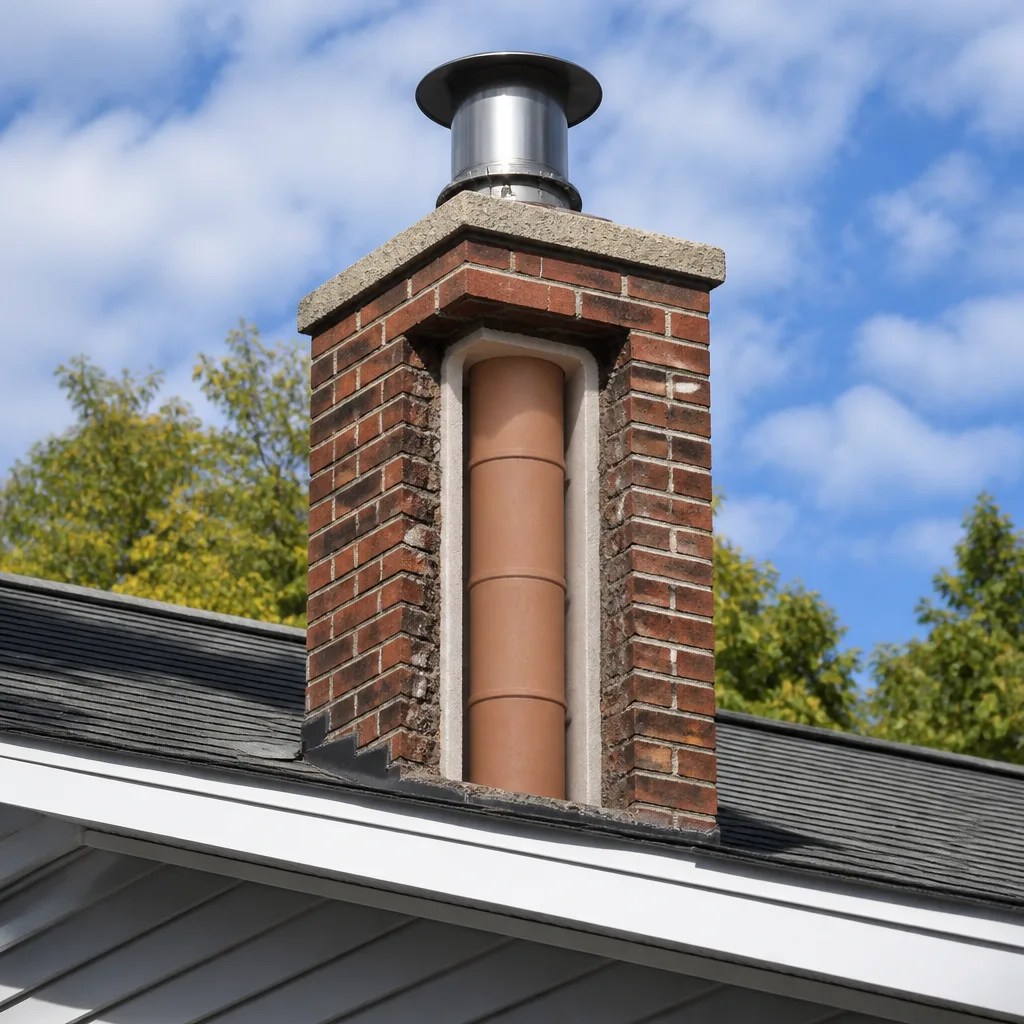
The post-war ranches built across West Quincy and Germantown in the 1950s and 1960s often have prefabricated metal chimneys, not masonry. Those systems have a defined lifespan - usually 20 to 30 years - and when they fail, they need replacement, not repair. A sweep who knows Quincy housing stock will recognize a pre-fab system immediately and inspect it differently than a masonry chimney. National chains that service every city in the Northeast may not spot the difference as quickly.
What a Level 1 Inspection Actually Covers
The National Fire Protection Association (NFPA) defines three levels of chimney inspection. A Level 1 inspection is what you should expect with every standard cleaning. A Level 2 inspection is recommended when you buy a home, change fuel type, or know something has changed (like a chimney fire or an earthquake). A Level 3 is invasive and rare - it involves removing parts of the chimney structure to inspect hidden areas.
Here’s what a Level 1 inspection should actually include, and here’s what gets skipped by crews in a hurry:
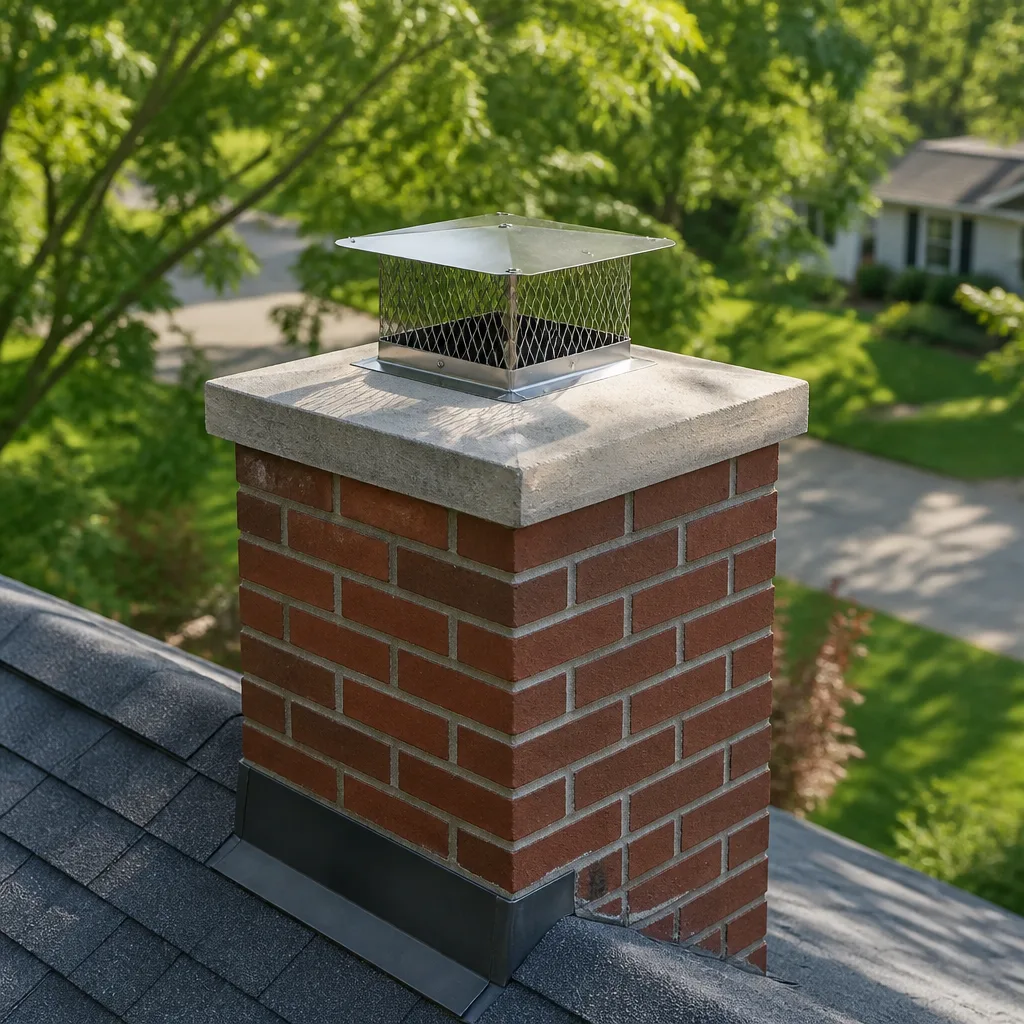
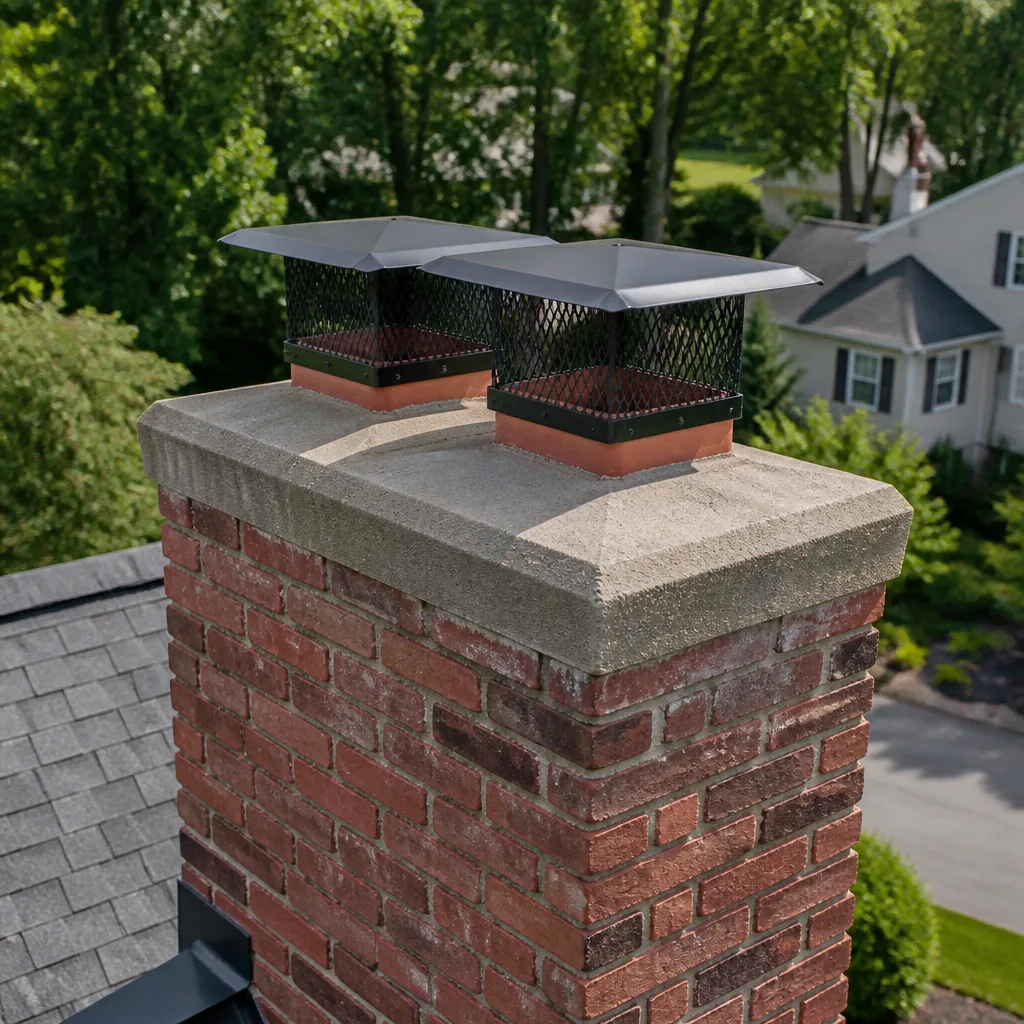
- The readily accessible portions of the chimney exterior: the visible masonry, the crown, the cap, and the flashing at the roof line. If the sweep doesn’t go on the roof or at least visibly examine these areas with binoculars or a camera, the inspection is incomplete.
- The interior flue walls: checked with a light or camera for creosote buildup, cracks, and blockages. A visual check from the firebox only sees the first few feet of the flue. The full flue needs a camera or a mirror system.
- The damper: opened, closed, checked for rust, warping, or improper operation. A rusted-out damper lets furnace heat escape up the chimney all winter.
- The firebox: checked for masonry cracks, loose bricks, and proper clearance. Cracks in the firebox allow heat to reach combustibles.
- The smoke chamber and shelf: visually inspected for creosote buildup and debris. As mentioned, this area catches more creosote than most homeowners realize.
- The hearth and clearances: checked for code compliance. If furniture or flooring sits too close to the fireplace opening, that’s a safety issue the report should flag.
What gets skipped in a rushed job: everything above the damper. A sweep who never looks down from the top of the flue or never runs a camera is not performing a Level 1 inspection. He’s doing a brush pass and calling it a day. In Quincy, where flues in older homes are more likely to have hidden damage, skipping the inspection portion of the cleaning is the difference between a maintenance visit and a missed warning sign. Our step-by-step guide to hiring a chimney contractor in Quincy shows what to look for before you book.
What the Sweep Should Leave Behind
After the job is done, you should have more than a verbal thumbs-up. A legitimate chimney cleaning in Quincy comes with documentation. Here’s what should be in your hand or your inbox before the sweep leaves:
- A written report describing what was cleaned, what condition the flue was in before and after, and any findings from the inspection. Not a receipt. A report.
- Camera photos or video if anything was found during the inspection. If the sweep says there’s a crack in the liner, you should be able to see it. The camera footage and a plain-English verdict - every time, no exceptions.
- Specific measurements if something needs repair. A note that says “liner needs repair” is insufficient. You should get dimensions, location of the damage, and a written description of what the repair involves.
- Creosote stage documentation - what stage of creosote was present, how much was removed, and what the recommended cleaning interval should be going forward.
- A clear recommendation timeline. If something needs attention, the report should say whether it’s urgent or can wait - and why. Nothing should be recommended without camera evidence you can see for yourself.
If you get none of these things, you didn’t get a proper chimney cleaning. You got an exercise in brush-waving. And here’s the thing: you can’t verify what was done inside your flue without either the report, the footage, or both. That’s the moment to ask questions.
How Much Does Chimney Cleaning Cost in Quincy?
Chimney cleaning in Quincy is not a flat national price. Costs vary based on the type of chimney, its condition, the level of creosote, and how easy it is to access the roof. Here’s a realistic breakdown of what homeowners in this area should expect to pay:
- Standard cleaning with Level 1 inspection (masonry fireplace, Stage 1 creosote): $199-$289
- Cleaning with Stage 2 creosote requiring extra brushing or chemical treatment: $250-$375
- Cleaning with Stage 3 glazed creosote (chemical treatment plus multiple mechanical passes): $400-$650 or more, depending on flue length and access
- Cleaning a wood stove insert: $225-$350 (the stove pipe and the liner both need cleaning)
- Pre-fab metal chimney cleaning: $180-$275 (shorter systems, but require specific brush types)
- Roof access complications (steep pitch, high roof, difficult access): add $50-$150
- Camera inspection as part of Level 2 (recommended for home purchase or suspected damage): add $100-$200
These ranges reflect what we see across Quincy, from the triple-deckers of Quincy Point to the larger homes in the Adams Shore area. Beware of prices that fall significantly below these ranges. A $79 chimney cleaning special almost always comes with a twist - either an aggressive upsell on the back end or a cleaning so superficial that the flue walls barely see a brush. The number you hear on the phone should be the number on the invoice. If a company won’t give you a firm price before the job, that’s a warning sign.
Also worth knowing: senior and veteran discounts are real in this market. We offer a standing 10% discount for both, and many local sweeps do something similar. It never hurts to ask. Call (781) 277-4630 for an exact quote - estimates are free, and the price you get is the price you pay.
How Often Should You Clean Your Chimney in Quincy?
The short answer: once a year, burn or no burn. Chimneys break in the off-season too. The National Fire Protection Association recommends cleaning and inspection at least annually for wood-burning fireplaces and stoves. We say the same thing, but with a local caveat. Quincy’s weather plays a role. Our freeze-thaw cycles - those wet, cold winters followed by sudden warm spells - are brutal on masonry. Water gets into small cracks, freezes, expands, and widens the crack. Each year the damage grows, whether you’re burning fires or not.
Here’s our practical guidance for Quincy homeowners:
- Burning a fireplace or wood stove regularly (more than once a week during the season): clean and inspect annually, ideally in late summer or early fall before the burning season starts. That way any repairs happen before you want to light the first fire.
- Burning occasionally (a few times a month during winter): annual cleaning is still the right call. Light use doesn’t prevent creosote from forming - it can actually make it worse because low, cooler fires produce more creosote.
- Never using the fireplace: at minimum, get a Level 1 or Level 2 inspection every other year. Unused chimneys still collect debris, animal nests, and water damage. And if the flue is connected to a furnace or water heater, it needs to be checked for carbon monoxide safety every year.
- After a chimney fire: no matter how small, call a professional before lighting another fire. Chimney fires can damage liners invisibly from the inside. If you hear a loud roaring sound, see flames shooting from the chimney, or notice thick black smoke, that’s a chimney fire. Get out of the house and call 911. Then call a sweep for a full inspection before using the chimney again.
A note on timing: the best time to schedule a cleaning in Quincy is late summer. Fall is the busiest season for chimney sweeps, and you’ll wait longer and pay peak pricing.
The One Question to Ask Before Anyone Puts a Brush in Your Flue
If you remember one thing from this guide, make it this: ask the sweep “Will I see camera footage of my flue before and after the cleaning?” Here’s why. A brush can go through a flue and leave creosote on the walls, miss cracks, skip the smoke chamber, and the homeowner would never know. The brush doesn’t talk. But a camera doesn’t lie. If the company uses a camera system - and shows you the footage - you know the flue was actually cleaned, because the before and after images prove it.
We’ve been using camera inspections on every cleaning for years. It’s not because we want to find problems to sell you. It’s because you deserve to see what’s inside your own chimney. Most of the time, the camera shows a clean flue and a healthy liner, and that’s the end of it. Sometimes it shows a crack or a blockage that needs attention. Either way, you’re making decisions with information, not with trust alone. That’s how a professional cleaning should work in Quincy, and anywhere else.
For a deeper look at how we approach the cleaning itself, see our dedicated Chimney Cleaning & Sweep in Quincy page. If you’re dealing with damage, our Chimney Repair in Quincy guide covers repair options in detail. And for the fireplace itself - dampers, fireboxes, and everything inside the hearth - Fireplace Services in Quincy walks through what we do.
Common Mistakes to Avoid
- Hiring on price alone. A $79 special in Quincy should make you suspicious, not excited. The math doesn’t work for a legitimate cleaning, which means the company is planning to make money on the back end with repairs you can’t verify. Get a firm price and ask what’s included before anyone shows up.
- Skipping the off-season. Waiting until November to schedule a cleaning in Quincy means waiting behind everyone else who waited until November. Schedule in late summer and you’ll have your pick of times and a more thorough job.
- Accepting a verbal report. “Everything looked good” is not a report. A legitimate sweep writes it down, with photos and measurements where relevant. If you don’t get documentation, you can’t prove what was or wasn’t checked.
- Burning unseasoned wood. Wet or green wood burns cooler and produces more creosote. In Quincy, where many homes store wood outdoors year-round, this is a constant issue. Wood needs to be split and stacked under cover for at least six months before burning. Burn seasoned hardwoods (oak, maple) and you’ll see a dramatic difference in creosote buildup.
- Ignoring a damper that won’t close properly. A faulty damper isn’t just a draft nuisance. It lets heated air escape up the chimney all winter and can let rainwater in during storms. On a Quincy winter, that’s real money walking out the top of your house.
- Using the fireplace with a known cracked liner. If you’ve been told the liner is cracked and you keep burning, you’re taking a known risk. Heat and gases can escape through the crack and reach framing. It’s one of the few “waiting is not safe” scenarios we see in this work.
- Assuming a gas fireplace doesn’t need service. Gas logs still produce byproducts, and the flue still needs to be checked for blockages and carbon monoxide safety. We recommend annual inspection for gas appliances too - it’s quick, and it’s the only way to confirm the system is venting properly.
When to Call a Professional
Some chimney work is genuinely dangerous to put off. Call a professional if you notice any of these: a flue that smells like a campfire when the fireplace is not in use, visible smoke entering the room during fires, black staining around the fireplace opening or on the wall above it, water stains on the ceiling near the chimney, a damper that’s rusted through or won’t open and close, or anything that sounds like a chimney fire (a loud roar from the flue, visible flames from the chimney top, thick smoke). If you hear the roar, call 911 first, then call us after. For everything else - cleanings, inspections, quotes, questions - Top Hat Chimney offers free estimates in Quincy. Call (781) 277-4630, and you’ll reach a live person. We’ve been doing this since 1999, and we’re happy to talk through what you’re seeing before anyone climbs on your roof.
Frequently Asked Questions
Expect to pay between $199 and $289 for a standard cleaning with a Level 1 inspection on a masonry fireplace in Quincy. Stage 2 creosote adds roughly $50 to $100, and Stage 3 glazed creosote can push the job to $400 or more. Pre-fab and insert cleanings fall in a similar $180 to $350 range. The price you’re quoted on the phone should be the price on the invoice. Call (781) 277-4630 for a firm quote before you book anything.
Maybe. The answer depends on what the camera shows. A cracked clay liner is common in older Quincy homes and often needs repair or replacement because the crack allows heat and gases to escape the flue. But not every liner flaw means replacement - small cracks can sometimes be repaired with a resurfacing system, and the specific product depends on your flue’s condition. Here’s our rule: nothing gets recommended without camera evidence you can see for yourself, and we’ll tell you plainly when work can wait. If a company recommends a liner replacement on your first visit and can’t show you clear camera footage of the damage, get a second opinion. We offer free second opinions on any written estimate, no pressure.
Once a year, burn or no burn. The NFPA recommends annual cleaning and inspection for wood-burning fireplaces, and we agree. Quincy’s wet winters and salt air mean chimneys deteriorate even when they’re not being used. An annual visit catches small issues before they become expensive repairs. If you burn heavily, more than once a week through the winter, you may need a mid-season check as well. Call (781) 277-4630 to schedule your annual cleaning before the fall rush.
Creosote builds up on the flue walls. If it’s Stage 1, you might get away with an extra year. If it advances to Stage 2 or Stage 3, your risk of chimney fire climbs dramatically. At Stage 3, the creosote itself is the fuel - a spark can ignite it, and once it’s burning, it’s extremely hard to stop. Beyond the fire risk, skipping cleanings means water damage goes unnoticed, cracks widen, and small repairs become full liner replacements. The $250 you save by skipping a year is often a $2,500 repair three years later. That’s the real cost of waiting. For a free estimate on a cleaning, call (781) 277-4630.
It shouldn’t. A proper chimney cleaning in Quincy uses a high-powered vacuum with HEPA filtration that runs from setup to finish, creating negative pressure in the firebox so dust gets pulled into the vacuum, not your furniture. Drop cloths go down before any work starts, and the crew should leave your living room exactly as they found it. If a sweep tells you to expect some dust, that’s a sign their equipment isn’t up to the job. Dust is optional in this work. It should not be part of your experience.
Yes, absolutely. We work on triple-deckers throughout Quincy, from Quincy Point to Wollaston, and we’re familiar with the shared-flue configurations and access challenges these buildings present. Each flue gets cleaned and inspected independently, and we’ll check the neighboring flues even if only one floor is actively using the fireplace. Roof access on a triple-decker can be tight, but it’s work we do regularly. Call (781) 277-4630 and we’ll walk through your building’s setup before we ever climb a ladder.
The Bottom Line
Chimney cleaning in Quincy is not a mystery. It’s a defined sequence of steps - setup, brushing, vacuuming, inspection, documentation - and you have the right to see the evidence of every one of them. A legitimate sweep charges a fair price, keeps the work area protected, runs a camera through the flue, and hands you a written report before leaving. A quick brush pass with no camera and no documentation is not a cleaning, no matter what the receipt says. We’ve been at this since 1999, and we back every cleaning with the 90-Day Done Right Promise: if it’s not done right, we make it right, in writing, on every single job. If you’re in Quincy and want a chimney cleaning you can verify - with photos, measurements, and a plain-English verdict - call (781) 277-4630. For more guides & resources on keeping your chimney safe year-round, visit our blog. Live person, no call center, no pressure. Ask anyone on your street.
Written by Wendell Pike, Owner at Top Hat Chimney, serving Quincy since 1999.