
Last updated September 10, 2026
Level 1 sweep and inspection to the NFPA 211 annual standard - flue, crown, cap, and flashing checked and photographed
Chimney sweep logs do not sweep chimneys. They loosen some creosote - which then falls where a brush and vacuum still have to collect it.
 Before
 After
After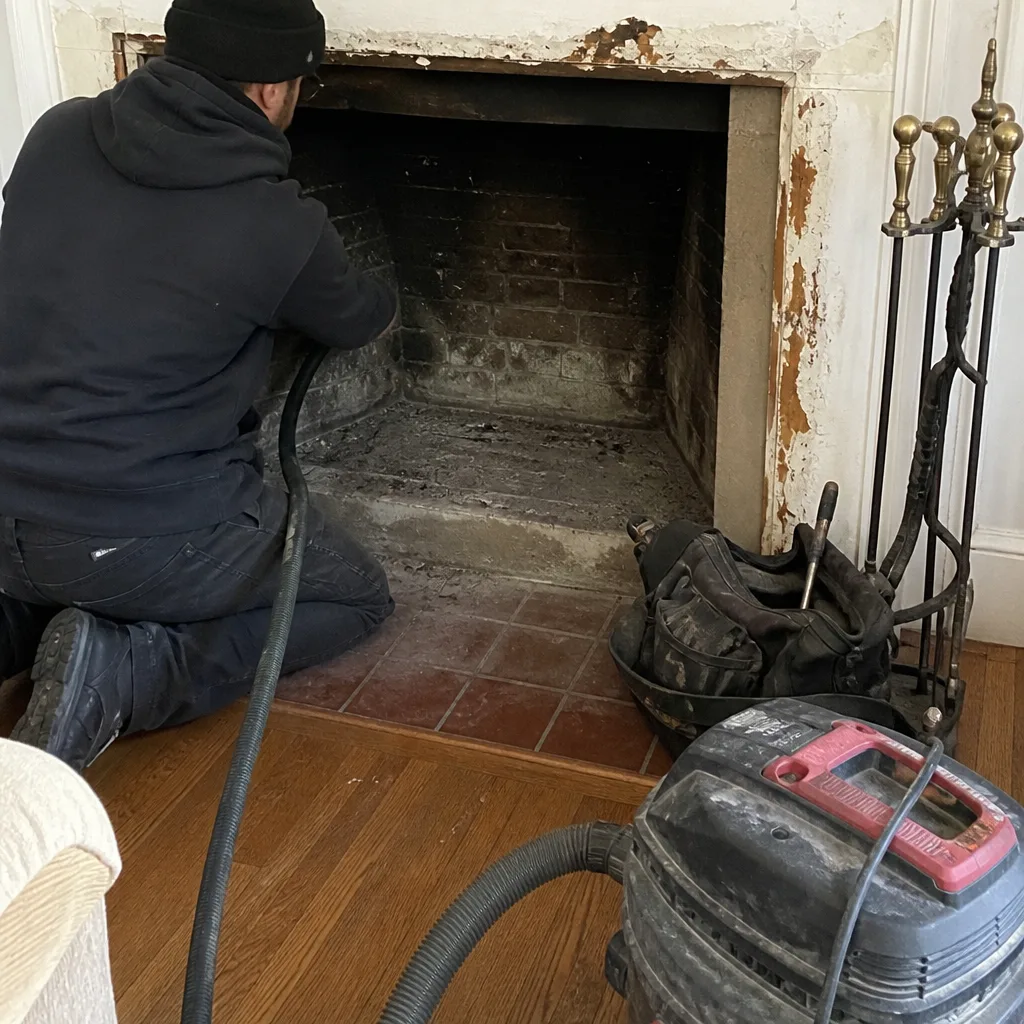 Before
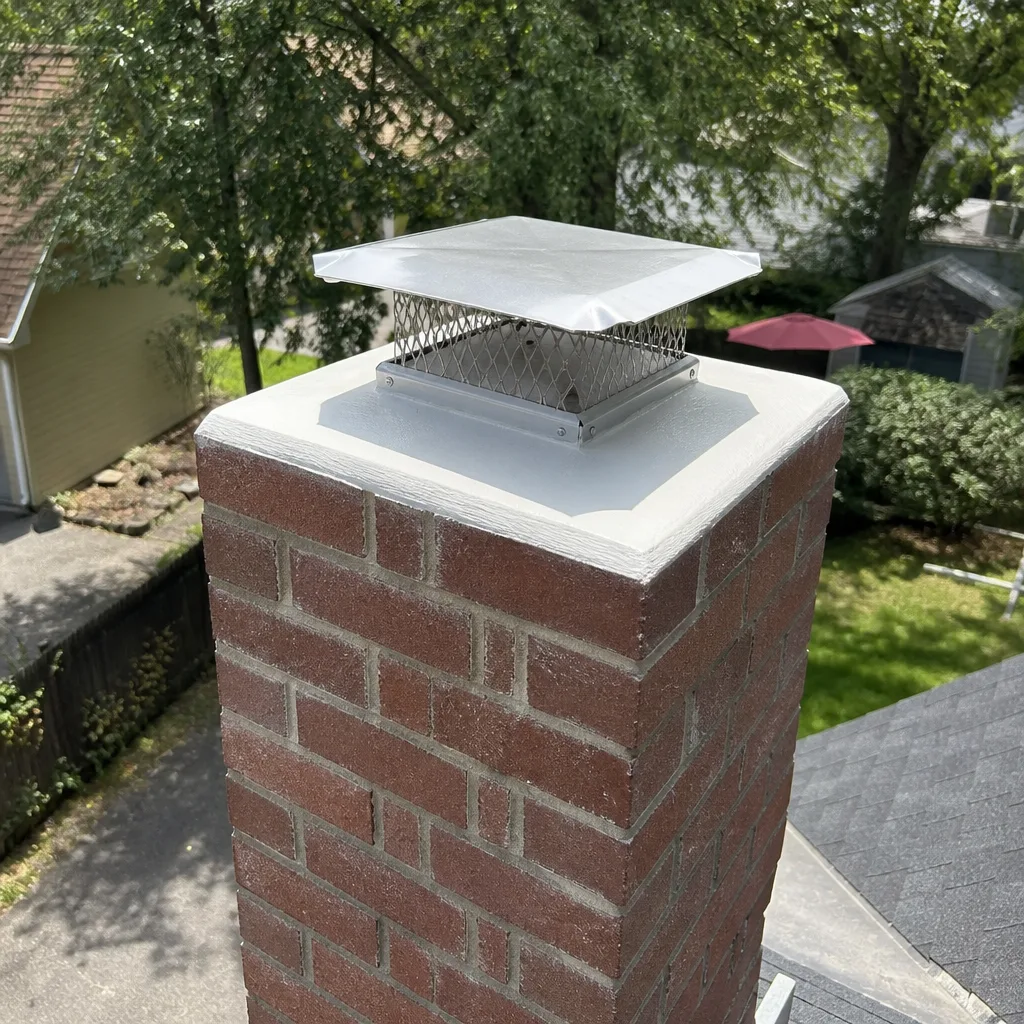 After
After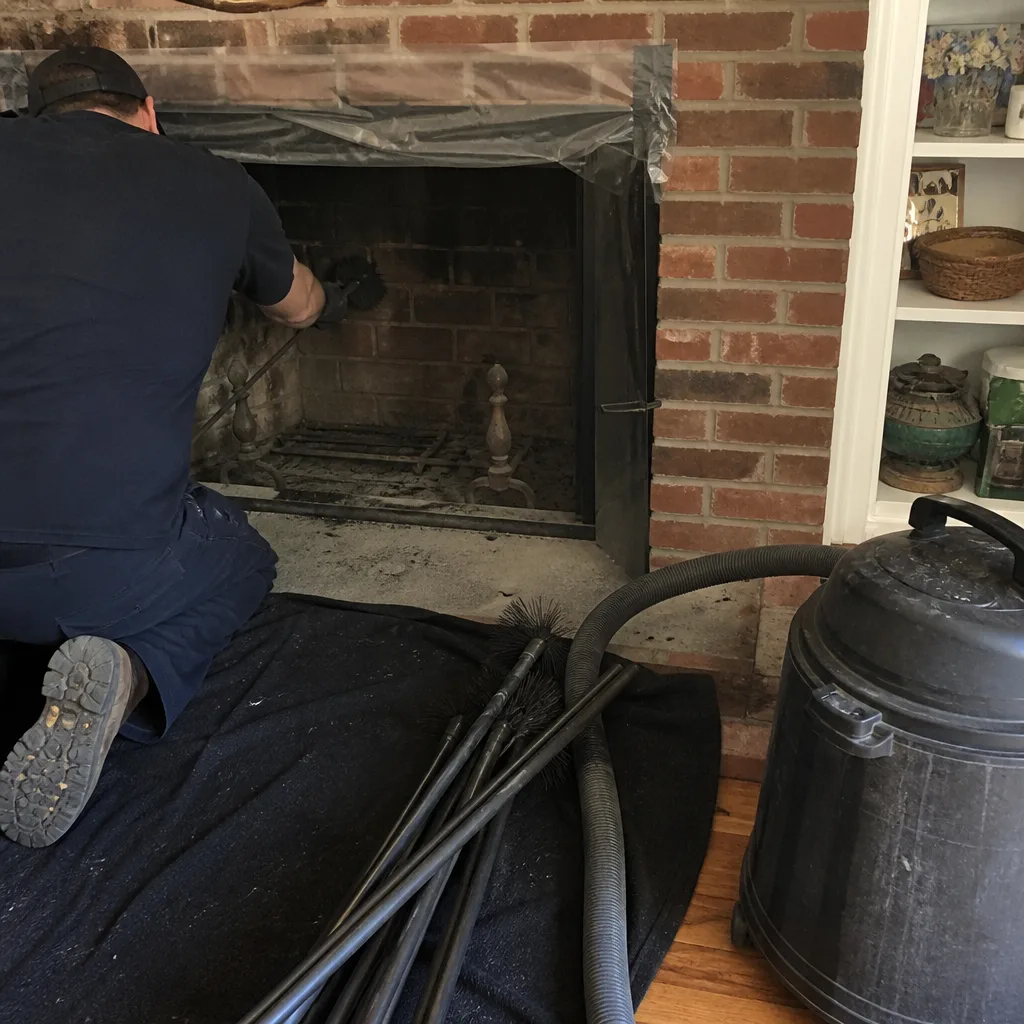 Before
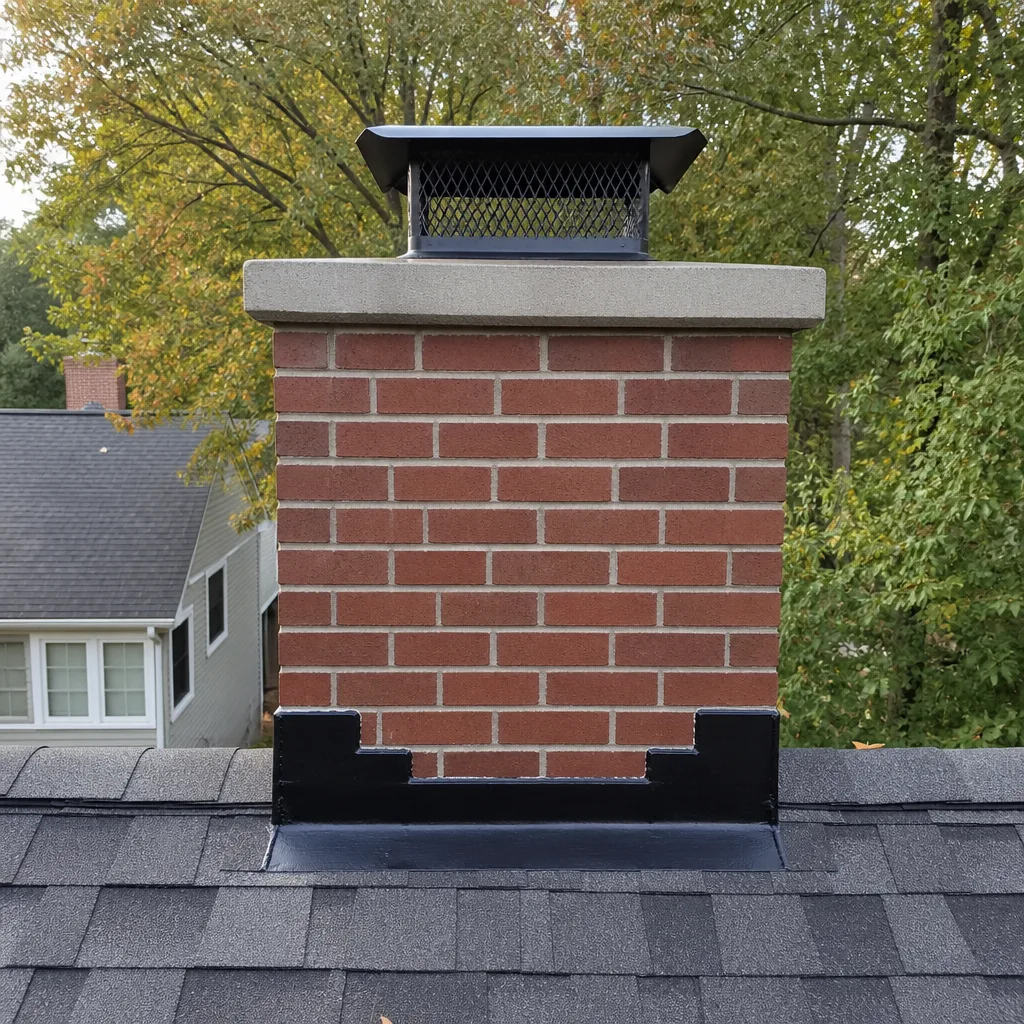 After
AfterSeasonal Chimney Cleaning Care for Quincy: Year-Round Homeowner’s Guide
Spring is when I find the worst damage. Not because it happened in spring, but because winter was hard on masonry and nobody looked until they smelled something. Quincy’s weather doesn’t take a season off, and neither should the way you think about your chimney. This guide walks you through what’s actually happening to your chimney month by month, what’s worth your attention, and what can safely wait. If you’ve been following the old “clean it every fall” advice, you’ve been missing three seasons of trouble that start quietly and get expensive fast.
Quick Answer
Seasonal chimney care in Quincy means checking your chimney in spring for winter damage, managing moisture and odor through the humid summer, scheduling your cleaning in early fall before your first fire, and watching for mid-winter changes that signal trouble. A year-round approach catches small problems before they become expensive repairs, and it starts with understanding what each season does to the brick, mortar, and flue.
Table of Contents
- Spring: What a Hard Quincy Winter Does to Your Chimney
- Spring Inspection: Two Things Worth Checking Before You Forget About the Fireplace
- Summer: Why an Unused Chimney Develops Odor and Moisture Problems
- Summer Prevention: Keeping Your Chimney Dry When Nobody’s Burning
- Fall: The Real Timing for Cleaning Before Your First Fire
- What Happens During a Proper Fall Sweep
- Winter: Mid-Season Signs That Something Has Changed
- How Quincy’s Coastal Location Accelerates Chimney Deterioration
- Common Mistakes to Avoid
- When to Call a Professional
- Frequently Asked Questions
- The Bottom Line
Spring: What a Hard Quincy Winter Does to Your Chimney
By the time March rolls around, your chimney has survived freeze-thaw cycles, nor’easters, and months of hot flue gases pressing against cold masonry. The damage shows up in predictable places. Mortar joints crack first. When water gets into those hairline cracks and freezes, it expands by roughly 9 percent. One freeze-thaw cycle does little. Forty of them, which is what a typical Quincy winter delivers, turns small cracks into spalled brick faces and loose mortar beds.
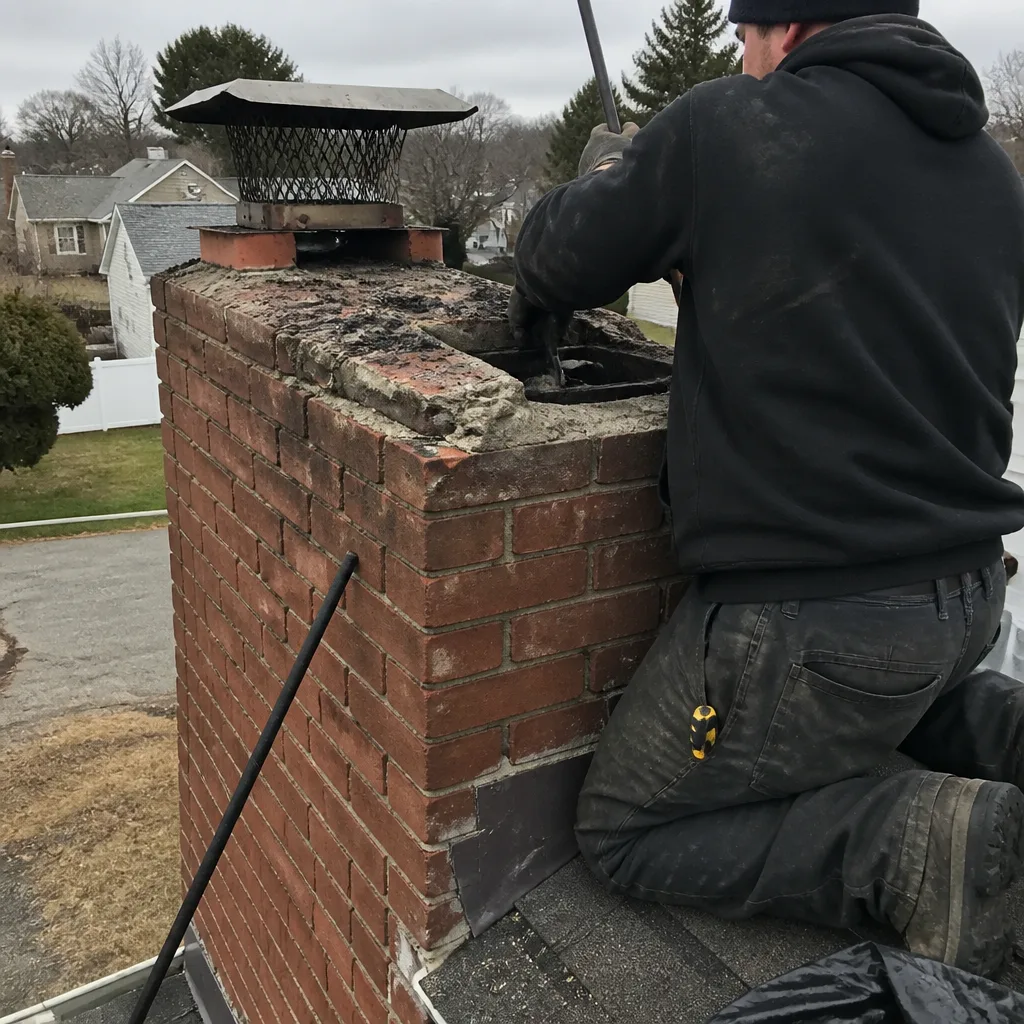
The crown, that concrete slab at the top of your chimney, takes the worst of it. A crown with even a small crack lets water run down through the brickwork all winter. By spring, that water has done its work. You might see white staining on the brick, crumbling mortar in the firebox, or a damper that’s rusted stiff. None of these happen overnight. They develop across December, January, and February, and they wait in the wall until warm weather lets the evidence show.
We’ve taken apart chimneys in Wollaston and Merrymount that looked fine from the ground but had mortar joints you could pull out with your fingers. The homeowner’s cue was a faint musty smell in the living room. That smell was three months old. The point is simple: once a year, burn or no burn. Chimneys break in the off-season too.
Spring Inspection: Two Things Worth Checking Before You Forget About the Fireplace
You don’t need to climb on a ladder to do a useful spring inspection. From the ground, you can catch most of what matters. Here’s what to look for:
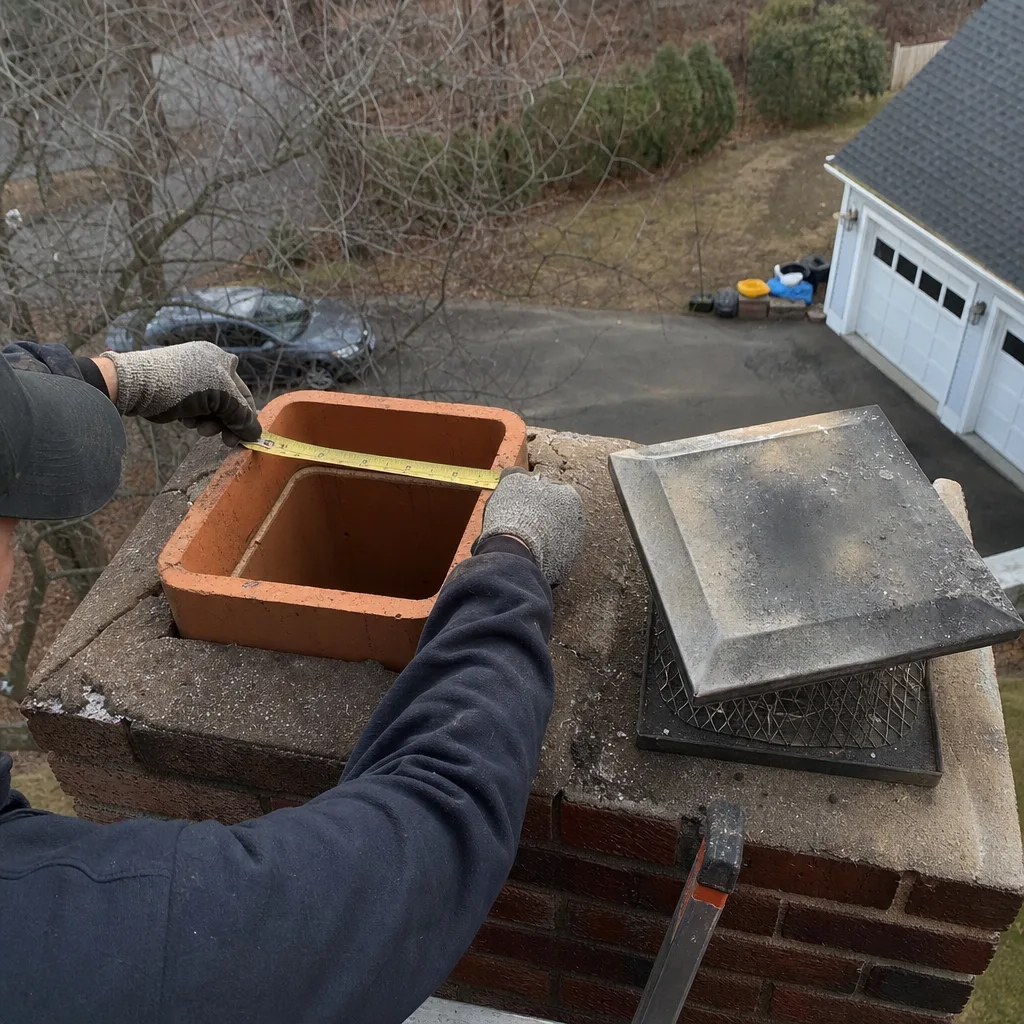
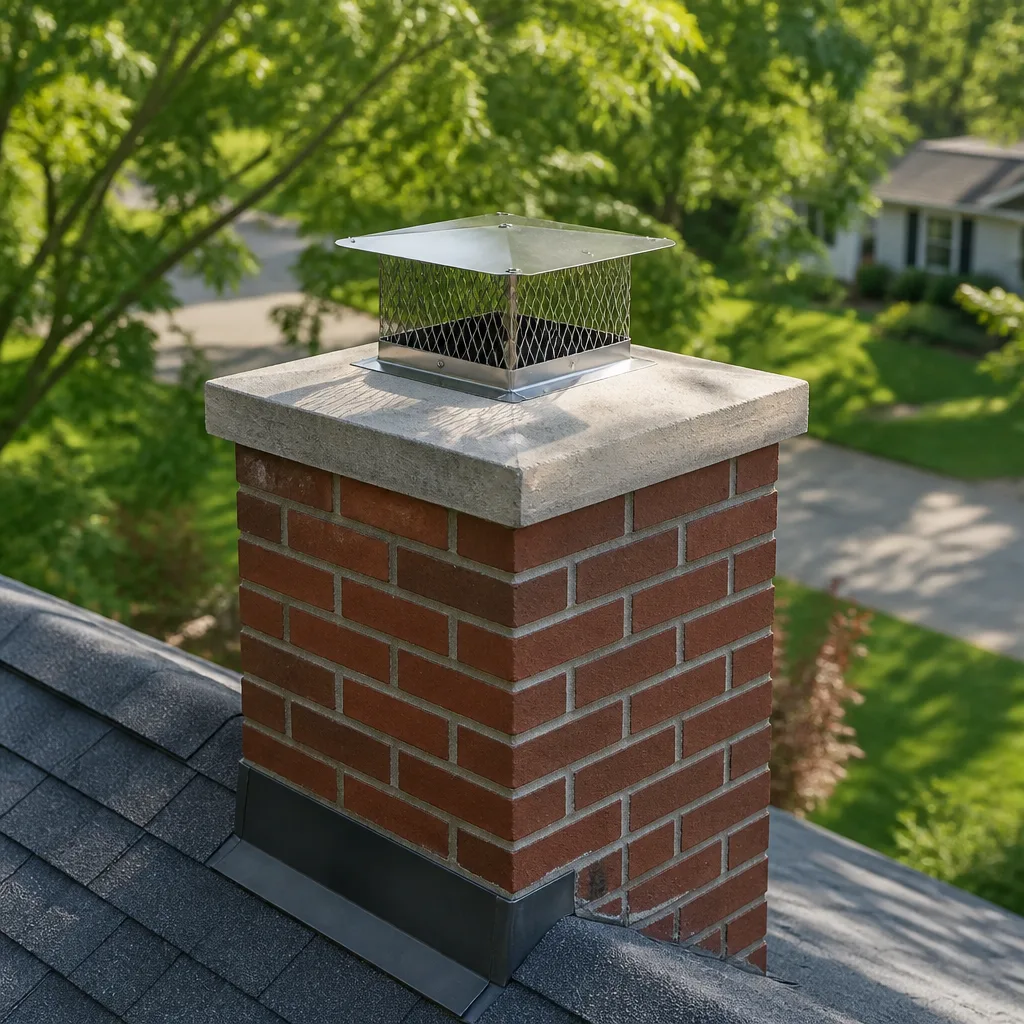
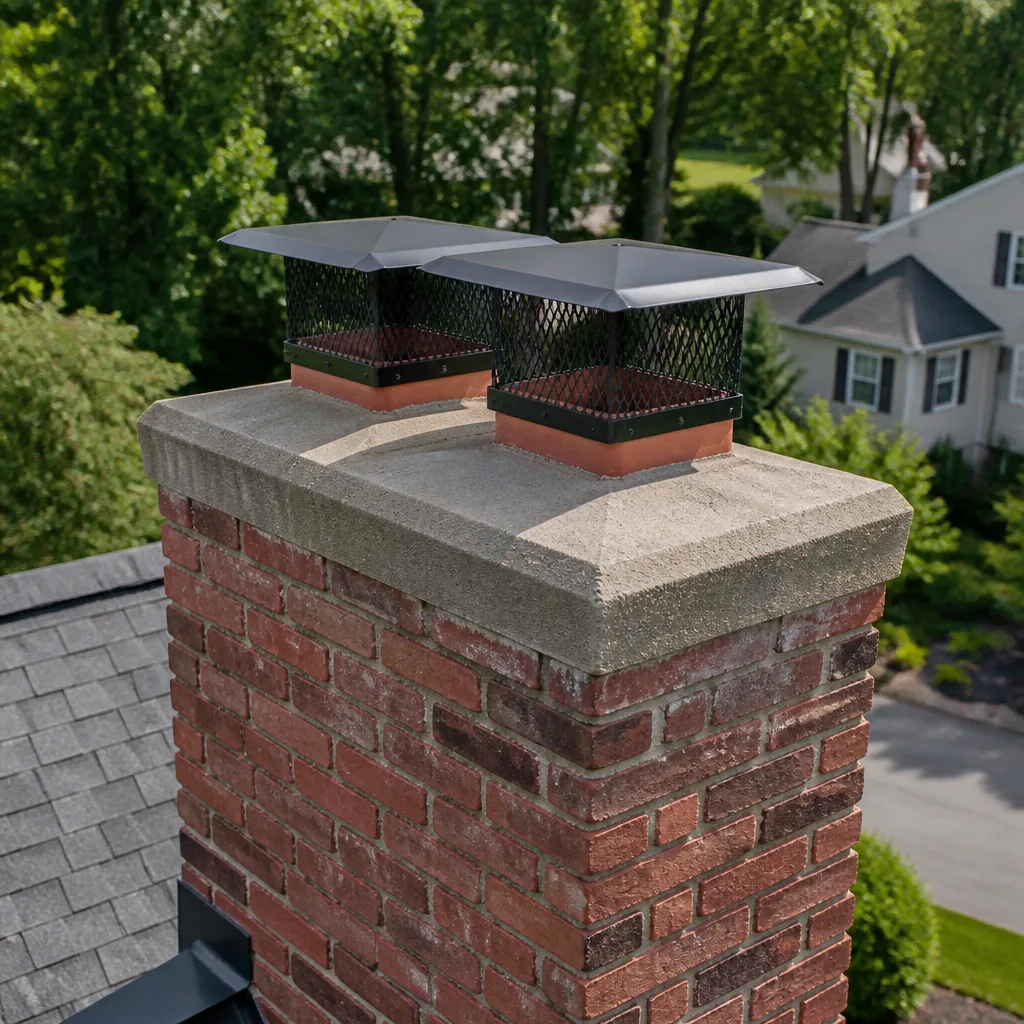
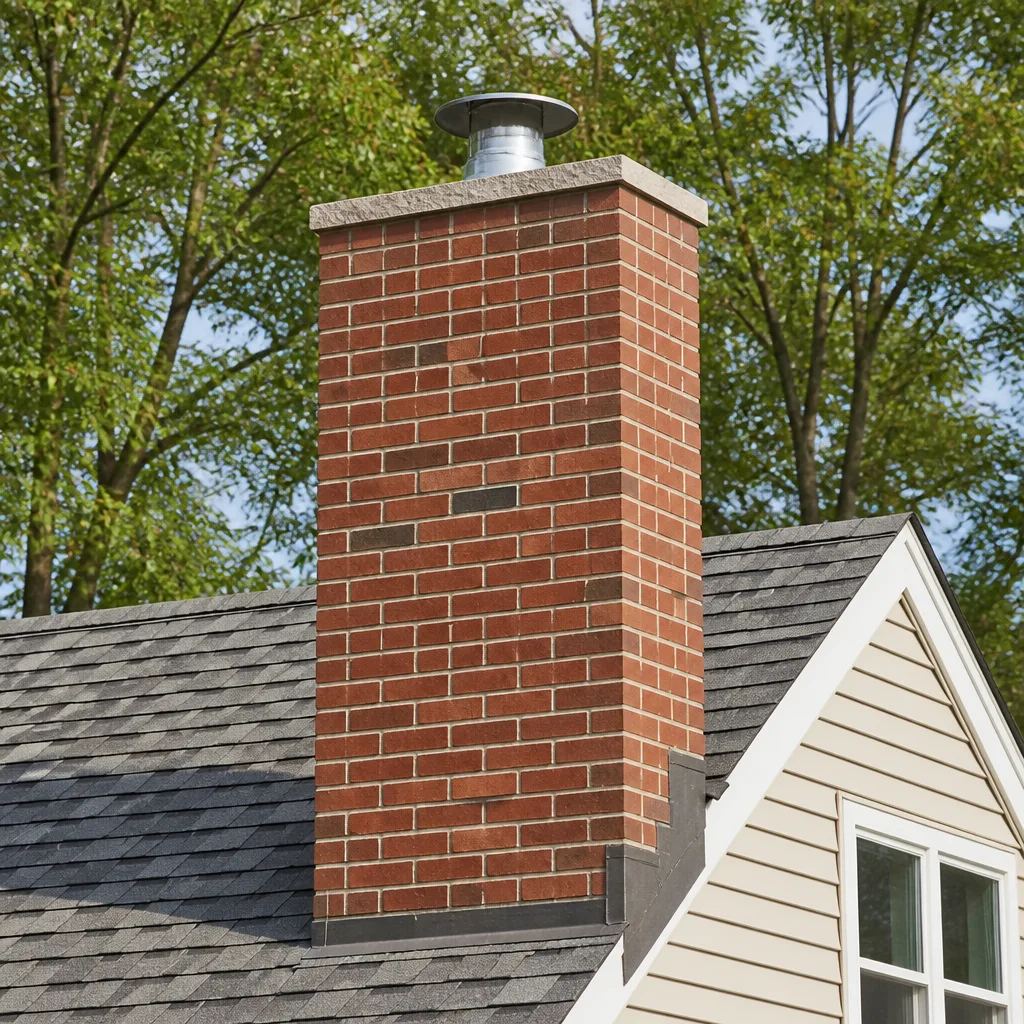
- Look at the crown and cap from the street or yard. If you can see cracking, flaking concrete, or a cap that’s tilted or missing, water has been getting in. The crown should be solid and slightly sloped to shed water. A cap with missing or rusted screening means animals may have been inside all winter.
- Check the mortar joints you can see. Walk around the house and look at the chimney from all sides. If the mortar lines look recessed, cracked, or you can see gaps between bricks, the mortar bed is failing. Push gently on any loose brick you can reach from the ground. If it moves, water is already behind it.
If either check turns up something, spring is the right time to address it. Repairs done in April and May cure better than repairs done in November, and you’ll have four months of dry weather before the next burn season. Top Hat Chimney offers a free second opinion on any written estimate, so if a national chain quoted you a liner rebuild through a door-to-door pitch, bring it to Wendell and his crew to see what’s actually needed. Your flue doesn’t care how the fire looks. It cares how it breathes.
Summer: Why an Unused Chimney Develops Odor and Moisture Problems
The strangest calls we get in July are from homeowners who haven’t used their fireplace in six months but swear something died in the wall. It’s almost always the same thing: humid summer air moving through the flue and condensing against creosote-soaked flue walls. The creosote absorbs moisture like a sponge, and when it does, it releases an odor that ranges from campfire to asphalt to something genuinely unpleasant.
In Quincy, the problem is amplified by humidity off the water. Air that’s already heavy with moisture enters the chimney through a cracked crown, a missing cap, or even just the natural draft from the firebox, and it condenses against the clay tile or steel liner. In a home near Quincy Bay or the Neponset River, we see this every summer. The flue becomes a humidity trap, and the smell that carries down into the house is the smell of creosote rehydrating.
The fix is not to burn a fire in August. The fix is to address the source of the moisture. A Chimney Cleaning & Sweep in Quincy removes the creosote that’s holding the odor. A proper cap with screens keeps rain and animals out while still allowing ventilation. And a crown seal done with the right material stops water migration through the top. Any one of these helps. All three together end the smell.
Summer Prevention: Keeping Your Chimney Dry When Nobody’s Burning
Summer is the season to do the work you were too busy to do in May. The weather cooperates, the days are long, and the repair materials cure best in warm conditions. Here’s a practical summer prevention plan:
- Schedule your annual sweep now if you missed fall. There is no wrong season to remove creosote. A clean flue smells less in summer and is ready whenever you want that first fall fire.
- Have the cap and crown inspected. If winter cracked the crown, summer is when water is still getting in. A waterproof crown seal applied in July beats any repair done in November.
- Check for animal nesting. Squirrels, raccoons, and birds all use summer chimneys as nurseries. A cap with proper screening stops this. If you already hear scratching, the animal needs to be removed before the screen goes on.
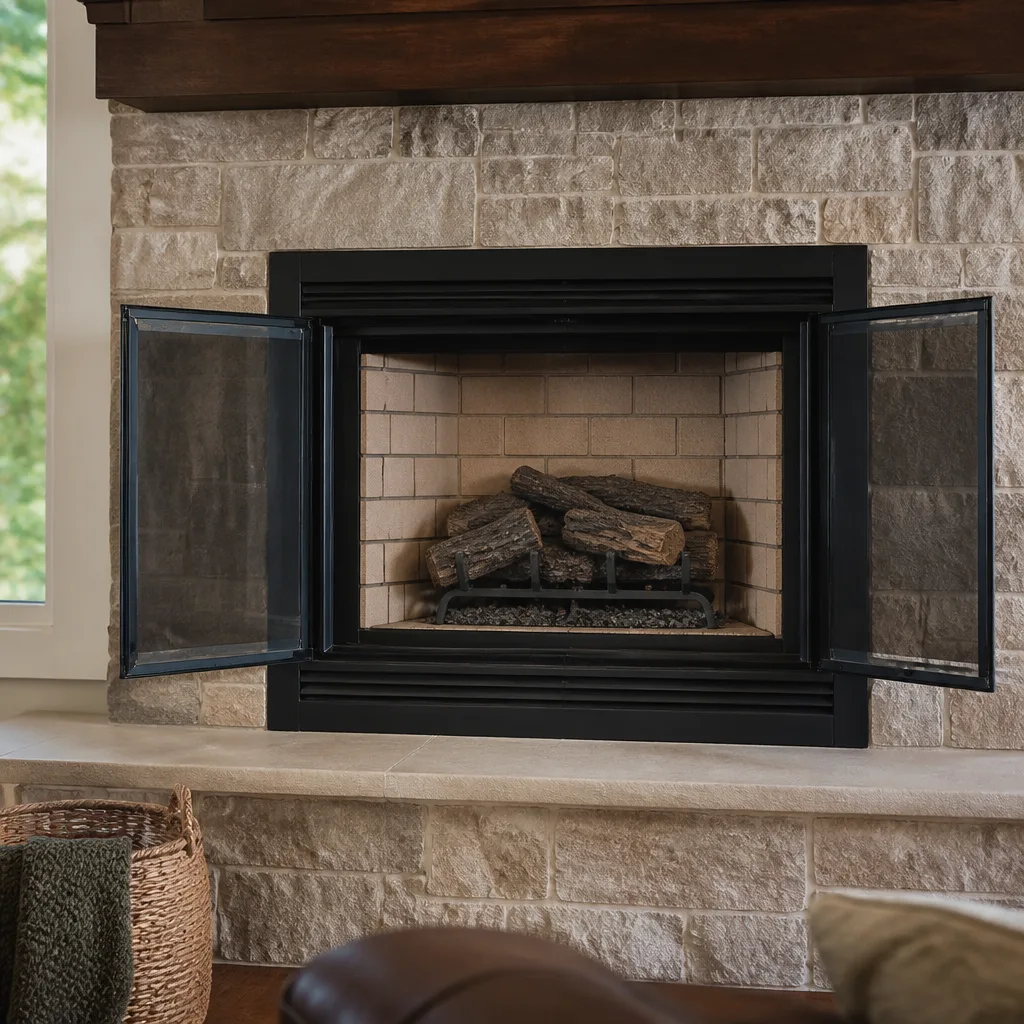
- Address water in the firebox. If you see a puddle, white streaks, or damp ash after a summer rain, water is entering from above. This does not fix itself. It gets worse every time it rains.
- Run a dehumidifier in the fireplace room if you smell mustiness. This is a temporary measure, not a fix, but it tells you that moisture is present and working against you. The permanent fix is at the top of the chimney.
The homeowner who does one or two of these things in July saves real money in December. The homeowner who ignores the smell until October usually pays for both the sweep and the water-damage repair.
Fall: The Real Timing for Cleaning Before Your First Fire
The old advice says clean your chimney before winter. The better advice: clean it before your first fire of the season, whenever that fire actually happens. For most Quincy households, that’s some point between mid-October and late November. If you usually light up around Thanksgiving, a mid-October sweep is perfect. If you’re a first-cold-night family that burns in September, you want it done in August.
There’s a practical reason for the timing. The purpose of the sweep is to remove creosote before it gets hot. Creosote builds up during every fire you burn. If you burn for a full winter and then let the chimney sit for nine months without sweeping, you light your first fire on top of last year’s entire accumulation. That’s the fire that produces the chimney fire, not the fire in February. First-degree creosote is a brush job. Third-degree is a glaze. Catch it early.
A professional sweep also does something more useful than brushing. The camera footage and a plain-English verdict, every time, no exceptions. You get to see the inside of your flue with your own eyes before anyone recommends liner work or masonry repair. That’s how it should work. If a company tells you a new liner is essential and won’t show you footage, get a second opinion. It’s free at Top Hat Chimney, and we’ll tell you when the job does not need doing.
What Happens During a Proper Fall Sweep
A real chimney sweep is more than a brush on a pole. Here’s what Wendell and his crew do on every fall job in Quincy:
- Set up drop cloths and run a HEPA vacuum. The house stays clean. No soot film on your sofa, no ash in the carpet. This is a basic expectation that too many crews skip.
- Inspect from the top down and the bottom up. Cap, crown, flue tiles, smoke chamber, damper, firebox. Every part gets looked at, not just the flue liner.
- Run the camera. You see the footage. If there’s a cracked flue tile deep in the chimney, it shows up. If the flue is clean and sound, that shows too.
- Brush the flue to the correct size. Clay tile, stainless liner, or HeatShield resurfacing all need different brush types. The sweep who uses one brush for everything is doing it wrong.
- Remove creosote from the smoke chamber and firebox. The flue isn’t the only place creosote collects. The smoke chamber is the most common place we find dangerous buildup in Quincy homes.
- Give you the plain-English verdict. No scare tactics, no upsell. If everything looks good, we say so. If something needs attention, we show you the picture and explain what happens if you wait.
Pricing is upfront before a single tool comes off the truck. The number you hear on the phone is the number on the invoice. That’s not a slogan. It’s how a local owner-operated company stays in business for 29 years in the same communities.
Winter: Mid-Season Signs That Something Has Changed
A chimney that worked fine in November can develop problems by February. The changes happen slowly, then suddenly. Here are the signs that something has changed mid-season and warrants a call before the next fire:
- Smoke enters the room when you light a fire. A flue that drafted fine in December but pushes smoke in February is telling you something. Cold air, animal obstruction, or a damper problem. None of them fix themselves.
- You smell something sweet or acrid even when there’s no fire. That’s creosote in the flue, and it’s concentrated. A hot enough fire could ignite it.
- You hear scratching or fluttering. An animal got in because a cap failed or was never installed. Do not burn a fire to smoke it out. You’ll fill your house with smoke and likely kill the animal, leaving you with a bad smell and a blocked flue.
- The damper is hard to open or won’t stay open. Rust and creosote gunk can freeze a damper in place. Forcing it can break the mechanism. Call someone who knows how to free it properly.
- You see water dripping in the firebox during rain or snow. The crown or flashing has failed, and water is entering live. Ice on the roof accelerates this, and every storm makes it worse.
Any one of these is a reason to stop burning until the chimney is checked. The fix is usually small if caught early and expensive if ignored. Ask anyone on your street. Somebody has already learned this the hard way.
How Quincy’s Coastal Location Accelerates Chimney Deterioration
Quincy is not a generic New England town. The city sits on Boston Harbor and the Neponset River, and that saltwater proximity changes how chimneys age. Salt spray and marine air carry chlorides that work into masonry and accelerate spalling. Brick that might last 80 years in Milford gives out in 50 in Houghs Neck or Squantum because salt crystallizes inside the pores and pushes the surface off.
Add winter road salt, which gets tracked onto roofs and washes down into chimney flashing, and you have a steady chemical assault on mortar and metal. Stainless steel caps and copper flashing resist this longer than galvanized alternatives, which is why brands like Copperfield and DuraFlex are the standard for coastal Quincy homes. A cheap galvanized cap from a home center will rust through in three winters near the water. A proper copper or stainless cap lasts decades.
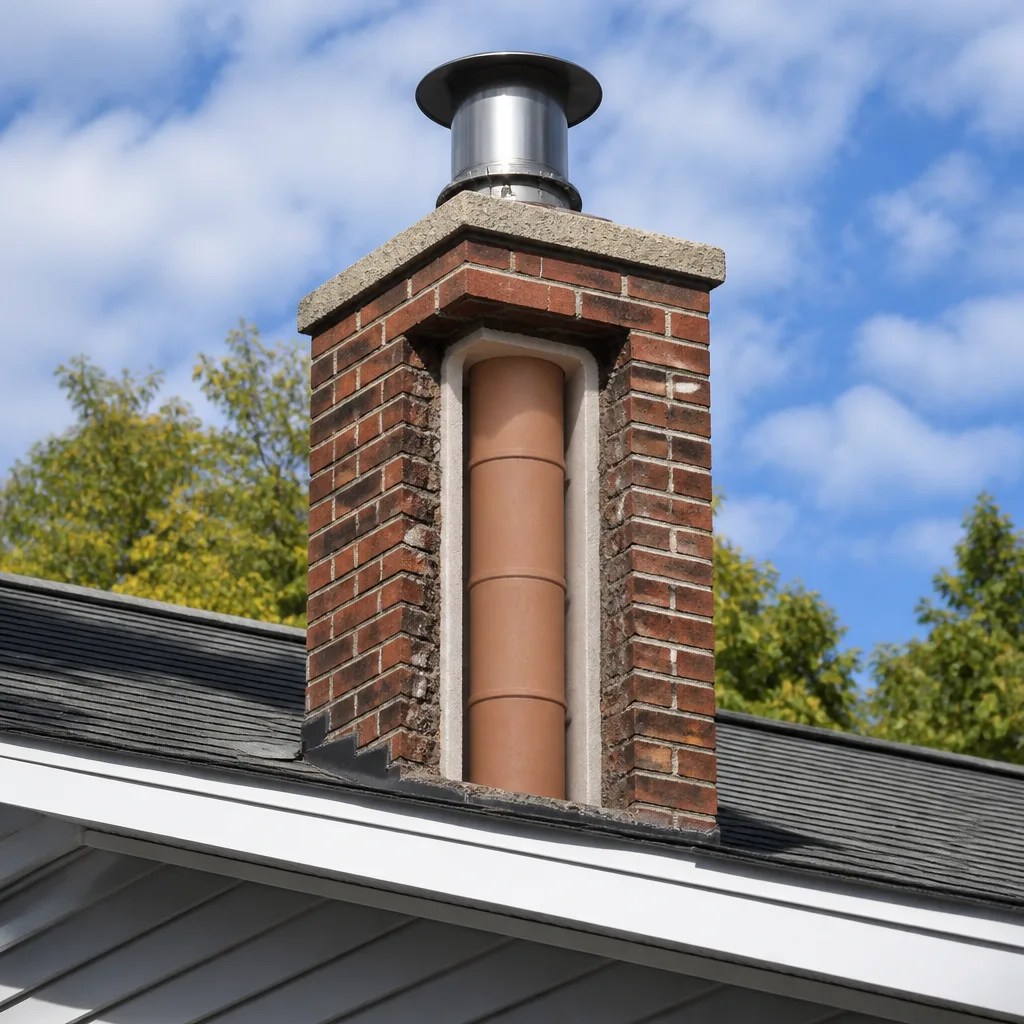
The same salt exposure matters for flue liners. A clay tile liner in a coastal chimney is more vulnerable to water penetration, because the water itself carries salt that corrodes the mortar between tiles. When we rebuild liners in Quincy, we use materials that handle the marine environment. Homeowners near the water should expect to replace caps and flashing about twice as often as their inland neighbors, and they should consider an annual crown check as part of the routine.
Common Mistakes to Avoid
- Waiting until the first cold snap to book a sweep. Every chimney company in Quincy is booked solid the week after the first frost. The homeowner who calls in August gets their choice of appointments. The one who calls in October gets whatever’s left.
- Assuming no fires means no problems. An unused chimney still takes on water, still attracts animals, still develops odor. The masonry does not know you took a year off from burning.
- Ignoring a smell because “it goes away when it rains.” A smell that comes and goes is moisture reacting with creosote. The creosote and the moisture are both still there. The smell will return until both are removed.
- Trusting a door-to-door estimate for a liner replacement. This is the most common scam in the chimney industry. A stranger knocks, quotes you $6,000 for a liner you don’t need, and vanishes. Before you commit to anything, get a free second opinion from a sweep with a published address and license number.
- Using a fire to “clean out” the chimney. Burning a hot fire does not clean a flue. It can ignite the creosote and cause a chimney fire. A brush cleans a flue. Fire does not.
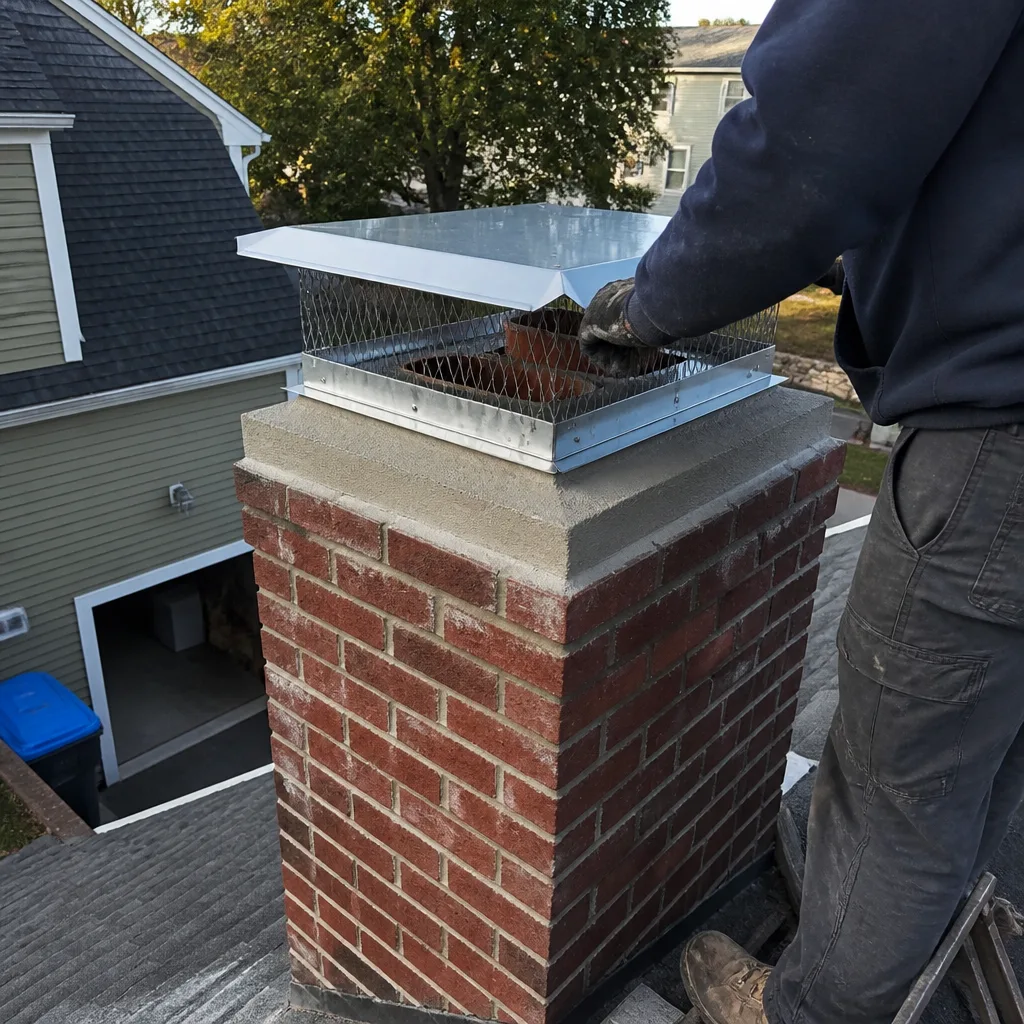
- Forgetting the cap. A missing cap is the single most common entry point for water, animals, and debris. It’s a $150 fix that prevents $1,500 in damage. Few things in home maintenance have that kind of return.
- Assuming all sweeps are the same. The difference between a brush-on-a-pole service and a full inspection with camera footage is the difference between knowing your flue is clean and hoping it is. E-E-A-T rule: camera footage and a plain-English verdict, every time, no exceptions.
When to Call a Professional
You should call a chimney professional in Quincy when you see water in the firebox, smell creosote outside of burning season, hear animals in the flue, or notice smoke entering the room when it didn’t before. You should also call if your chimney is 15 years or older and hasn’t been inspected with a camera. A visual check from the ground catches the obvious problems. The camera catches the ones that burn houses down.
The cost of a sweep and inspection in Quincy runs between $180 and $340, depending on the flue type and condition. That’s a small number compared to a chimney fire or a water-damaged wall. Top Hat Chimney offers free estimates in Quincy, and Wendell never recommends work he can’t show you in a picture. Call (781) 277-4630 to book a sweep or ask a question. A live person answers, around the clock, and it may well be Wendell himself picking up.
Frequently Asked Questions
A chimney sweep in Quincy generally costs between $180 and $340, depending on the flue type, the amount of creosote, and whether the chimney has a liner system. The number you get on the phone should be the number on the invoice, and at Top Hat Chimney it always is. Call (781) 277-4630 for an exact quote. Estimates are free.
Sweep your chimney once a year, regardless of how often you burn. Homes near the water in Quincy face extra moisture and salt exposure that make annual inspection even more important. If you burn more than two cords a season or burn green wood, you may need a mid-season sweep as well.
Not necessarily. Sometimes a cracked flue tile is cosmetic and can be handled with a HeatShield resurfacing. Sometimes a liner is genuinely shot and needs replacement. The only honest way to know is to see camera footage of the inside of the flue. We show you the footage and explain what it means. If another company won’t do that, bring their written estimate to us for a free second opinion.
Skipping the sweep means creosote builds up inside your flue. At a certain thickness, a hot fire can ignite it. The result is a chimney fire that can top 2,000 degrees and crack the liner, the masonry, or spread to the house. Even if no fire occurs, built-up creosote holds moisture and creates odor. The first-degree creosote is a brush job. The third-degree is a glaze. Catch it early.
Humid summer air moves through the flue and condenses against creosote on the flue walls. The creosote absorbs moisture and releases an acrid odor. In Quincy’s coastal humidity, this is common. The fix is a sweep to remove the creosote, plus a proper cap and crown seal to keep moisture out.
You can buy a brush at the hardware store, but you’ll be working on a roof without the training, the right brush size, or the camera to see what you missed. Most importantly, a professional cleanup includes an inspection-be sure you understand Chimney Cleaning Permits, Codes & Inspections in MA: What You Need to Know-that catches liner cracks, cap failures, and water damage before they become serious. For a few hundred dollars, you get the sweep and the diagnosis. For the cost of a brush, you get neither.
The Bottom Line
Your chimney takes damage in winter, holds moisture in spring, incubates odor in summer, and faces its highest creosote risk in fall. A year-round approach in Quincy means checking the crown and mortar in spring, managing moisture and animals in summer, sweeping before your first fall fire, and staying alert to smoke and odor changes through winter. Each season catches what the previous one set in motion. The homeowner who follows the full cycle catches problems at $300 instead of $3,000. The one who waits for the smell catches them at the top of the invoice. That’s the whole difference.
Written by Wendell Pike, Owner at Top Hat Chimney, serving Quincy since 1999.