
Level 1 sweep and inspection to the NFPA 211 annual standard - flue, crown, cap, and flashing checked and photographed
Chimney sweep logs do not sweep chimneys. They loosen some creosote - which then falls where a brush and vacuum still have to collect it.
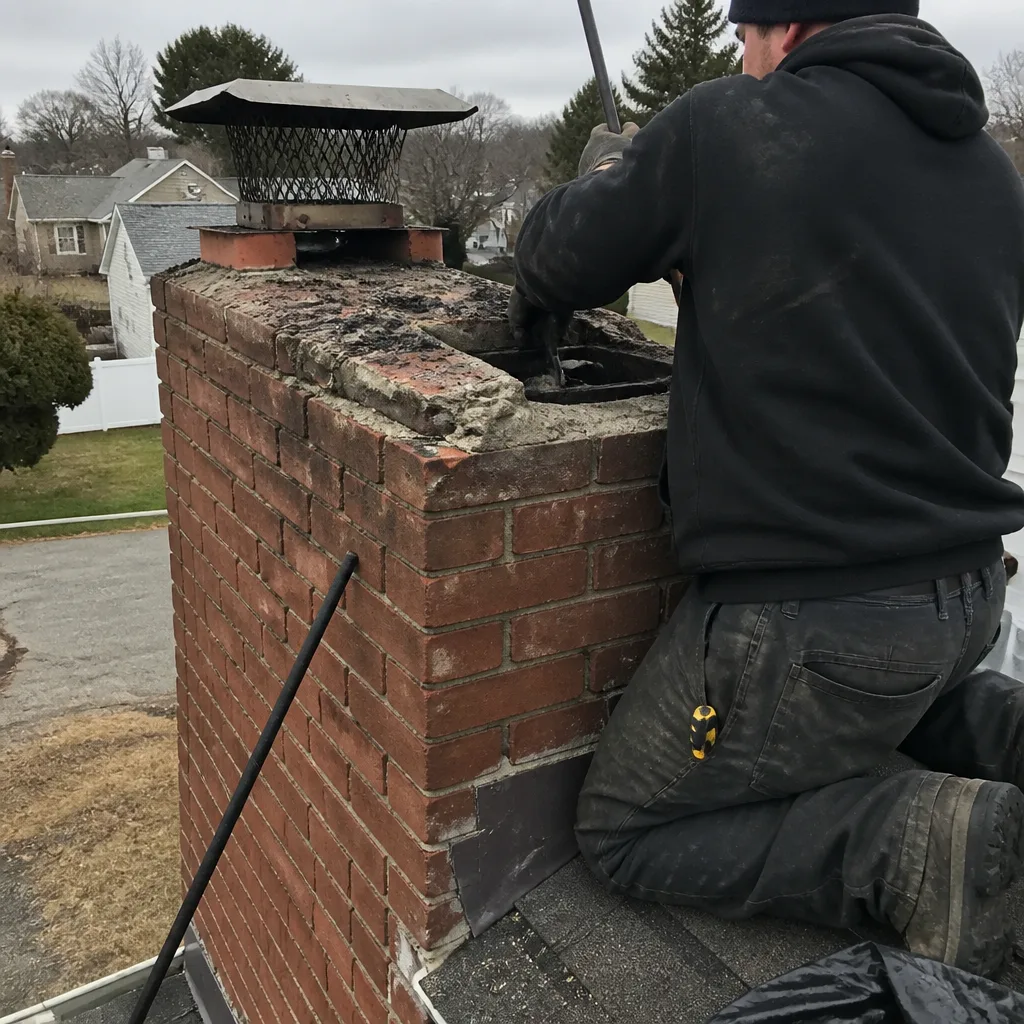 Before
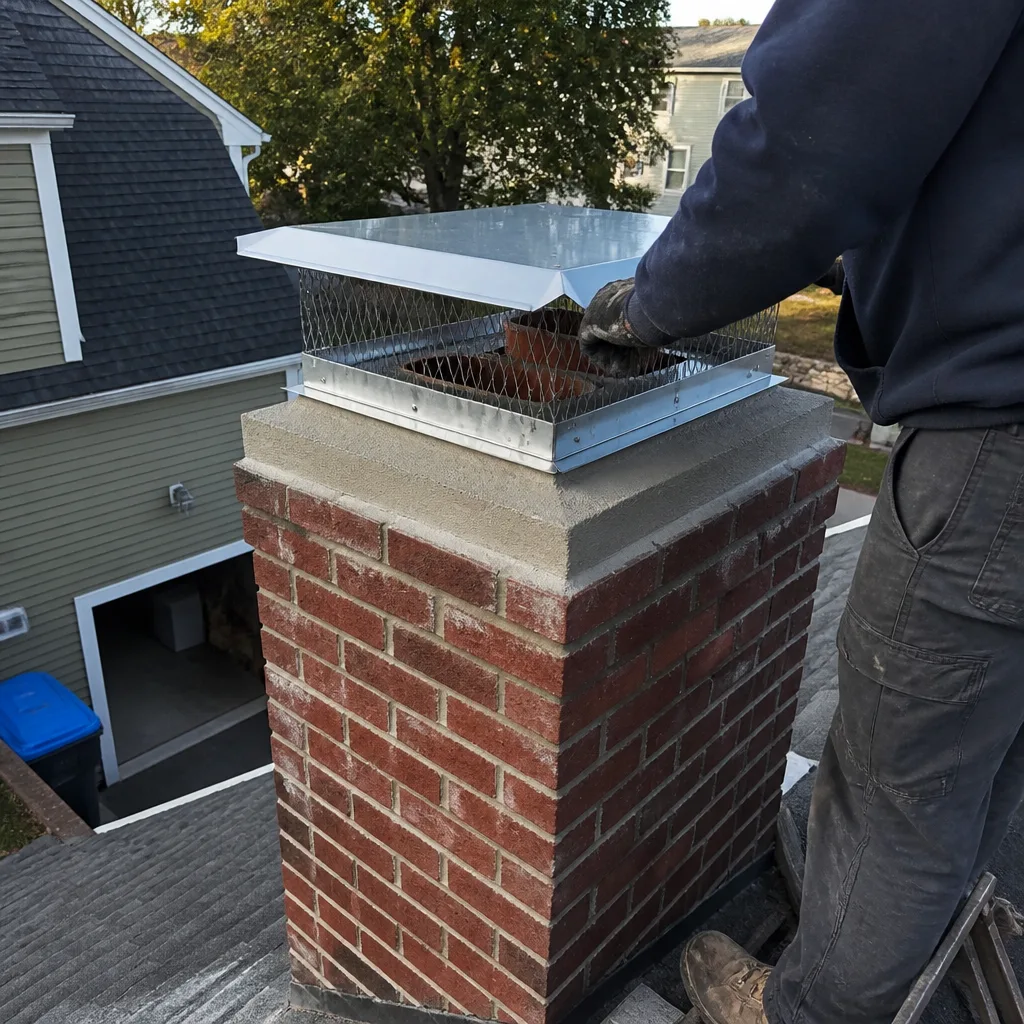 After
After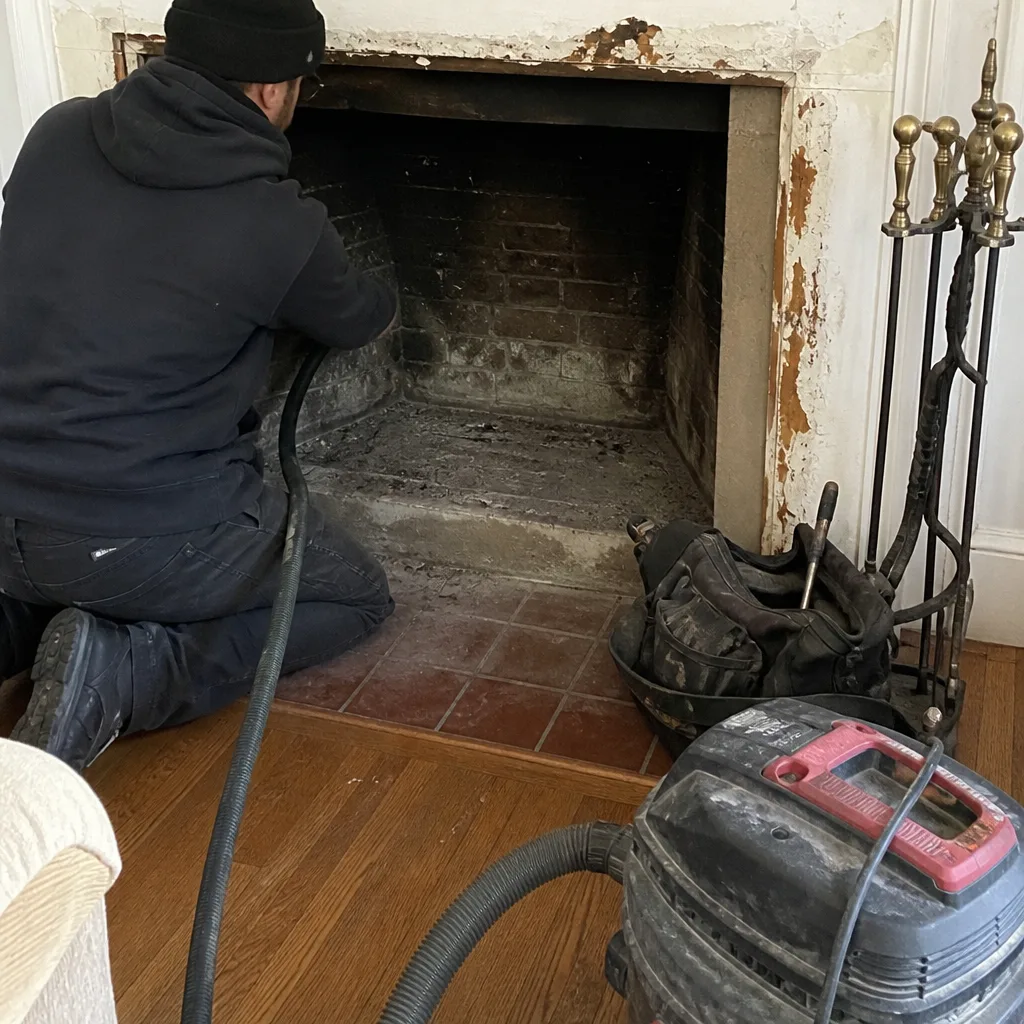 Before
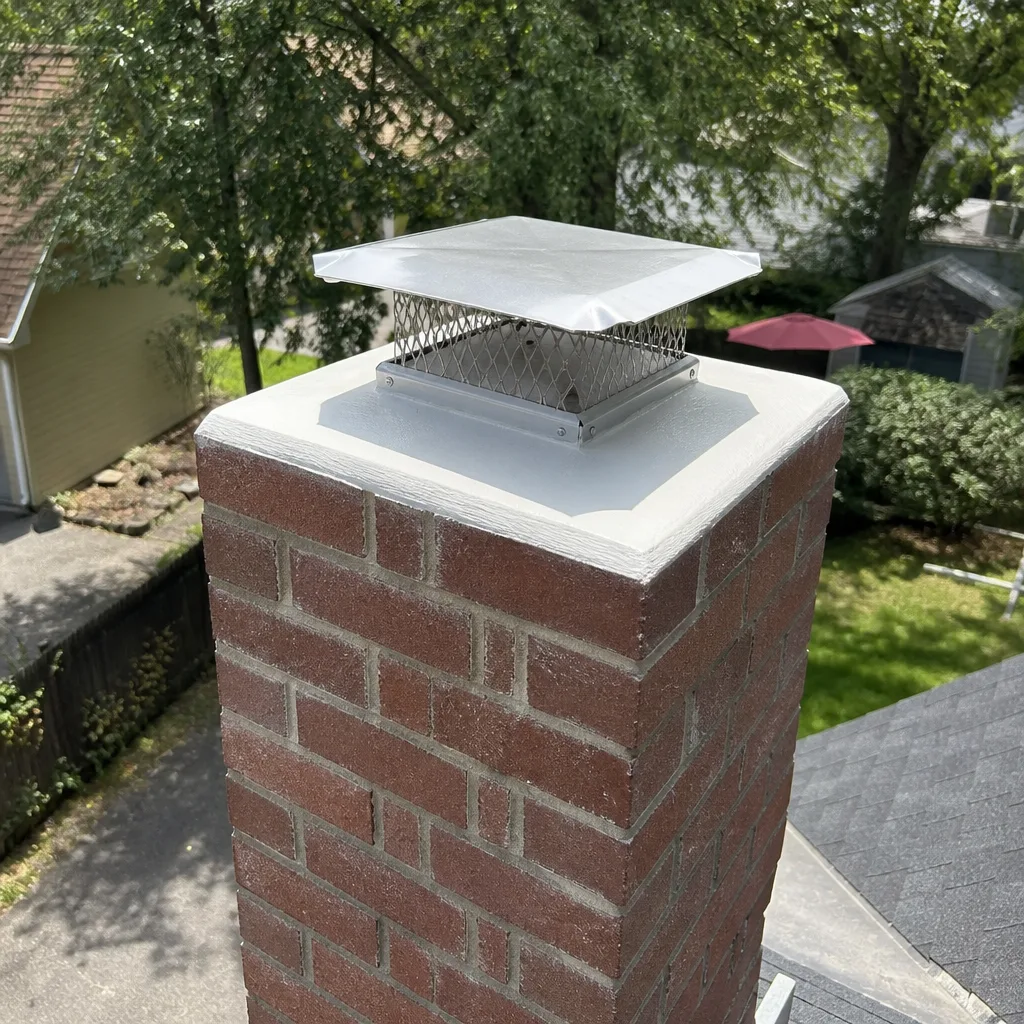 After
After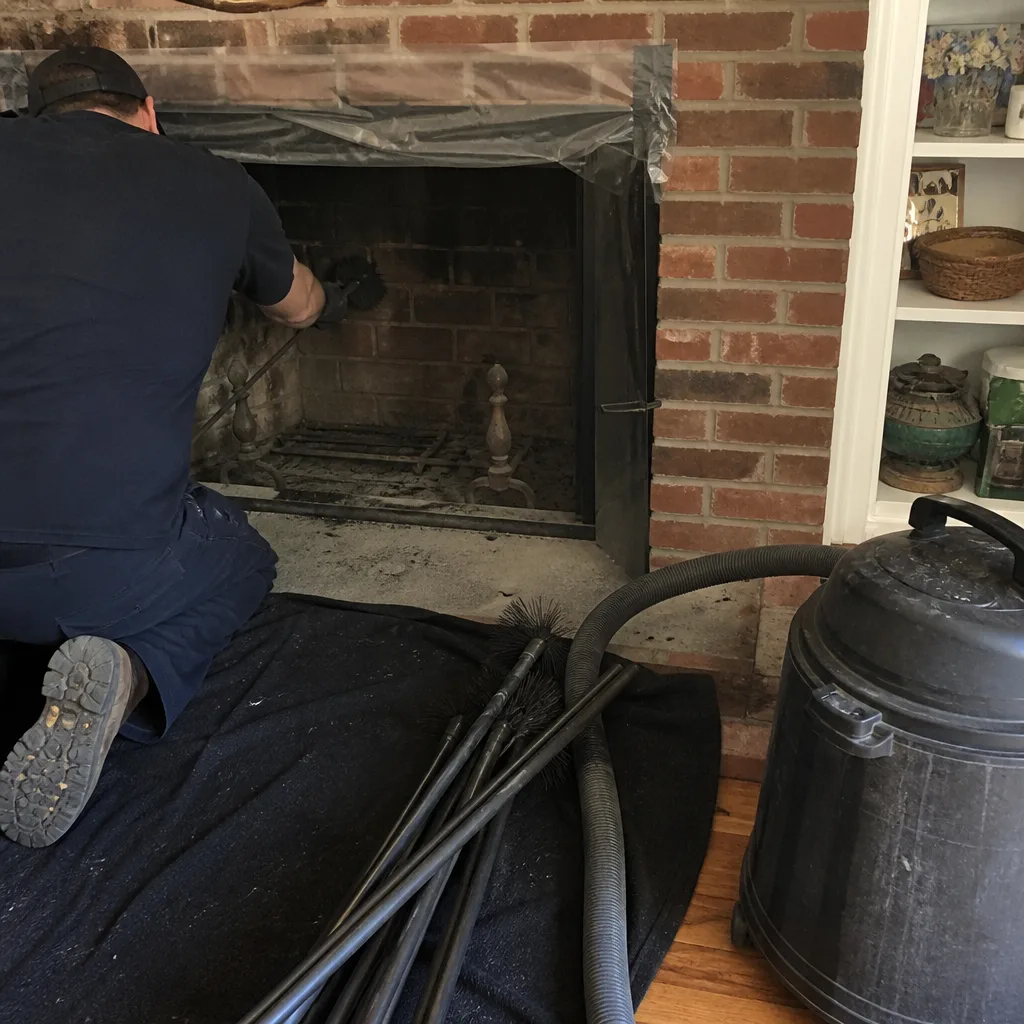 Before
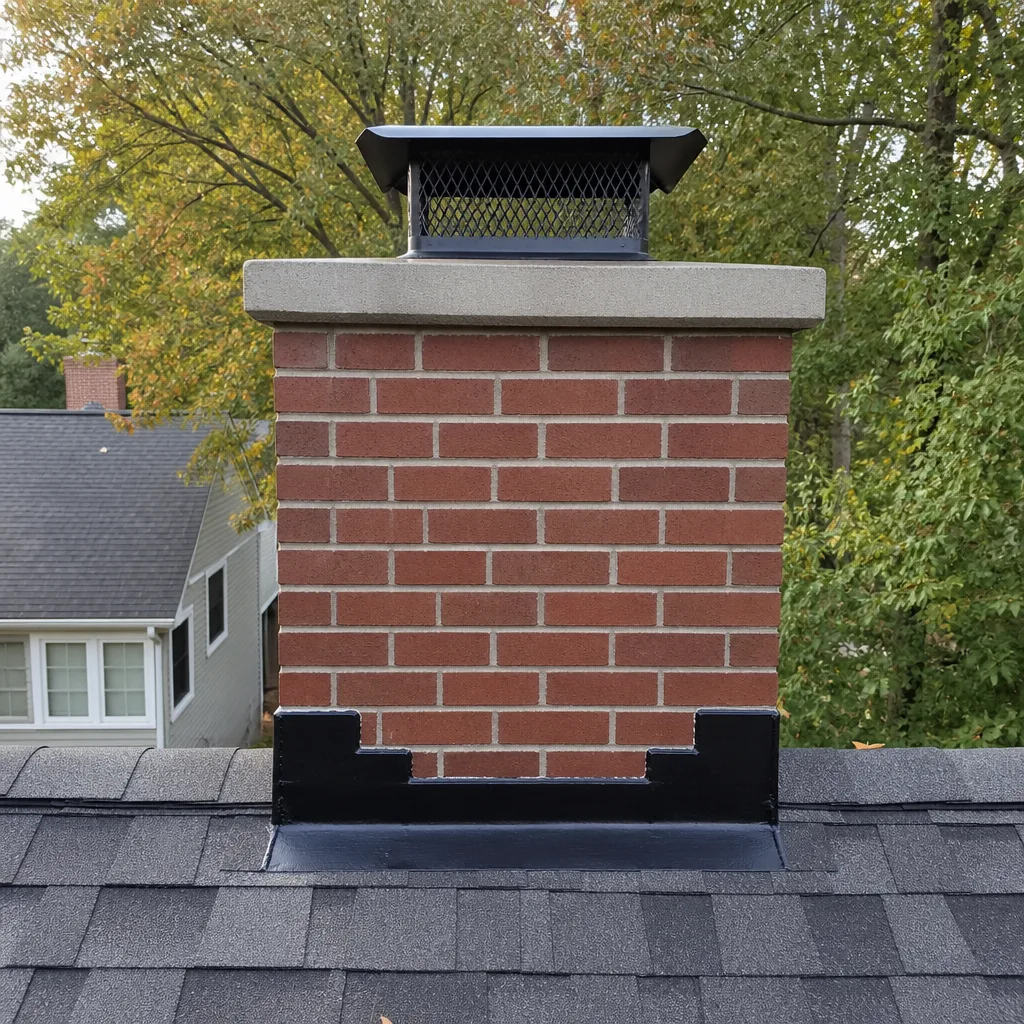 After
AfterCopperfield Chimney Cap Installation: The Quincy Owner’s Guide
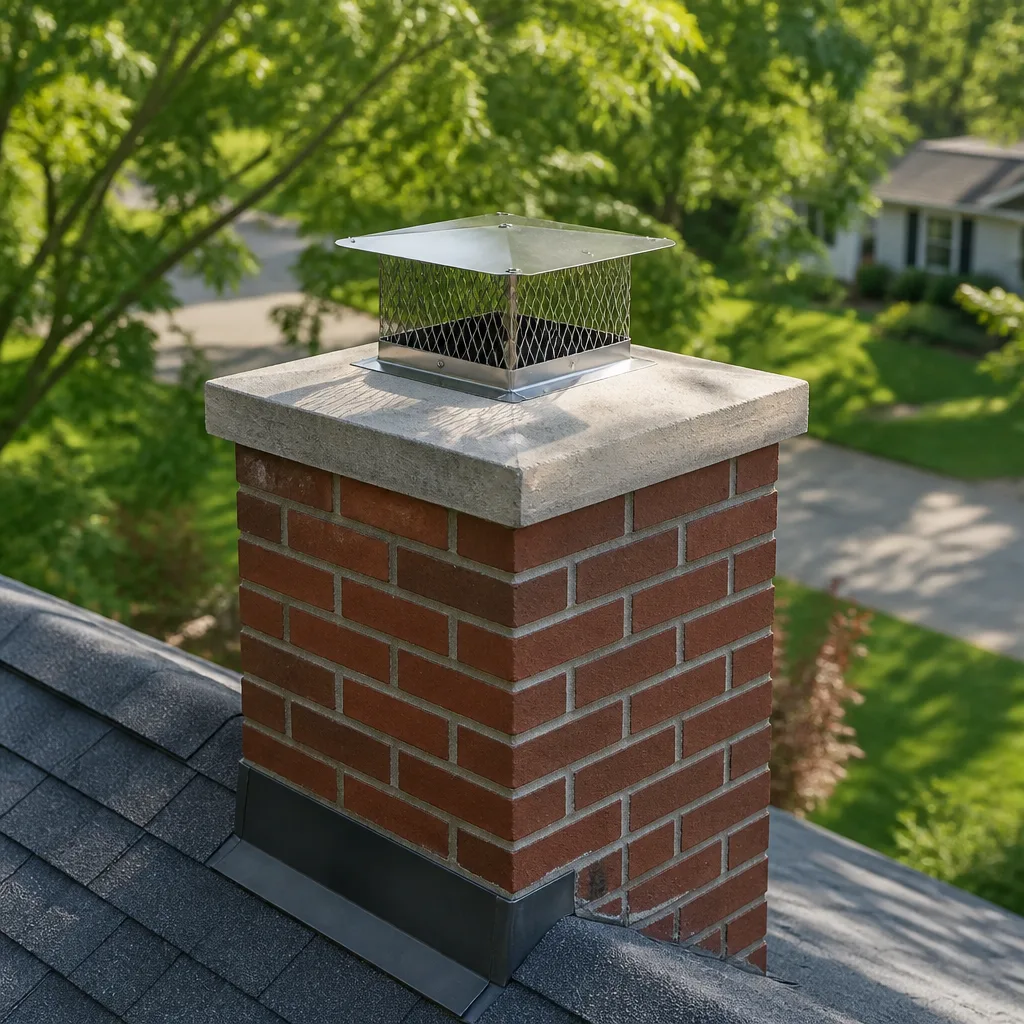
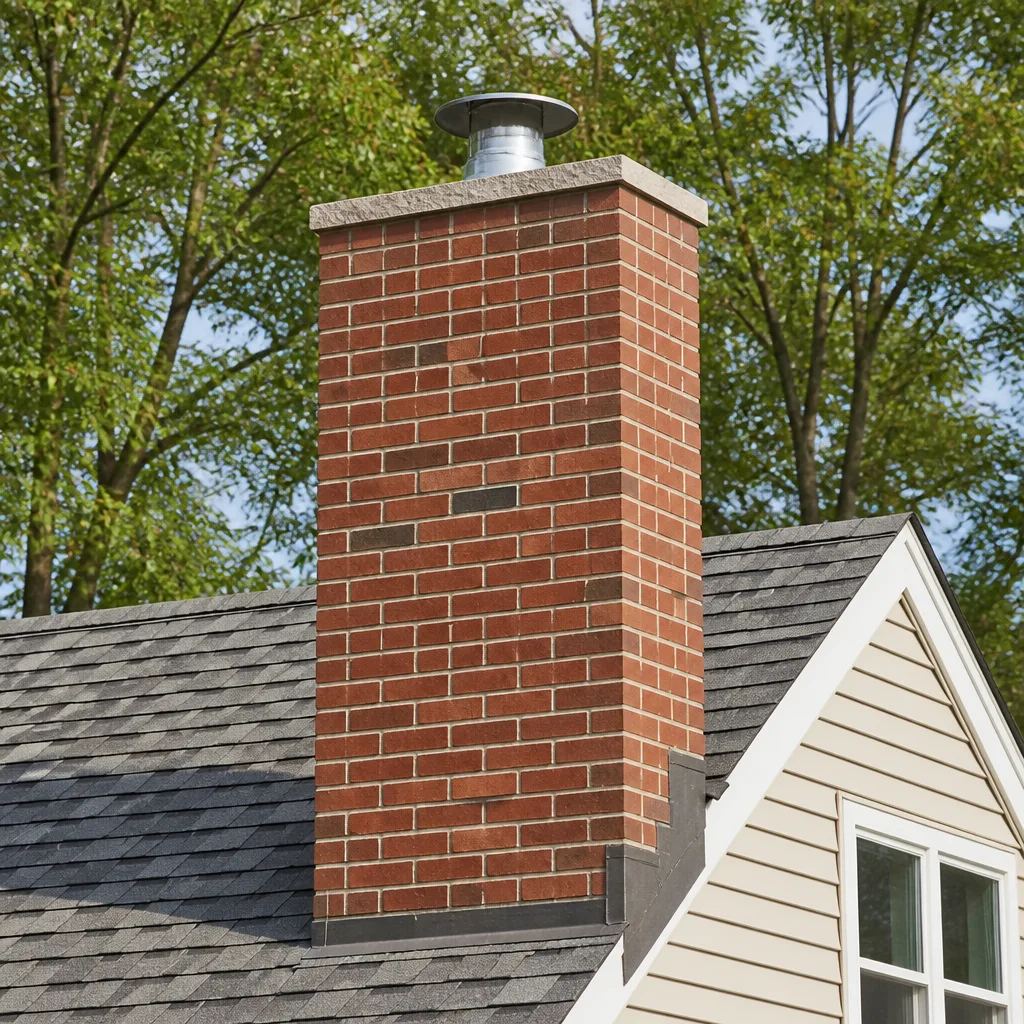
We install and replace Copperfield chimney caps throughout Quincy, and most jobs run between $425 and $725, depending on the flue size and whether your existing cap base is still sound. The part itself can often go on the same day, since we keep a range of Copperfield-compatible sizes on the truck. Most folks find out they need this work when the old cap starts letting water down the flue, or when a windstorm leaves a dented piece of steel hanging off the crown.

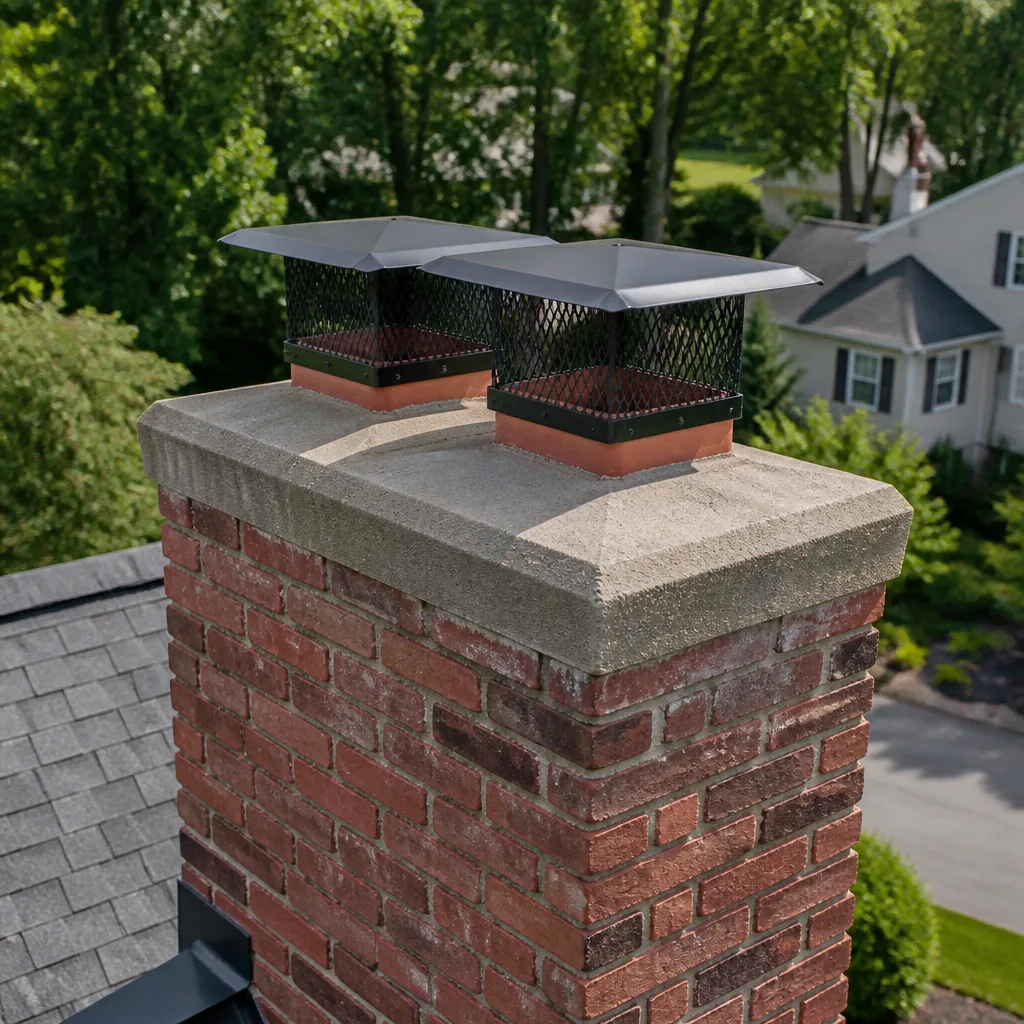
Copperfield builds caps in two families we see constantly around the older capes and colonials from Adams Shore up through the quarries. The single-flue caps, which fit standard 8×8 and 8×13 terracotta tiles with slip-in legs, and the custom multipurpose caps with interchangeable mesh sides. When you call, we’ll ask whether it’s a round or square flue, and roughly the outside measurement of the tile. That tells us which part to load before we hit the road.
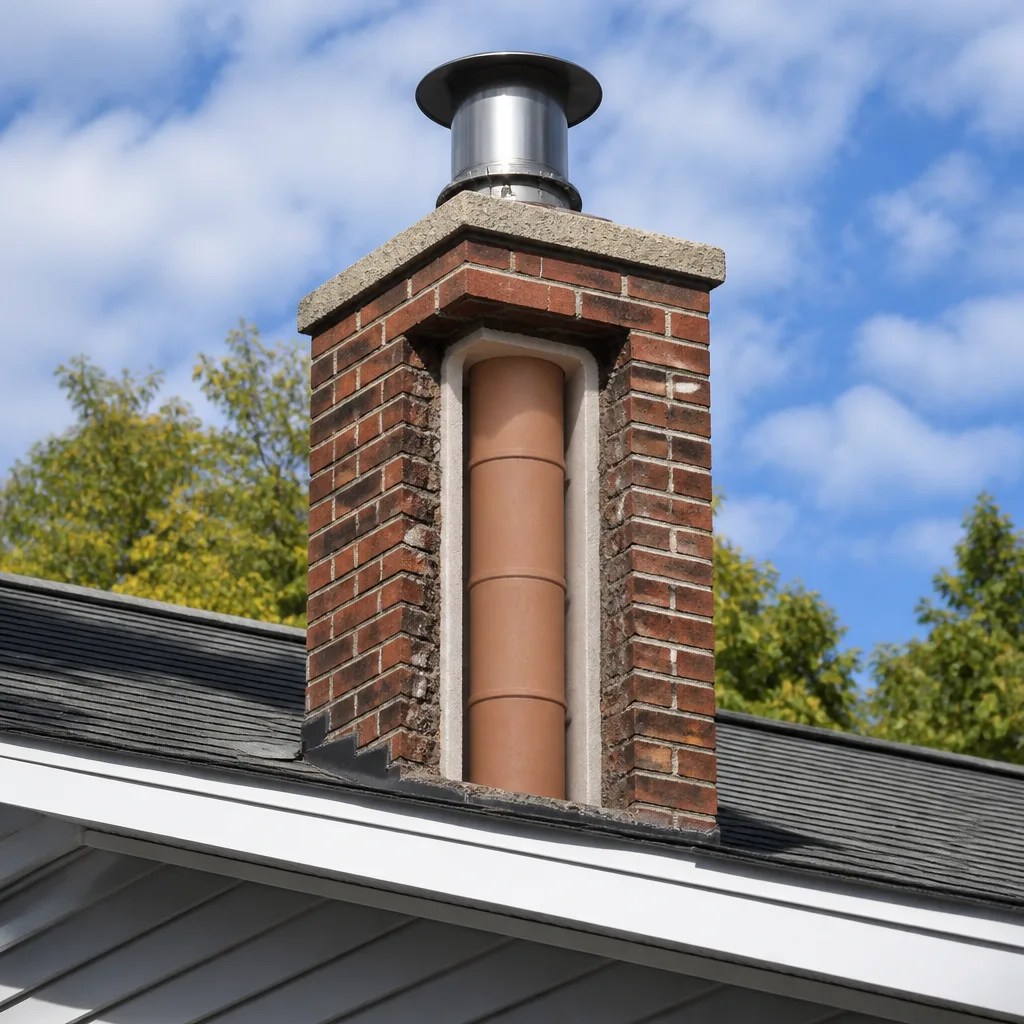
Here’s what matters before you buy anything: the cap is only as good as the crown it sits on. We’ve replaced plenty of Copperfield caps in Quincy where the real problem was a cracked crown underneath. The cap was fine. The water was getting in below it. If you’re not sure which is which, the camera check costs you nothing to have done before you commit to the repair.
Which Copperfield Models This Applies To
Most Copperfield caps sold for masonry chimneys fall into two series: the standard slip-in single-flue caps, and the bolt-on multi-flue or oversized caps made for chase tops or wide brick shoulders. The single-flue units will fit any standard square, round, or rectangular flue tile that falls within an inch or so of the listed size, but here’s a compatibility gotcha on older Quincy homes: if your terracotta extends above the crown less than an inch and a half, the legs on a slip-in cap will not bite. You’d need a leg kit or a bolt-on style instead.
Look at the old cap before you order anything. Copperfield stamps a size and model code on the underside lip or on one leg, something like “8×8 slip” or “13 round 2 3/4 topper.” If the stamp is gone, the outside measurement of the flue tile is the number that matters: measure side to side across the tile, not the old cap, to keep the fit right. We will not sell you a cap based on a guess. If the tile is cracked or the mortar has eroded around it, the new cap will wobble no matter the brand, and that gets fixed as part of the job.
For the record, Top Hat Chimney is an independent service company, not affiliated with Copperfield. We choose to carry their parts because time on roofs across Norfolk and Suffolk counties has taught us what survives a New England winter. That said, when a Copperfield part is backordered or a proprietary size is discontinued, we will tell you straight and offer an equivalent in DuraFlex or Olympia if the fit is honest and the metal gauge matches. You’ll never catch us putting a flimsy cap on a chimney that faces the bay.
Signs Your Copperfield Chimney Cap Installation Is Failing
- Water in the firebox after rain. This is the most common call we get from Quincy owners. If the cap’s mesh has rusted through or the legs have come loose, rain gets a straight shot down the tile. The water may not even show as a puddle; sometimes it’s just damp masonry and a sour smell in the off-season.
- Wind noise or a fluttering sound in the throat of the chimney. A cap that’s shifted lets air move across the flue opening the wrong way, and you’ll hear it on gusty nights. The cap may still look fine from the ground. From the roof, the mounting legs will show the wobble.
- Rust streaks on the crown or down the brick face. Copperfield stainless steel is good metal, but the hardware and leg brackets can let go over time. Rust stains under the cap usually mean water is hanging out there instead of draining off.
- Debris inside the firebox or damper. Leaves, seeds, and nest material around the damper mean the cap’s mesh has blown out or the screen is missing. We’ve pulled whole squirrel nests from flues where the cap looked perfect from the ground.
- Draft problems that got worse over time. A cap that’s lost its mesh is also losing its wind-resistance design. If your fireplaces or stoves have started smoking on startup, and the issues appeared gradually, the cap is often part of the story.
Replacement Cost & What’s Included
A Copperfield cap installation in Quincy runs from about $425 for a straightforward single-flue swap to $725 or so if the old cap has to be cut off, the crown needs spot repair, or custom leg fabrication is required. Genuine Copperfield stainless caps in standard residential sizes fall between $140 and $320, and the balance is the rooftop labor, attachment hardware, and sealing work. It’s honest math: you’re paying for the piece of steel, the hands that strap onto a roof in March, and a crew that will stand behind the install.
What always gets included: removal of the old cap, a close-up look at the crown and flue tile, and a photo of the finished work from the roof. If the crown is cracked and letting water in around the base of the cap, we will say so before adding work to the books, and we’ll show you the picture. Every job carries the 90-Day Done Right Promise, in writing. If the cap shifts, leaks, or simply wasn’t set right, one call brings Wendell and the crew back. No argument, no second invoice.
DIY or Call Us?
If you can safely get to the chimney, and you just want to confirm what size and model you have, we’ll help you do that over the phone. A picture from your phone, texted to the office, is usually enough for us to identify whether you’re working with an 8×8 slip-in or a bolt-on base. But actually swapping a cap on a pitched Quincy roof is a different matter. You’re on a ladder, on a slope, usually with a drill in one hand, reaching over the flue. And if the chimney is tall or the pitch is steep, one slip is not worth the money you’d save. Falls from roofs are real, and they happen to careful people too.
If the cap is loose but you’ve got a flat roof, a good head for heights, and a stable spot to work, a simple slip-in swap is something a careful homeowner can handle. If the old legs are rust-welded or the flue tile is chipped, call us. The number is (781) 277-4630. We’ll come out and assess it, and if it doesn’t need attention, we’ll tell you that too.
FAQs
Copperfield caps in this area will commonly last 12 to 18 years. The steel itself holds up longer than the hardware, especially where salt air off the bay keeps moisture in the air. The mesh is what fails first. If your cap is over 15 years old and the mesh is pulling away or the legs show white corrosion, it’s time to think about a new one. Call (781) 277-4630 for a straight assessment.
Small repairs are possible when the damage is isolated to the mesh or a single leg bracket. But once the base plate warps or the leg welds break, the repair cost approaches the price of a new cap. We will always tell you if a $60 repair will buy you three more years. If it won’t, we’ll say that too.
Most single-flue Copperfield cap replacements run under an hour once the crew is on the roof and set up. If the old cap needs to be ground off or the crown requires patching, add a little time. Either way, it’s a single-visit job, and you’ll get a real arrival window the day before.
We keep the common Copperfield slip-in sizes on the truck for Quincy area calls: 8×8, 8×13, 13×13, and the 13″ round. If you’ve got an unusual size or a discontinued finish, we’ll order it and schedule the install once it’s in hand. We don’t collect a deposit before the part is sitting in the shop.
Written by Wendell Pike, Owner, Top Hat Chimney at Top Hat Chimney, serving Quincy and nearby areas.