
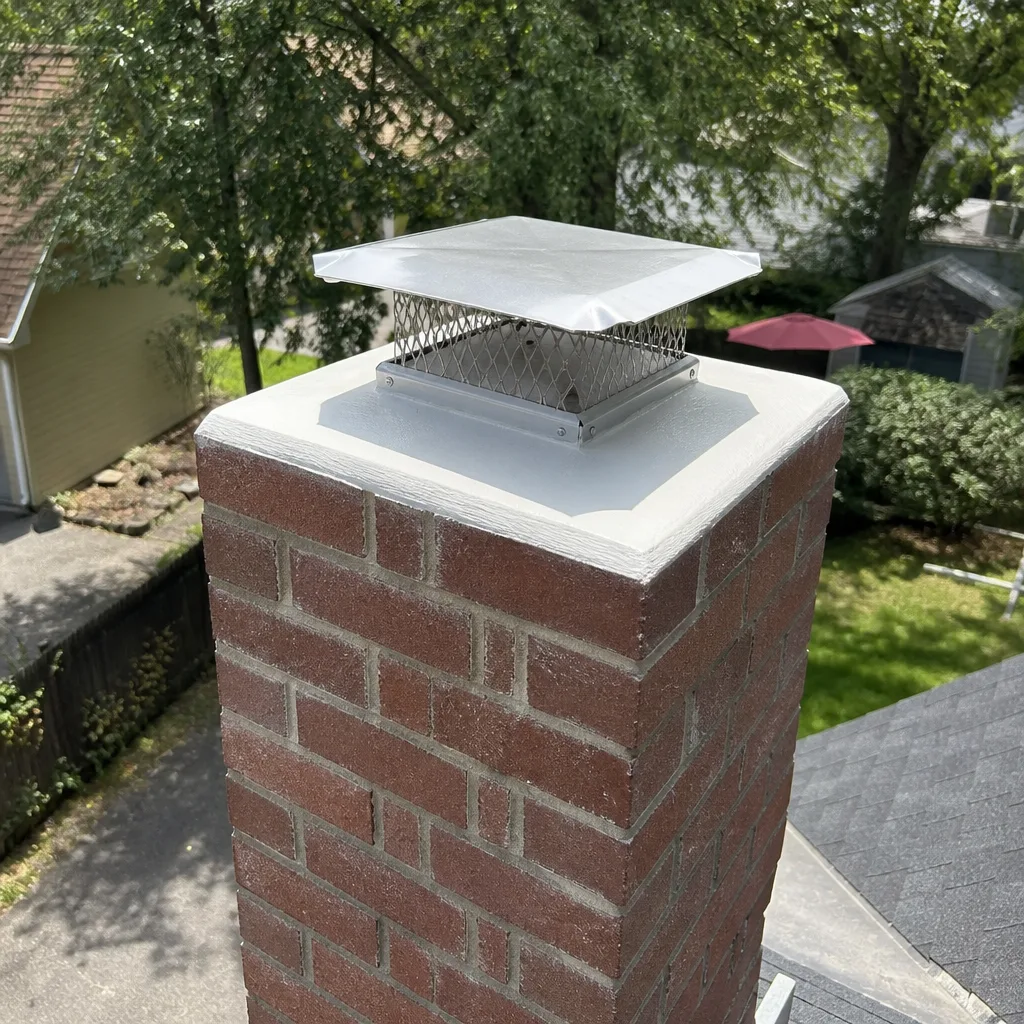
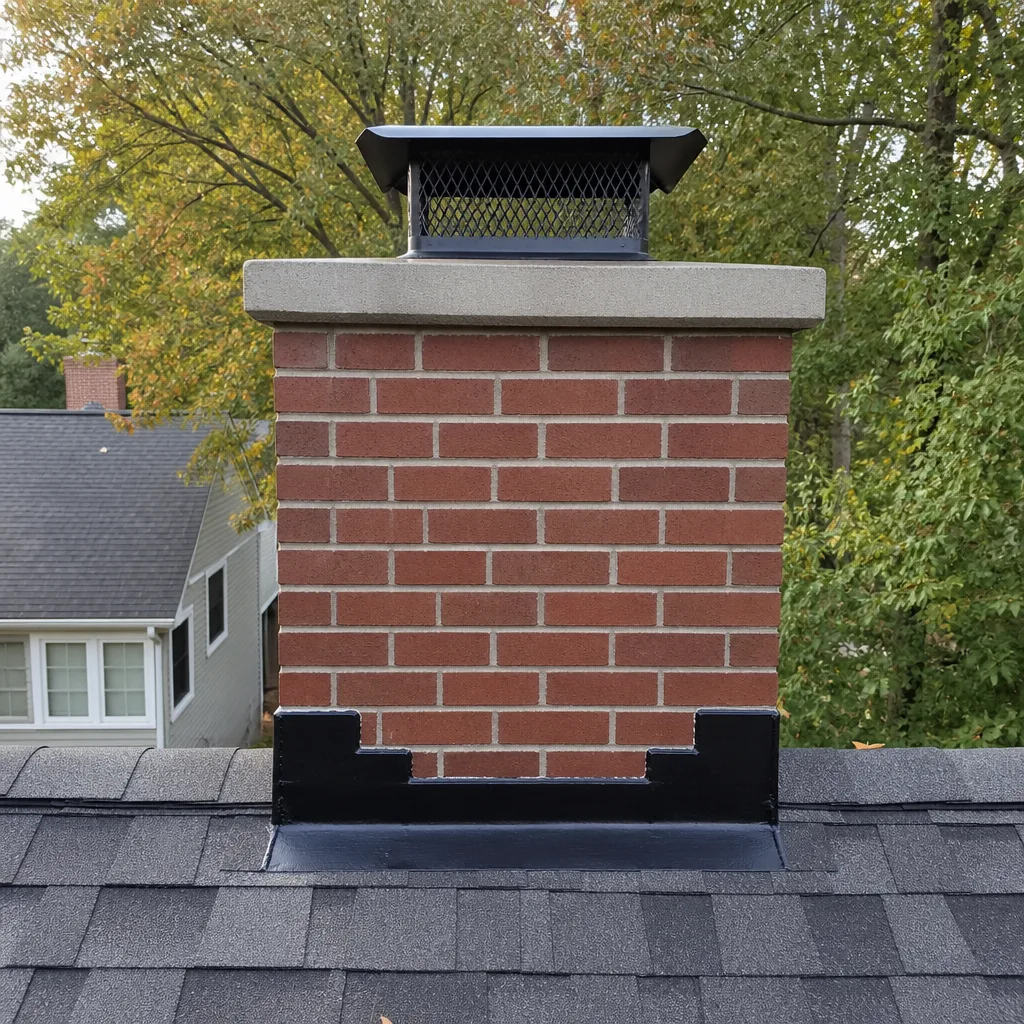
Level 1 sweep and inspection to the NFPA 211 annual standard - flue, crown, cap, and flashing checked and photographed
Chimney sweep logs do not sweep chimneys. They loosen some creosote - which then falls where a brush and vacuum still have to collect it.
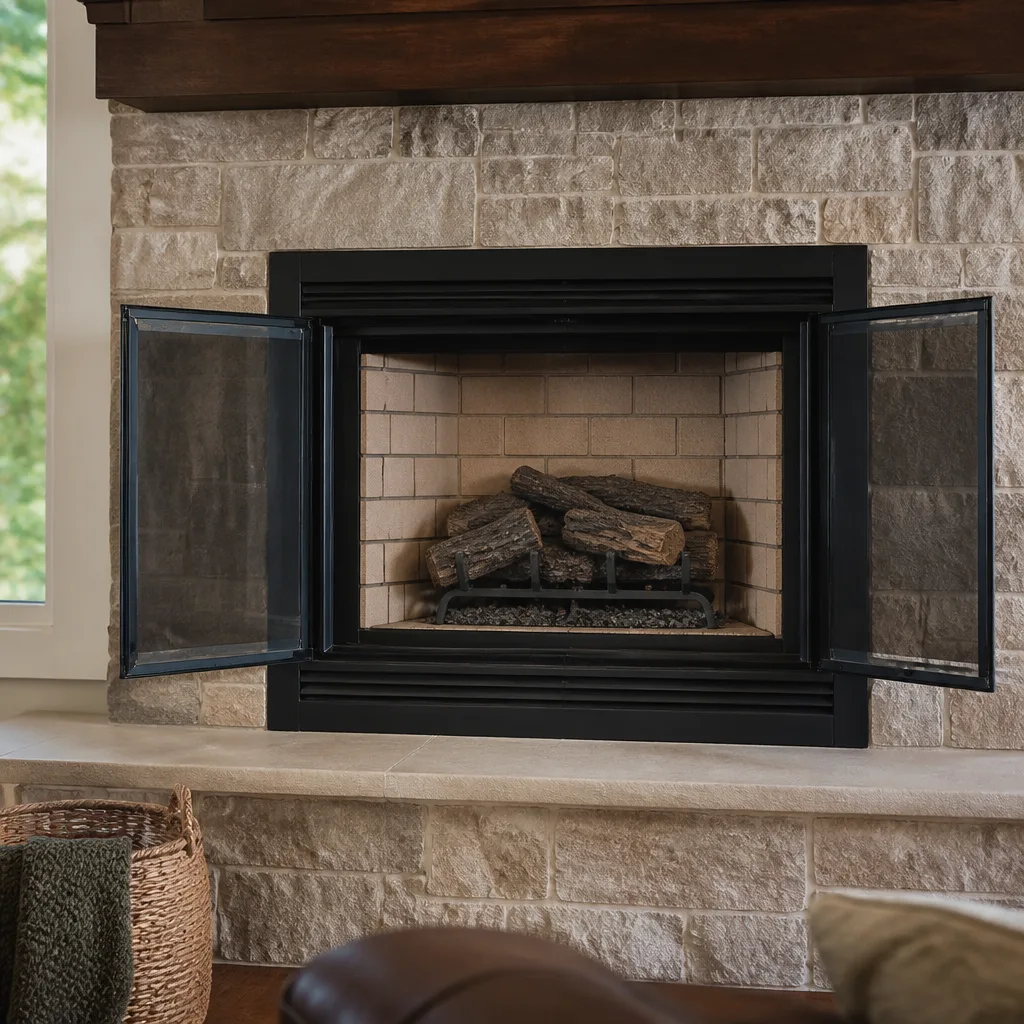
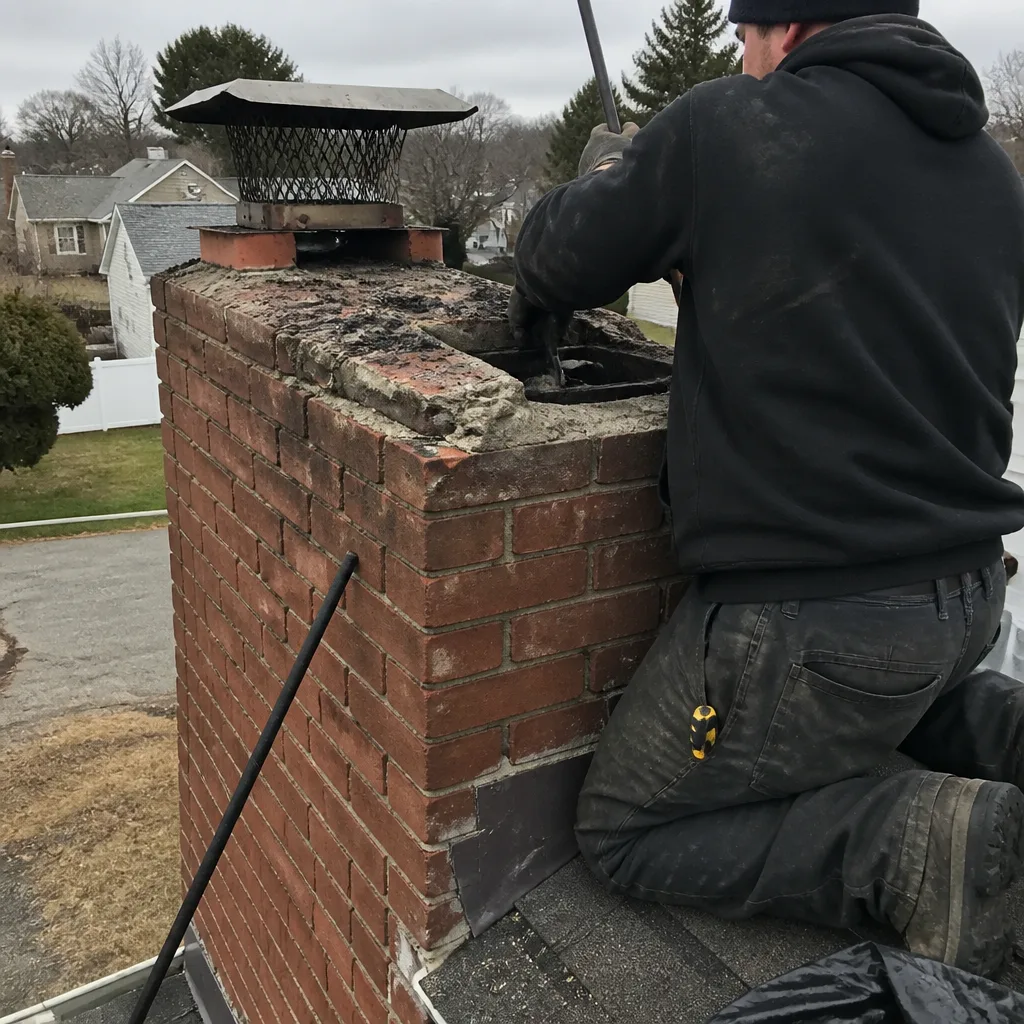 Before
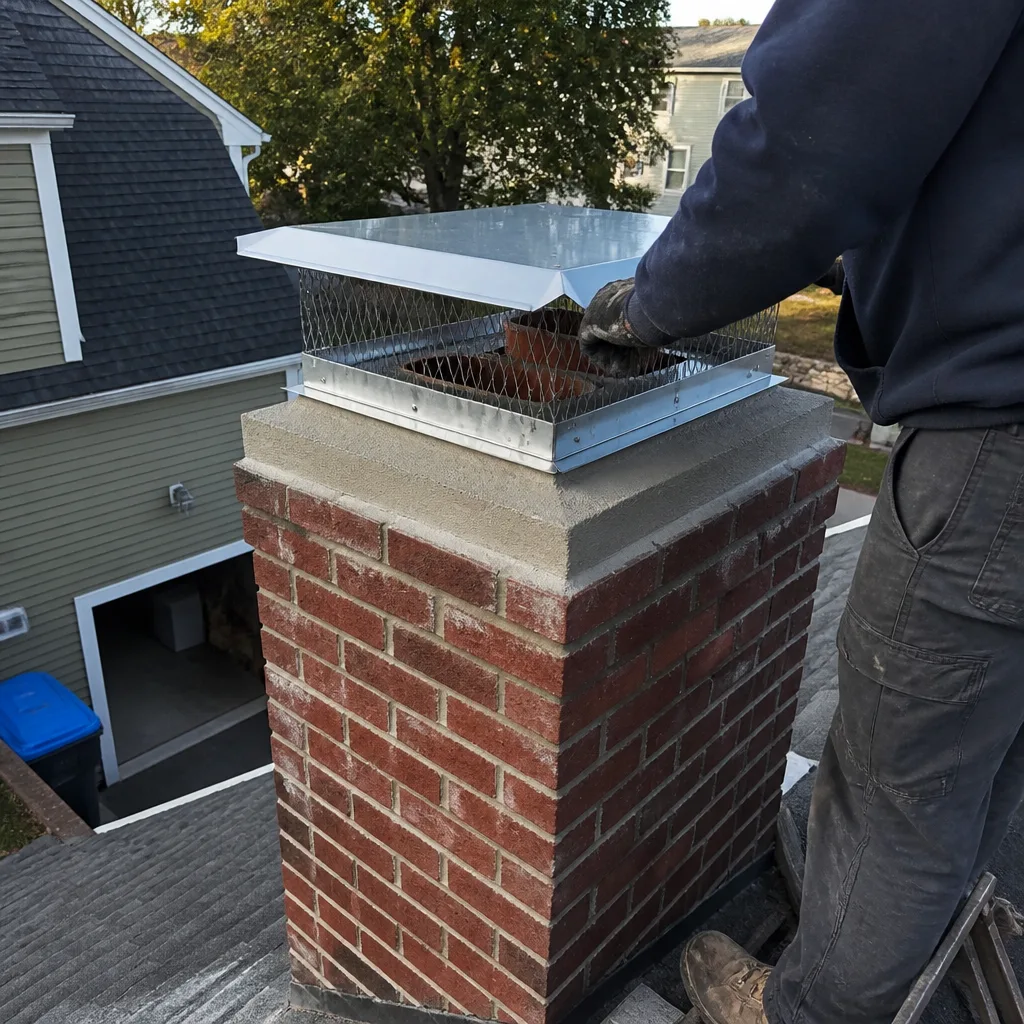 After
After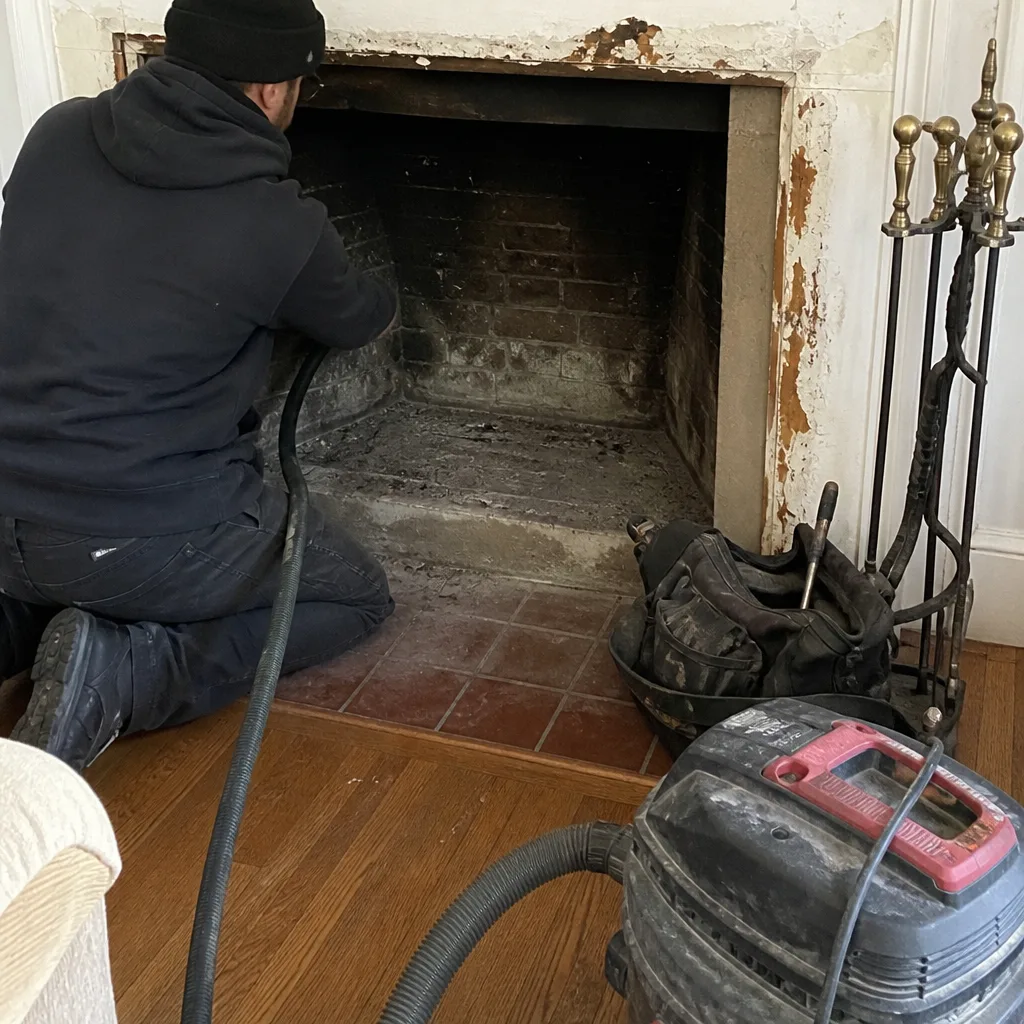 Before
 After
After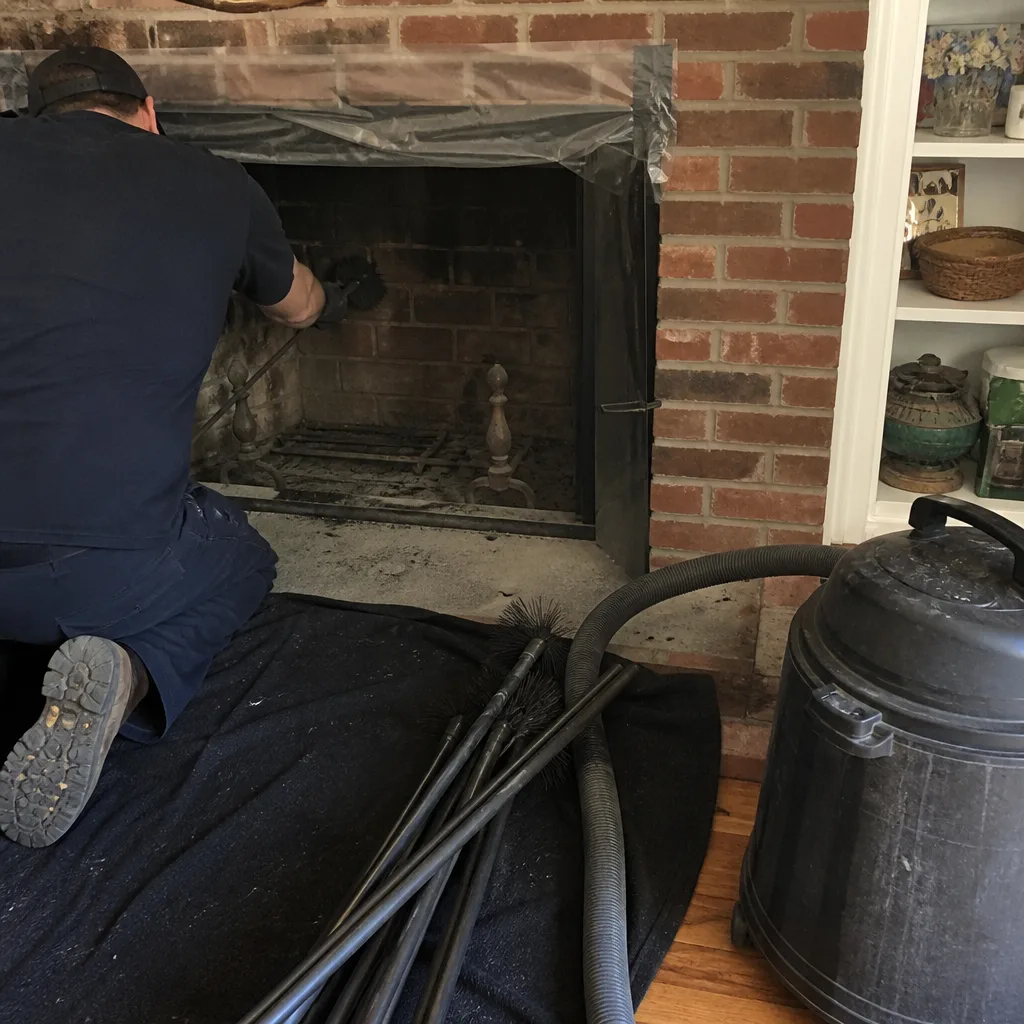 Before
 After
AfterCreosote Removal in Quincy, MA
Creosote removal in Quincy, MA typically runs between $150 and $600 depending on how much buildup is present and which degree of creosote you’re dealing with. Most jobs take two to four hours, and in straightforward cases we can usually get it done the same week you call. If you’re smelling something musty or oily from your fireplace, seeing a dark tar-like coating inside the firebox, or you haven’t had Chimney Cleaning & Sweep services in a couple of years, that’s the right time to call us at (781) 277-4630) and get a straight answer.
We’ve been doing this work in Quincy since 1999. Wendell Pike started Top Hat Chimney because he watched too many homeowners get quoted one price on the phone and handed a very different invoice at the door. That’s not how this works here. Before a single brush comes off the truck, you’ll have the price in writing. If something changes once we’re inside the flue, we stop and tell you why before we go any further.
Creosote removal is part of what we do every day as part of our broader Chimney Cleaning & Sweep in Quincy service, but it deserves its own conversation because a lot of homeowners don’t fully understand what they’re dealing with until the camera goes up the flue and we can show them. That’s exactly what we do. Camera footage and a plain-English verdict, every time.
What Creosote Actually Is – and Why Quincy Homes Get It
When wood burns, it produces smoke that carries water vapor, gases, and unburned wood particles up the flue. As that warm smoke hits the cooler surfaces of your chimney liner, those particles condense and stick. That’s creosote. It builds in layers, and the longer it sits, the harder it gets to remove.
Chimney professionals talk about three degrees of creosote, and the distinction matters a lot when you’re trying to understand what the job will cost and how serious the risk is.
- First-degree creosote is a dusty, flaky gray or black deposit. A good chimney brush handles it in one pass. This is what you get when you burn dry, seasoned hardwood regularly in a well-drafted system.
- Second-degree creosote looks shiny, crunchy, and tar-like. It’s harder to remove and requires rotary cleaning tools or chemical treatments to break it loose before brushing.
- Third-degree creosote is the one that keeps sweeps up at night. It’s a thick, dripping glaze – sometimes called glazed creosote or level-three buildup – and it’s highly concentrated fuel sitting inside your flue. It doesn’t come off with a brush. It requires chemical poultice treatments, sometimes multiple applications, and in severe cases a full liner evaluation before the chimney is safe to use again.
Quincy homes face a few specific conditions that accelerate creosote buildup. The city has a lot of older Colonial and Cape-style houses, many with original brick flues built before modern liner standards. Those older, larger flues often run cooler than the fire itself warrants, which is exactly the condition where creosote forms fastest. Quincy’s coastal climate adds to it: the damp air off Quincy Bay and the harbor side of Squantum means chimney walls are often cold even when there’s a fire going. Cold liner walls plus hot smoky air equals accelerated condensation.
We also see it frequently in homes where the fireplace gets used hard in November and December, then sits idle until the following fall. That long off-season gives any residual moisture in the creosote deposits time to work into the masonry and harden the buildup further. By the time someone lights the first fire in October, they may be dealing with second-degree buildup that was barely first-degree when the last fire went out.
When You Need Creosote Removal
- You smell something oily or acrid when the fireplace is cold. That smell is third-degree or late second-degree creosote off-gassing into the house. It’s especially common in Quincy homes near the water, where summer humidity gets drawn down through the flue and activates the deposits.
- You can see a shiny black coating on the smoke shelf or firebox walls. First-degree creosote is dusty. Anything shiny or tar-like is second-degree at minimum, and that’s past the point of a simple sweep.
- Your fires smoke more than they used to. Heavy creosote reduces the effective diameter of your flue and restricts draft. If the fire always worked well before and now it’s sluggish and smoky, buildup is the first place to look.
- You haven’t had a sweep in more than a year. The National Fire Protection Association recommends an annual inspection whether you burn regularly or not. Chimneys break in the off-season too – Quincy winters are hard on mortar, and what starts as a small crack can collect moisture and let creosote deposits get a stronger grip on the liner surface.
- You’ve been burning green wood or a lot of softwood. Pine, spruce, and unseasoned wood all burn at lower temperatures and produce far more creosote per cord than dry oak or maple. If your fuel source changed, your cleaning schedule should too.
- You had a chimney fire. Even a small one. A chimney fire can be barely audible – a low rumble or popping sound – and leave behind cracked tiles and porous liner surfaces that hold creosote even more aggressively. If you suspect you’ve had one, stop using the fireplace and call us before the next fire.
Our Creosote Removal Process
- Camera inspection before anything else. Wendell or one of the crew runs a video inspection camera up the full length of the flue. This tells us exactly what degree of creosote we’re dealing with, confirms liner condition, and rules out cracks or obstructions that could affect how we clean. You see the footage. We explain what we’re seeing in plain terms. No guesswork.
- Upfront pricing before work starts. Once we know what’s in the flue, we give you the number. That’s the number on the invoice. If the job is bigger than a basic sweep, we tell you before we touch anything. You decide how to proceed. No surprises.
- Chimney sealing and drop cloth setup. We seal off the firebox opening with a dust barrier and lay drop cloths across your hearth and flooring. Creosote removal is a dirty job. We treat your home the way we’d want someone to treat ours.
- Mechanical removal – rotary tools and chimney brushes. For first- and most second-degree deposits, we use heavy-duty rotary cleaning systems and professional chimney brushes sized to your flue. We work from the top down or bottom up depending on your system’s setup. For heavier second-degree buildup, we use professional-grade chemical looseners to break the glaze before mechanical removal.
- Chemical poultice treatment for third-degree glazed creosote. This is the hard case. Glazed creosote doesn’t brush off – it has to be chemically converted to a removable ash. We apply a poultice compound to the liner walls, let it work for the prescribed time, and then mechanically remove the converted material. Some severe cases require a second application. We use products trusted by professional sweeps – including Copperfield chemical treatments where appropriate – because using the wrong product on a compromised liner can cause more harm than good.
- Final camera pass and cleanup. After removal, the camera goes back up. You see the before and after. We clean up every drop cloth and every bit of debris. The job isn’t done until the flue is clean, the liner is confirmed sound, and you know exactly what condition your chimney is in.
One note worth making directly: heavy creosote removal, especially third-degree glazed deposits, can reveal liner damage that was hidden underneath and may require a Level 2 Inspection. If we find cracked tiles or compromised liner sections, we’ll stop, show you the footage, and talk through your options – whether that’s a HeatShield resurfacing application for minor damage or a full DuraFlex liner installation for more serious cases. We don’t push either direction. We tell you what’s there and let you make the call with full information.
Creosote Removal Pricing in Quincy
Creosote removal in Quincy costs more than a standard sweep because the tools, time, and sometimes the chemical treatments are more involved. Here’s what you should expect to pay, depending on what’s in your flue:
| Creosote Level | Typical Price Range (Quincy) | Notes |
|---|---|---|
| First-degree (dusty/flaky) | $150 – $250 | Included in a standard chimney cleaning in most cases |
| Second-degree (shiny/crunchy) | $250 – $400 | Requires rotary tools and additional time; chemical loosener often needed |
| Third-degree (glazed) | $400 – $600+ | Poultice treatment required; may need a second application; pricing varies by flue height and severity |
| Camera inspection (standalone) | $99 – $150 | Often credited toward any cleaning or repair scheduled same day |
A few things affect where you land in those ranges: flue height (taller chimneys in Quincy’s older multi-story homes take longer), the number of flues in your system, and whether the liner needs any follow-up work after removal. Homes in areas like Merrymount and Wollaston that have older brick stacks with clay tile liners often have more hidden buildup because those liners are harder to inspect and the tiles absorb more residue over time.
Seniors and veterans always get 10% off. If you have a written estimate from another company and you’re not sure it’s fair, bring it to us – we’ll give you a free second opinion at no charge and no obligation. And if the repair side of your job comes to more than $200, we’ll take $40 off.
Estimates are free. Call (781) 277-4630 and get an actual number before you commit to anything.
FAQs – Creosote Removal
How much does creosote removal cost in Quincy, MA?
Creosote removal in Quincy runs between $150 and $600 depending on the degree of buildup. First-degree is usually handled as part of a standard sweep at the low end of that range. Third-degree glazed creosote is the most expensive because it requires chemical poultice treatments on top of mechanical cleaning, and it may take more than one application. Call us at (781) 277-4630 for a free estimate before any work starts – you’ll have a firm number before we pick up a single tool.
Is creosote removal something I can do myself?
For first-degree dusty buildup, some homeowners do use chimney brushes themselves for basic Fireplace Cleaning, but you need to know what you’re looking at before you start. If the creosote is shiny, dripping, or has a thick tar-like appearance, stop – that’s second or third-degree buildup, and the chemical treatments required are not DIY products. More importantly, heavy mechanical cleaning in a compromised liner can cause tile fragments to fall into the firebox, which creates a separate hazard. Beyond that, you can’t effectively evaluate your own liner condition without a camera. A professional inspection is the right first step, and from there you’ll know whether it’s a job you can handle or one that needs trained hands. We’ll tell you honestly either way.
How do I know if I have dangerous levels of creosote in my Quincy home?
The clearest sign is a shiny or tar-like black coating inside the firebox or on the smoke shelf – that’s past the safe point. An oily or acrid smell when the fireplace is cold, fires that smoke more than they used to, or a rumbling sound during a fire (which can indicate a small chimney fire) are all reasons to stop burning and call a sweep. The only way to know for certain what’s up there is a Level 1 Inspection with a camera. We run the camera first, every time, so you’re not guessing.
How often should I have creosote removed from my chimney?
Once a year is the right answer for most Quincy homeowners who use their fireplace through the heating season. That annual appointment catches first-degree buildup before it can harden into second-degree. If you burn more than three or four cords of wood per season, or if you’ve been burning softwood or unseasoned wood, bump that to twice a year. The timing matters too: a pre-season inspection in September or October means you know what you’ve got before the first cold snap hits. Our broader Chimney Cleaning & Sweep in Quincy page covers the full annual maintenance picture if you want more detail on what a complete cleaning appointment includes.
Why Quincy Homeowners Call Top Hat Chimney
Wendell Pike has been working Quincy chimneys since 1999. That’s over 29 years of flues in this specific city – the old brickwork in Germantown, the tighter Cape-style stacks in Wollaston, the taller multi-story systems up near the Adams Shore neighborhood. He knows what Quincy chimneys do and where they fail. That’s not a marketing line. It’s just how many years in the same zip codes adds up.
When you call Top Hat Chimney, a live person picks up the phone. It may well be Wendell himself. You won’t reach a call center, and you won’t wait for a callback window that never comes. The sweep who shows up at your door is background-checked, arrives in uniform, gives you a real arrival window, and calls you if anything shifts. The price you heard on the phone is the price on the invoice. And if something isn’t right within 90 days of the job, one call brings us back – no charge, no argument, in writing on every job. That’s the 90-Day Done Right Promise, and it applies to every creosote removal we do.
We’re a local business. Wendell runs into his customers at the hardware store on Saturday. That keeps us honest in a way that a national franchise with rotating crews never has to be.
If you want to understand more about what a full annual chimney service looks like, the Top Hat Chimney home page lays out everything we do and every community we serve.
Schedule Your Creosote Removal in Quincy
If you’ve got any of the signs we described – an oily smell, a shiny coating in the firebox, smoky fires, or a flue that hasn’t been inspected in more than a year – don’t wait on it. Call (781) 277-4630 and talk to us. We’ll tell you exactly what you’re looking at and what it will cost to fix it before we book the appointment. Estimates are free, there’s no trip charge inside the county, and seniors and veterans always save 10%.
You’ll get a straight answer. That’s the only kind we give.
Written by Wendell Pike, Owner at Top Hat Chimney, serving Quincy since 1999.