
Level 1 sweep and inspection to the NFPA 211 annual standard - flue, crown, cap, and flashing checked and photographed
Chimney sweep logs do not sweep chimneys. They loosen some creosote - which then falls where a brush and vacuum still have to collect it.
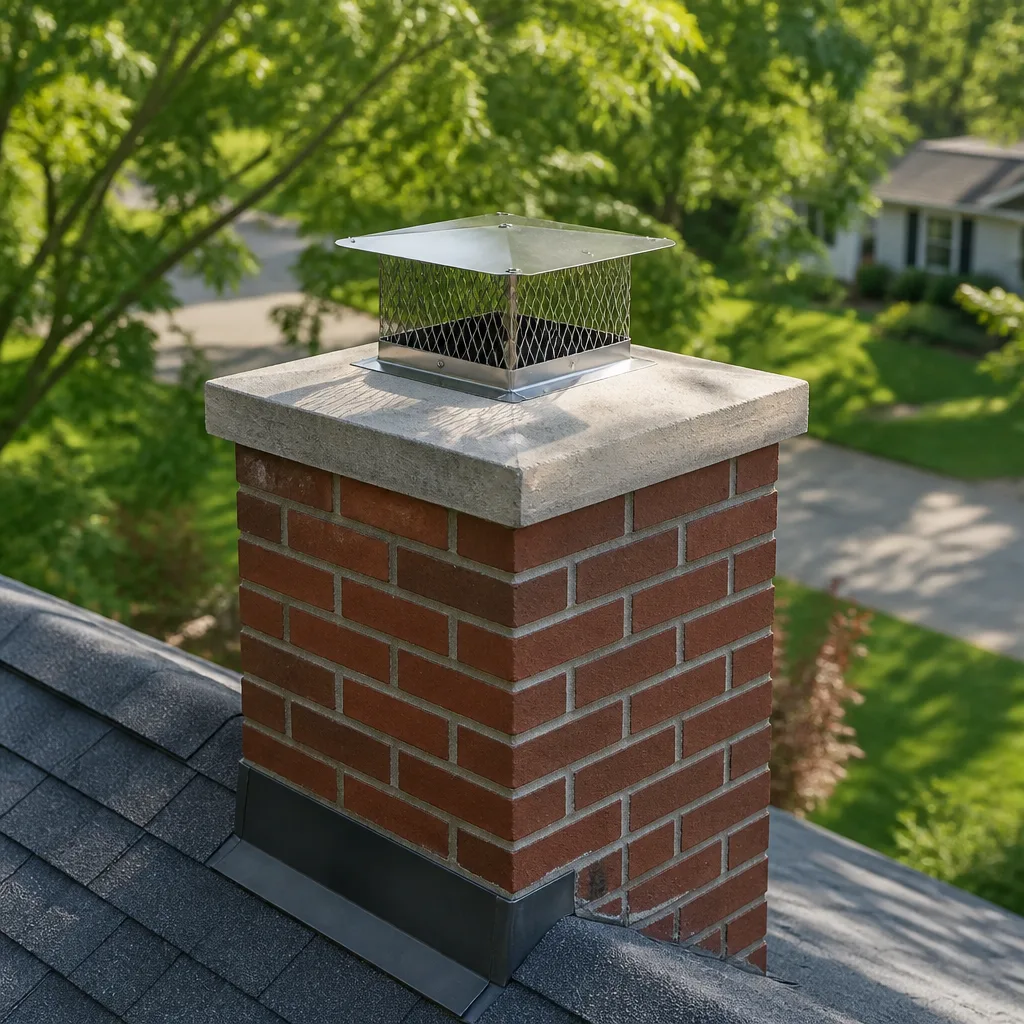
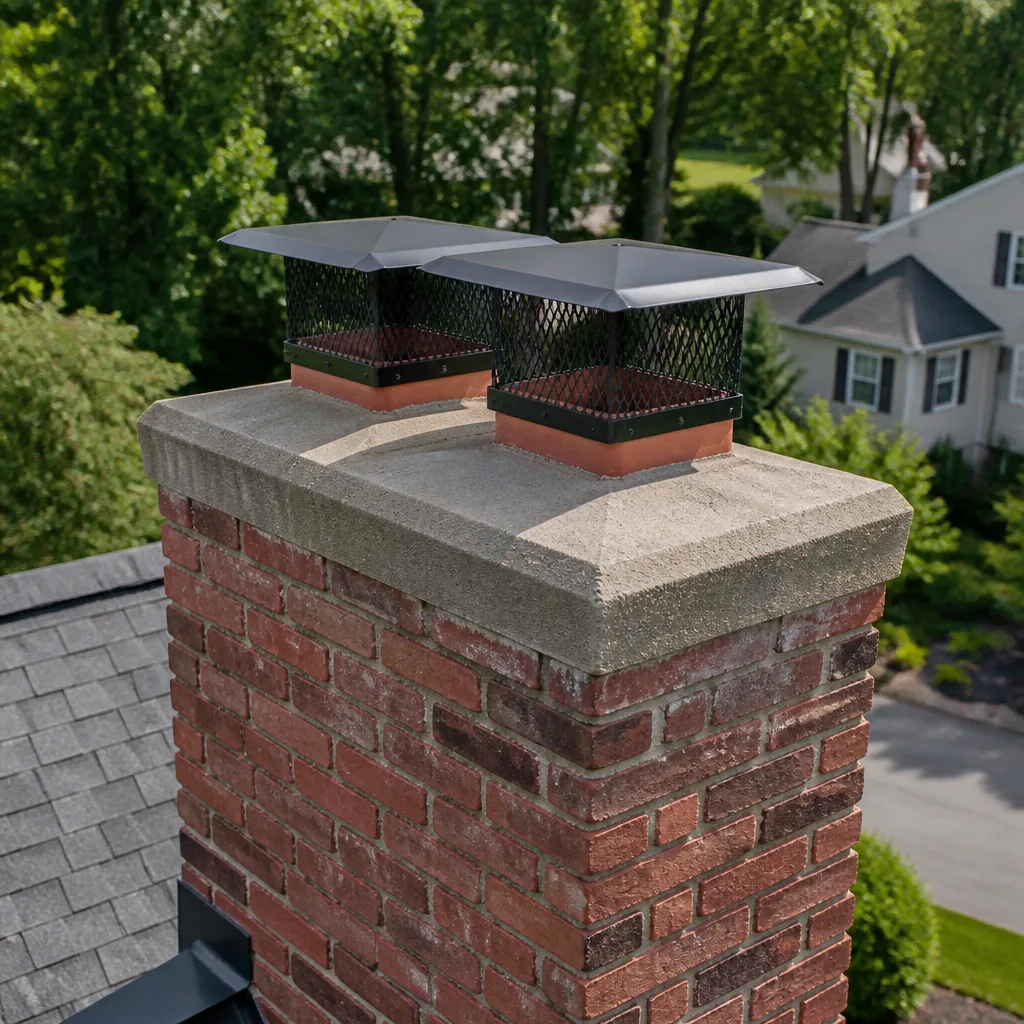
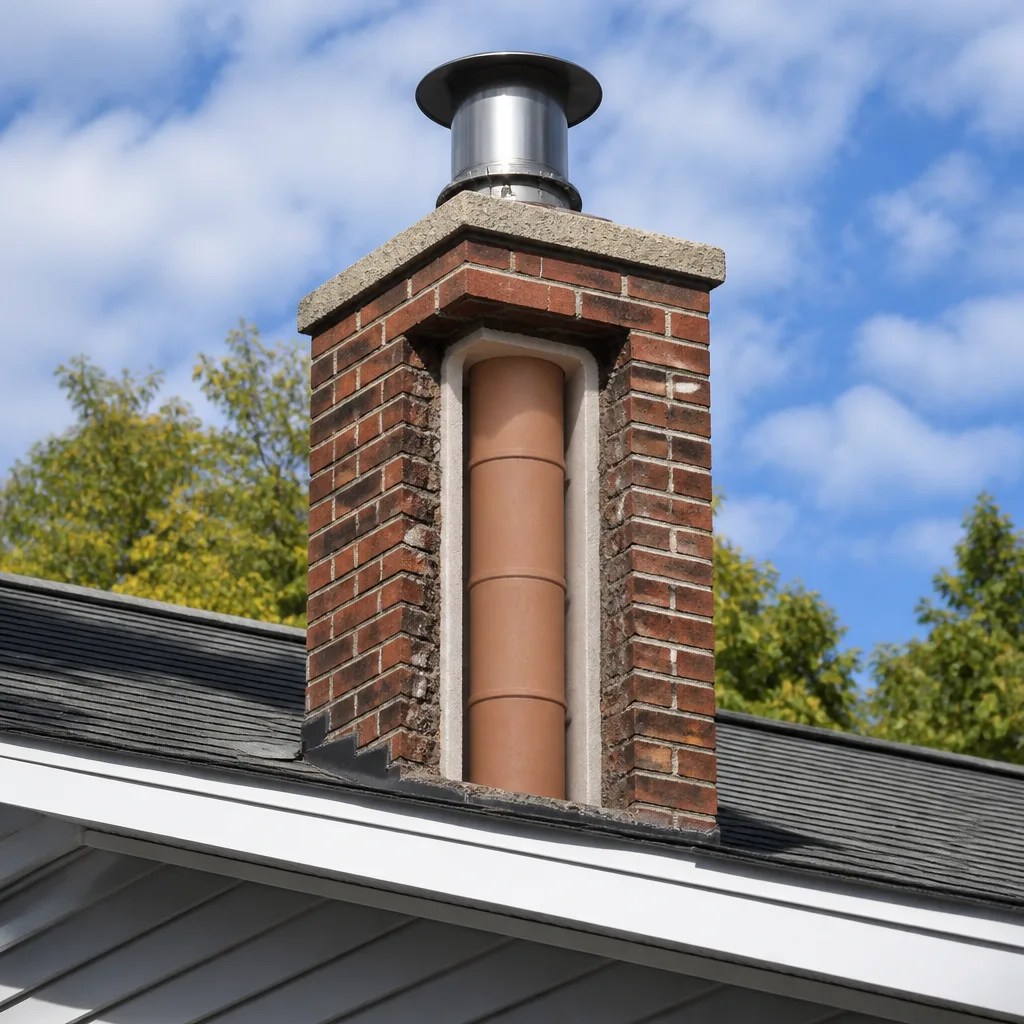
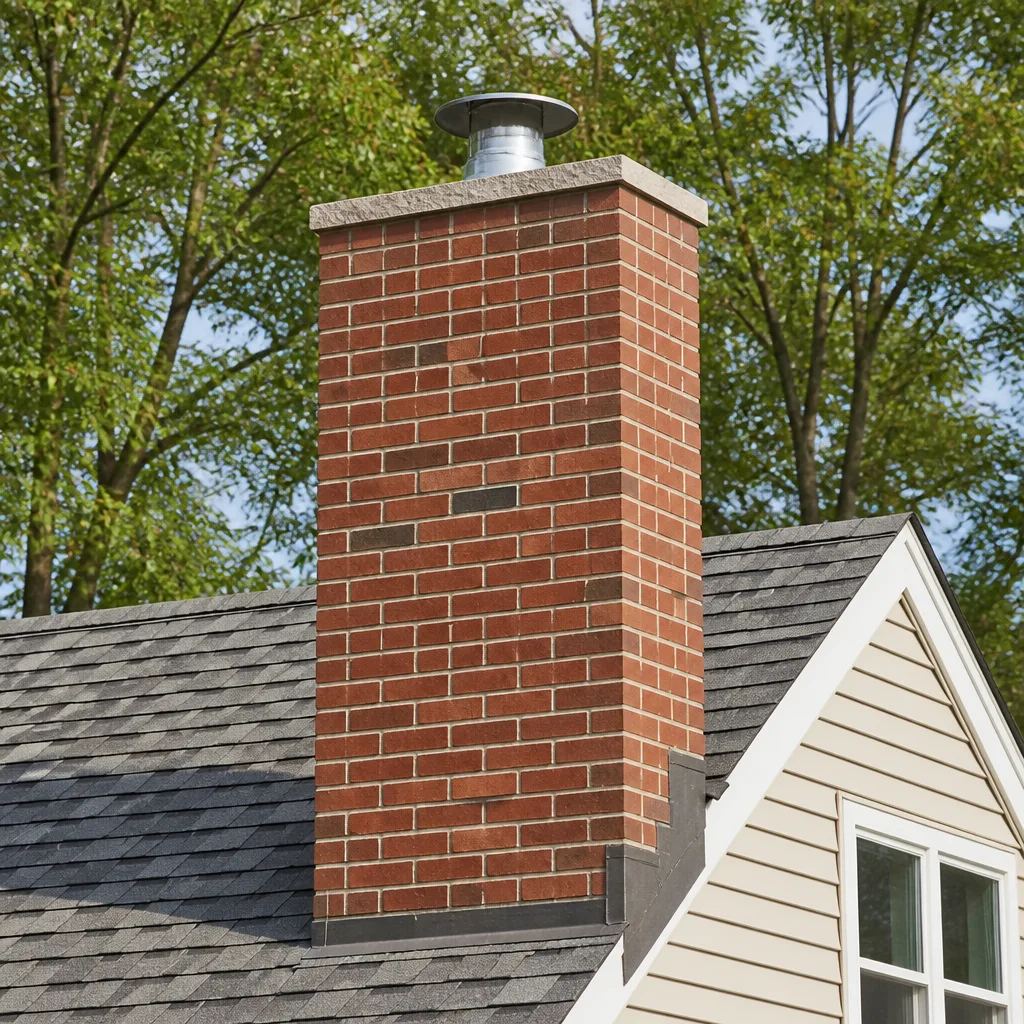
 Before
 After
After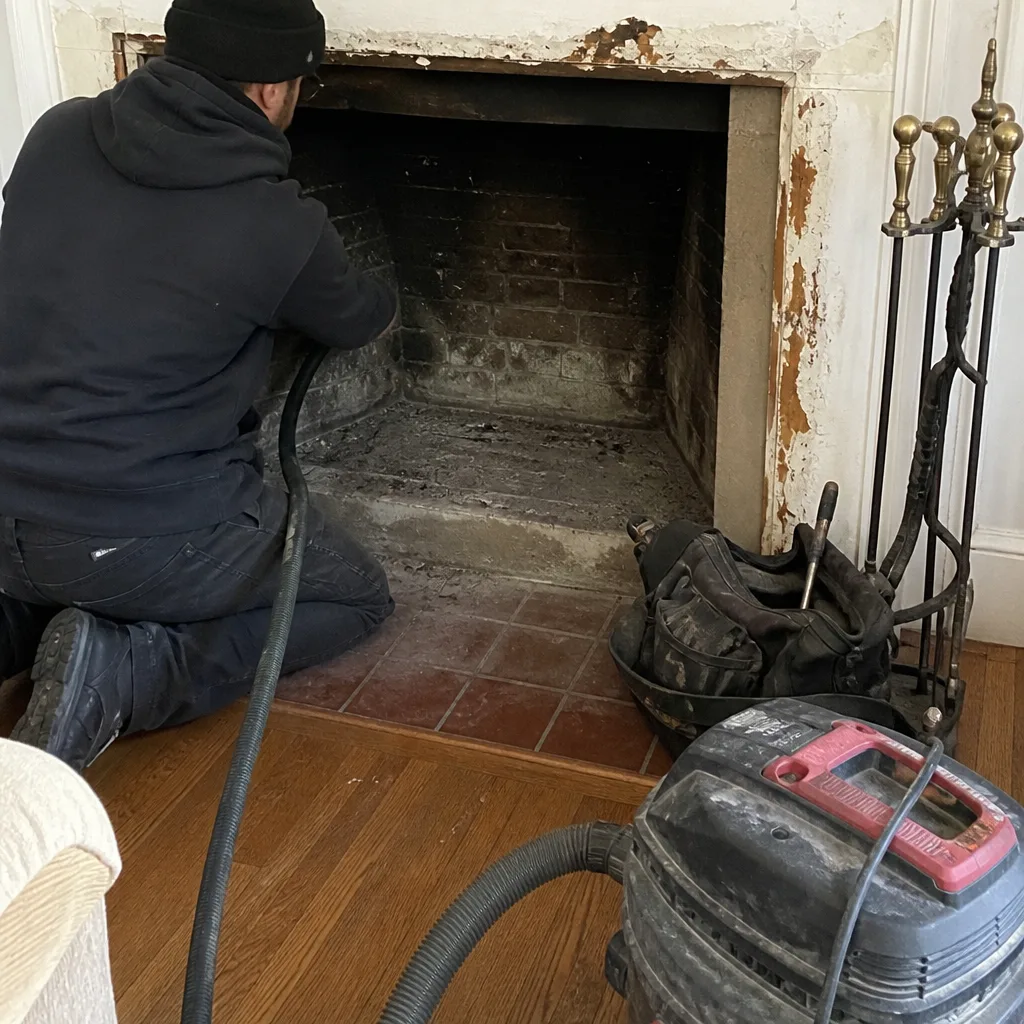 Before
 After
After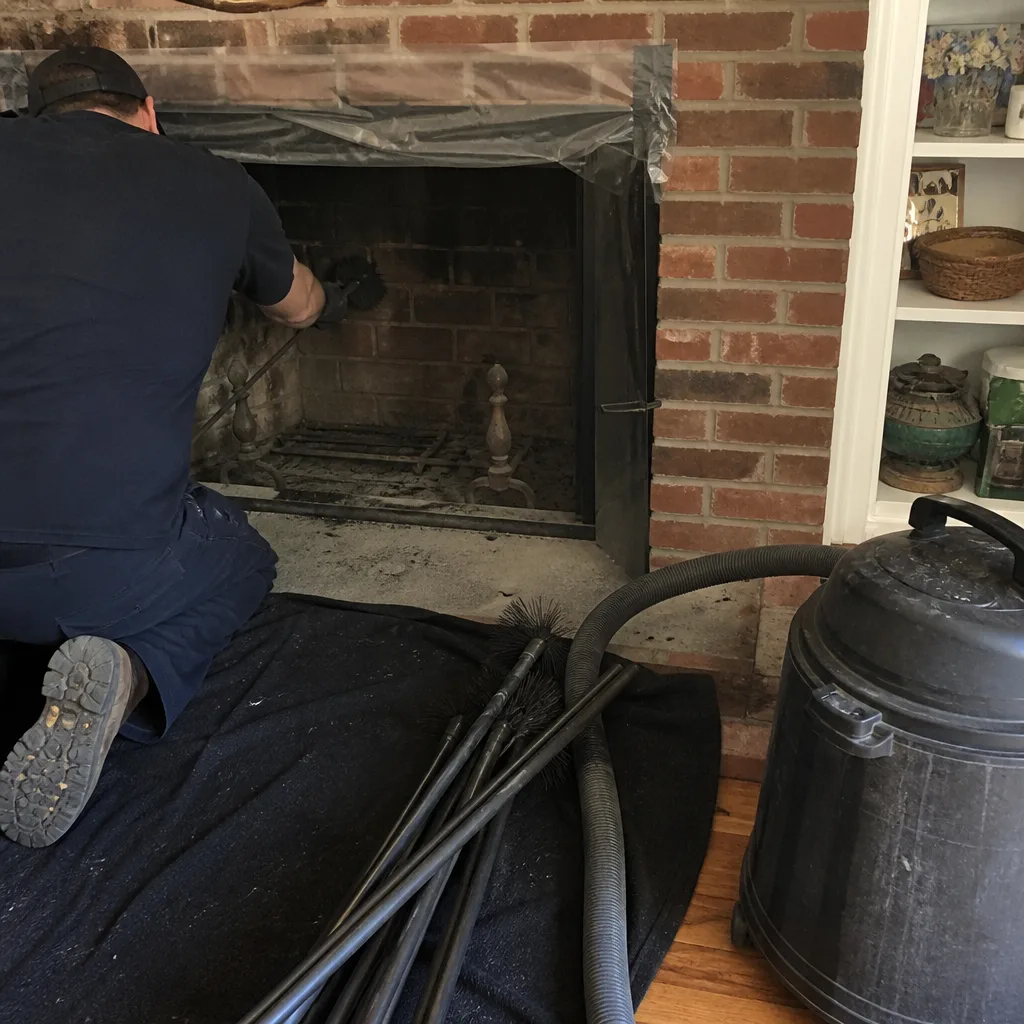 Before
 After
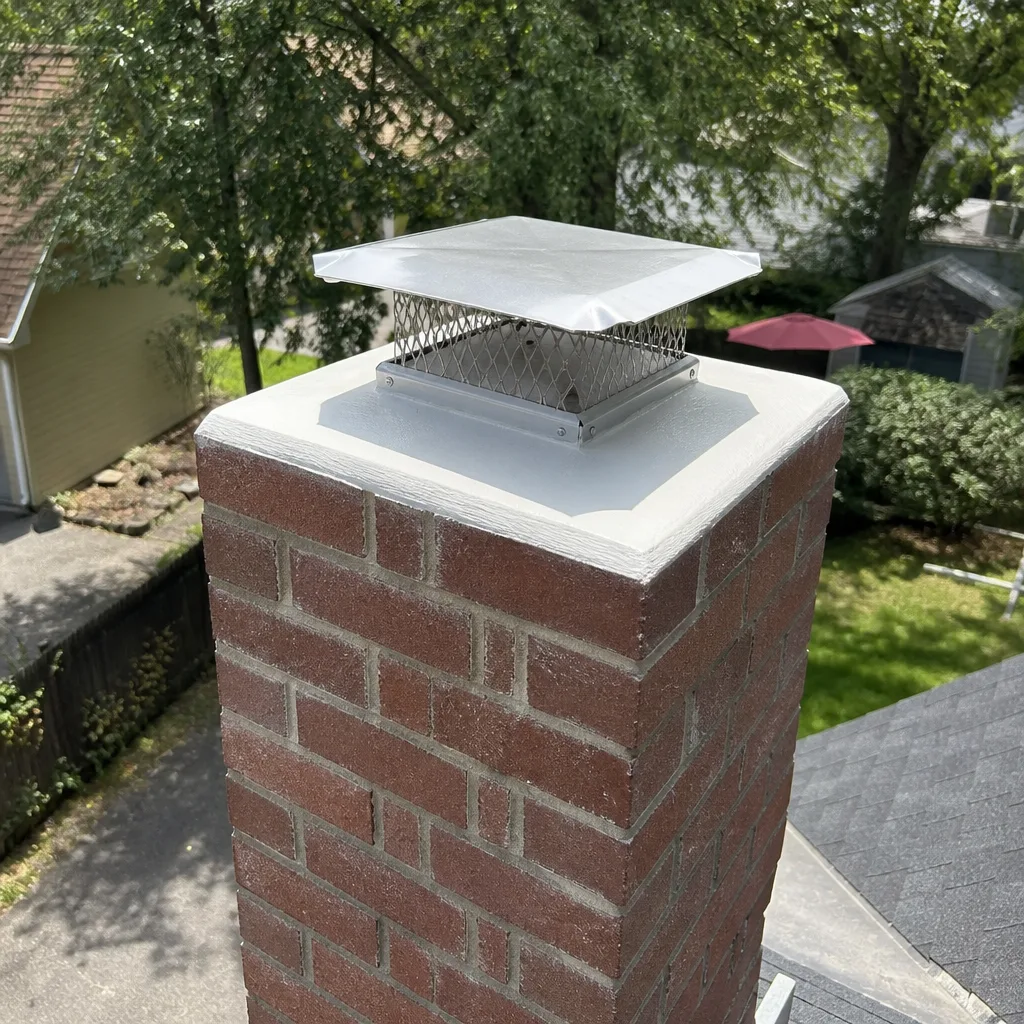
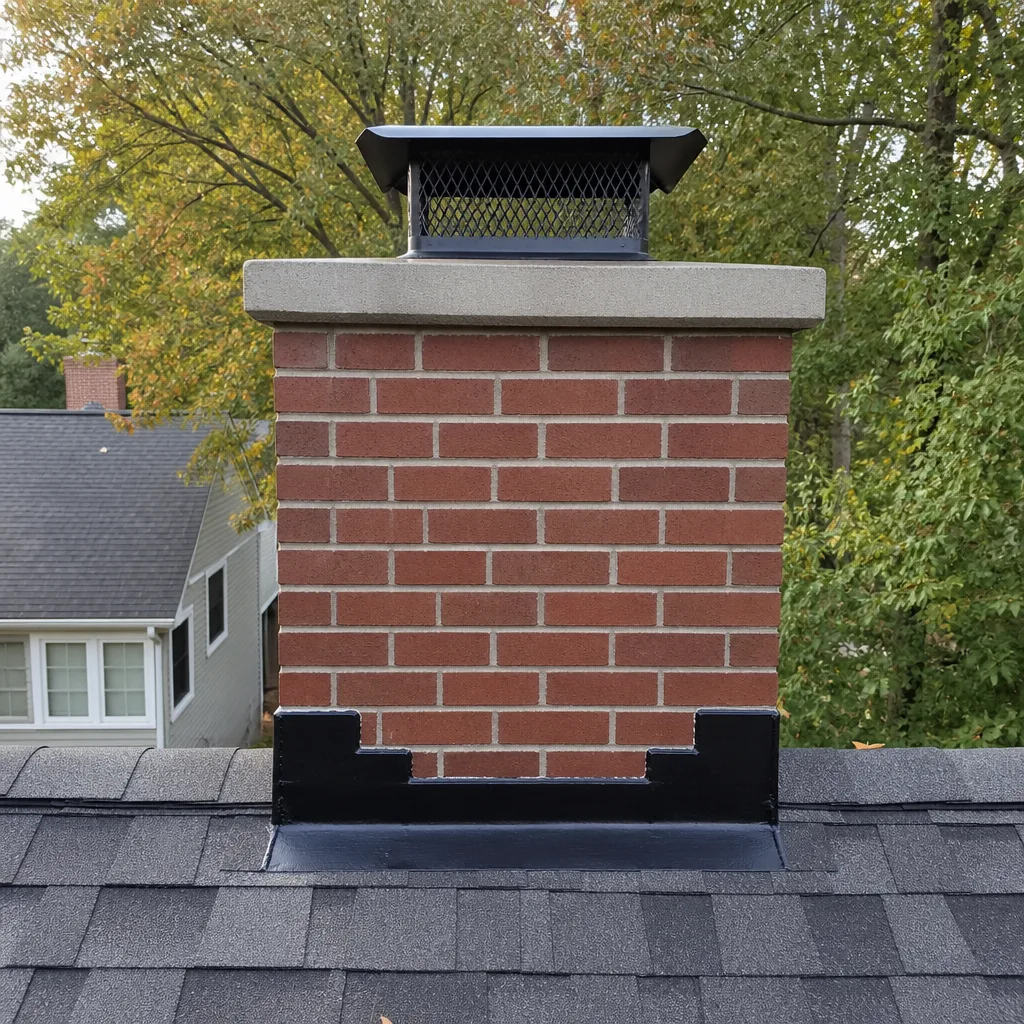
AfterGelco Chimney Cap Installation: The Quincy Owner’s Guide
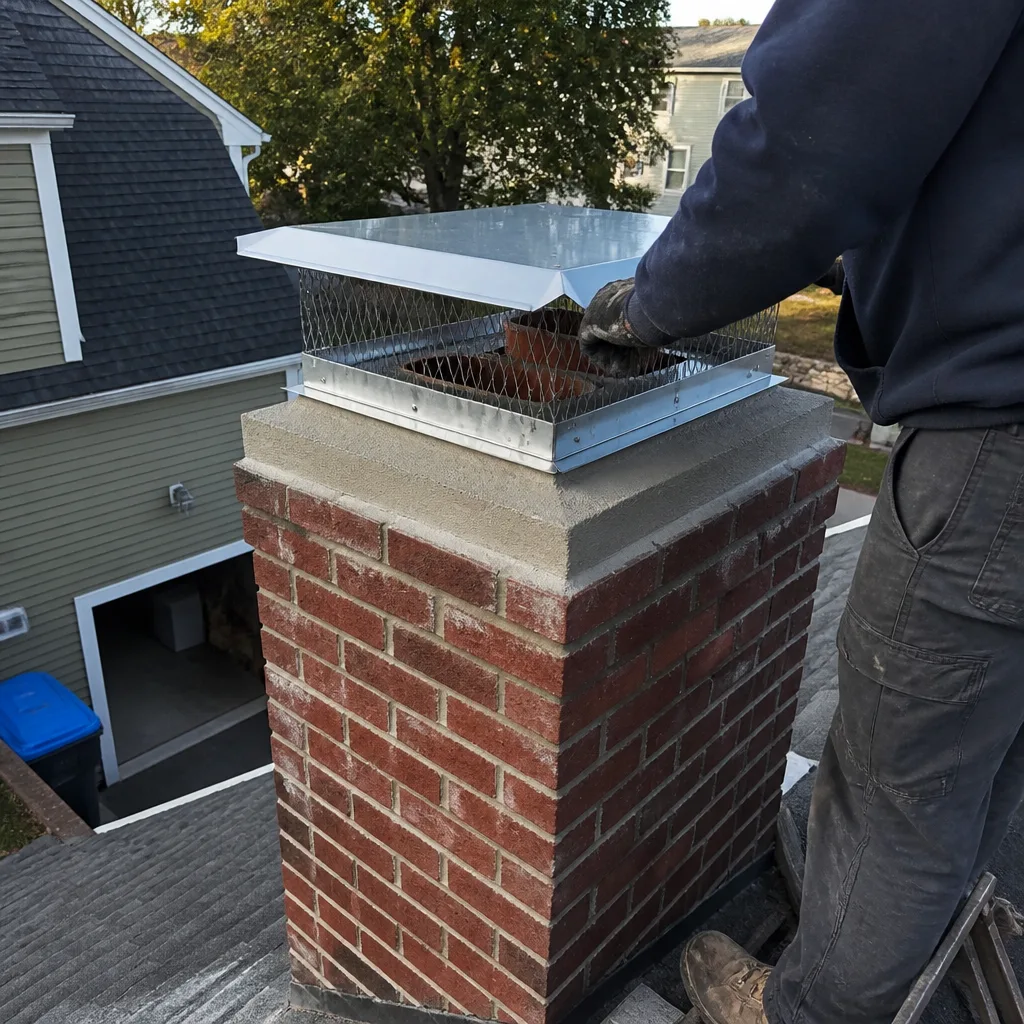
Gelco chimney cap installation in Quincy typically runs $285-$470 installed, depending on the cap size, flue configuration, and whether we’re swapping a single cap or doing a multi-flue setup. We keep a range of Gelco-compatible caps on the truck, so most jobs are done in one visit. Most owners find out their cap failed the hard way: water staining on the ceiling near the chimney, a rust stain running down the brick, or the cap itself sitting in the yard after a nor’easter. We see a lot of that last one around Quincy Point and Houghs Neck, where the wind comes off the water without much mercy.
We’re an independent chimney company, not a Gelco affiliate, but we’ve been installing and replacing their caps since the early 2000s. We know how they fit, what holds up in New England weather, and what doesn’t.
Which Gelco Models This Applies To
Gelco makes a few distinct lines, and the compatibility details matter. Their single-flue caps come in standard sizes from 8″x8″ to 17″x17″, plus round options for clay tile liners ranging from 6″ to 12″ diameter. The multi-flue caps are site-specific: outside-mounted models sit on the chimney crown and span the entire flue array, while inside-mount versions slide down into each flue. Quincy’s older colonials often have irregular flue spacing, so measuring is not optional. The cap box, if you still have it, has a UL listing label with the model number. But most folks don’t keep a chimney cap box in the attic, so we measure the flue tiles, the crown dimensions, and the flue projection. That last one is a gotcha: Gelco caps have a minimum flue-tile height requirement. If your flue tile sits nearly flush with the crown or has spalled down over the years, the standard Gelco cap won’t fit right. We see that all the time on older chimneys in Wollaston, where mortar joints start giving out and the flue tile settles. In those cases we recommend a crown-mount multi-flue cap instead. It covers everything and eliminates the flue-tile dependency entirely.
On the OEM versus aftermarket question for Gelco: Gelco’s stainless steel caps are solid, but their standard steel models corrode faster in coastal air. We’re honest about that. A painted steel Gelco cap will start rusting around the seams in three to five years here. We usually recommend OEM Gelco stainless replacements for their caps, or a quality stainless aftermarket equivalent that matches the footprint. DuraFlex and HeatShield also make compatible cap hardware we stock, so you’re not locked into one option.
Signs Your Gelco Chimney Cap Installation Is Failing
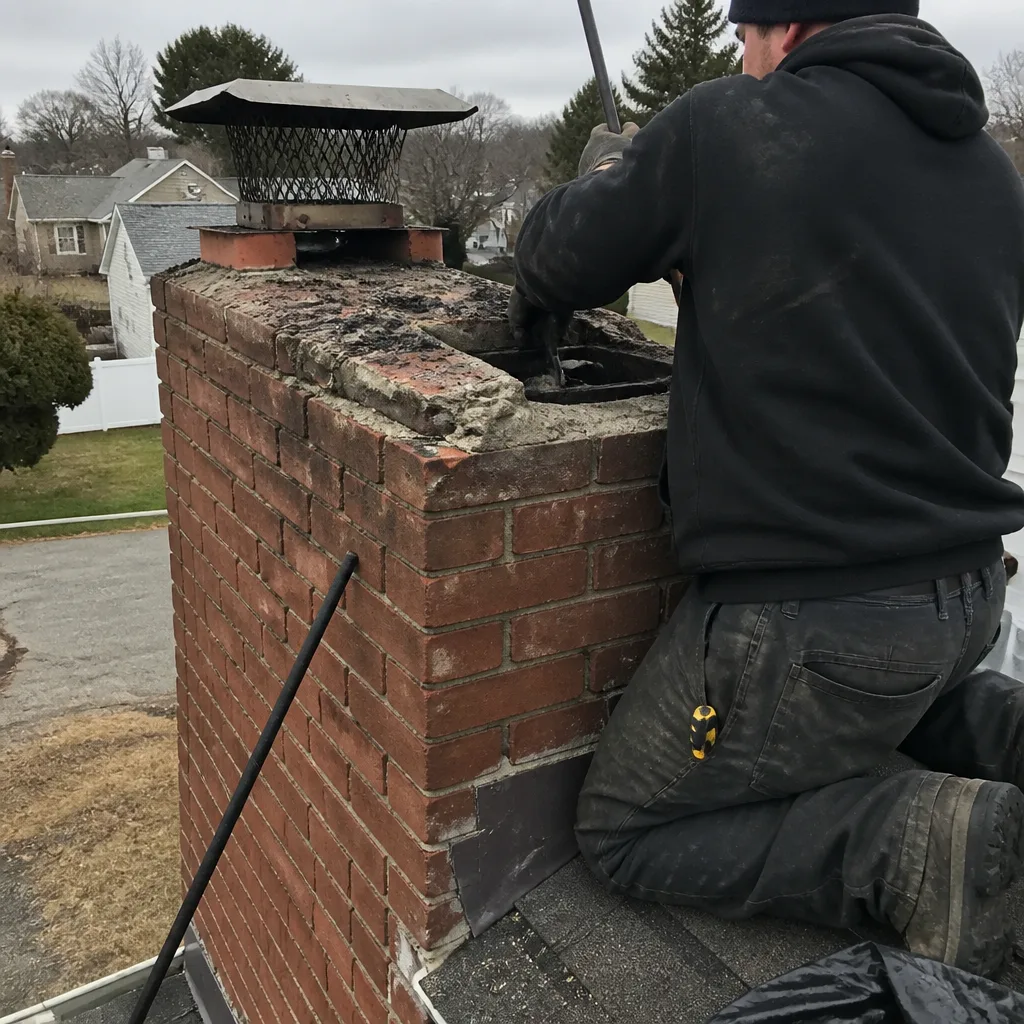
- Water streaking down the chimney brick or staining the ceiling. The cap’s rain cover or side screens have rusted through, and water is getting straight into the flue. That water hits the damper, the smoke shelf, and eventually your ceiling drywall. By the time you see the stain, the cap has likely been failing for months.
- The cap is loose, leaning, or gone after a storm. The mounting screws or brackets corroded, or the cap was never the right size to begin with. A loose cap chatters in the wind, grinds against the flue tile, and will eventually launch itself into a neighbor’s yard. Ask anyone on your street.
- You hear birds or scratching in the chimney. The side screen on the Gelco cap has torn or rusted away around the edges. Squirrels in the flue are bad. Birds are worse, because their nests are a fire hazard. Once nesting material packs into the flue, you’re looking at a sweep plus a cap replacement, not just a cap.
- The cap’s screens are clogged with creosote or soot. A properly installed Gelco cap should not plug up if the flue is venting correctly and you’re burning seasoned wood. If the screens are caking over, either the cap is undersized for the flue or the chimney draft is weak. That’s a sign the whole system needs a look, not just the cap.
- Rust stains running down from the cap onto the bricks. The cap itself may look fine from the ground, but the seams have started opening. Once the welds or folded corners on the rain cover fail, water runs down inside the cap body and out onto the chimney. The staining is the warning. The interior rust is what kills the cap.
Replacement Cost & What’s Included
Most single-flue Gelco cap installations in Quincy land between $285 and $390. That includes the cap itself, the mounting hardware, and the labor to get it seated right. Multi-flue custom caps run $420 to $520, depending on the crown width and how many flues need covering. What drives the range? Flue size, roof pitch and access, the condition of the flue tile the cap mounts to, and whether we need to grind down crown mortar to get the cap to sit level. We will walk you through the exact number before we start, and the price we give you on the phone or at the door is the price on the invoice. No add-ons for “unexpected” problems we could have seen in the first ten minutes.
Every Gelco cap install we do is backed by the 90-Day Done Right Promise. If the cap shifts, leaks, or isn’t right, one call brings Wendell back to fix it at no charge. We also beat any written estimate from another chimney company with a free second opinion. And seniors and veterans get 10% off every job, every time.
DIY or Call Us?
There are things you can check safely from the ground: Is the cap still there? Is it sitting straight, or leaning? Do you see rust stains or daylight through the side screens? That’s about where the safe part ends. The moment you need to get on a ladder, walk a roof, or reach over a chimney crown, the risk profile changes. Quincy roofs are steep in a lot of the older neighborhoods, and brick chimneys near the harbor get slick with moss and sea air. Wendell and his crew are background-checked, insured, and we have the right fall gear and training for the job. The cost of a new cap is a lot less than an emergency room visit or a cracked roof tile from a misstep. If you suspect the cap is failing and you want a straight answer about whether it needs replacing or has life left, call (781) 277-4630. If it doesn’t need replacing, we will tell you that too.
FAQs
A Gelco stainless steel cap lasts 15 to 20 years in this coastal climate. Their standard steel caps rust out in about five to seven years if the paint fails early, which it often does near the harbor. The hinges and screens usually fail first, not the rain cover.
Small tears in the side screen can sometimes be patched, but once the cap body or the mounting brackets start rusting through, repair is not worth the money. You will be back on the roof the same time next year. A new stainless cap is the honest fix in most cases.
A single-flue cap swap on a typical Quincy roof takes about 45 to 60 minutes from ladder up to tool cleanup. A multi-flue cap that requires crown preparation can take two hours or more. We handle the whole job in one visit, no follow-up crew needed.
We stock common Gelco single-flue sizes on the truck and standard multi-flue hardware. If you have an unusual flue size or an irregular crown layout, we can typically have the right cap in hand within a few days. Call (781) 277-4630 and we will tell you what fits before you spend a dime.
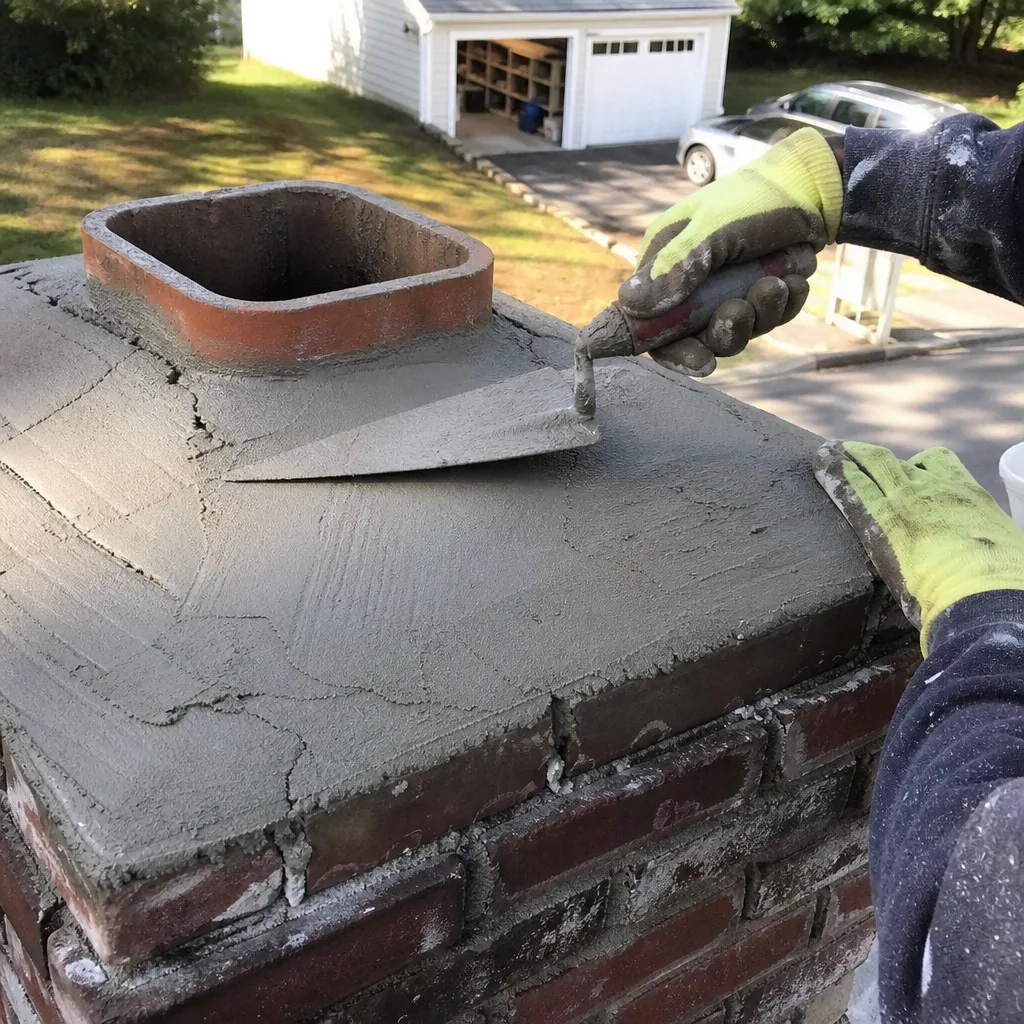
Water keeps getting in. It soaks the flue liner, eats at the mortar joints, and in a Quincy winter the freeze-thaw cycle widens every small crack. That turns a $300 cap replacement into a $3,000 crown rebuild and possibly a liner replacement. The cap is the cheapest thing on your roof and it protects the most expensive parts of the chimney. Call (781) 277-4630 for a free estimate, and we will show you camera footage of whatever is actually happening up there, no guessing.
We have been driving these Quincy streets and climbing onto roofs from Merrymount up to the quarries for more than two decades. The older colonial chimneys around here have quirks, and we’ve learned to read them. Wendell Pike got his start at Southwestern College down in Chula Vista, where an instructor taught him that honest work done carefully beats a fast hustle every time. That’s how we approach every Gelco cap install: matched right, seated tight, and backed in writing.
Written by Wendell Pike, Owner, Top Hat Chimney at Top Hat Chimney, serving Quincy and nearby areas.