
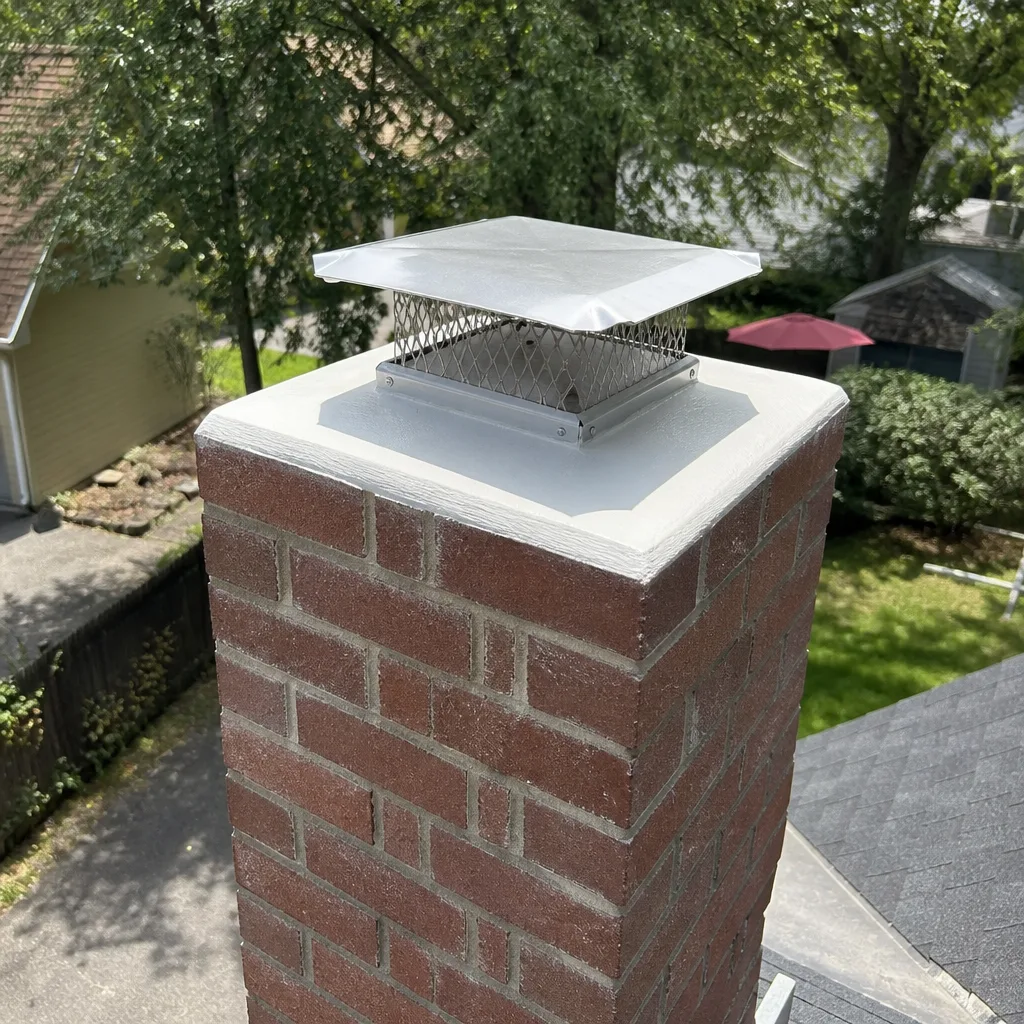
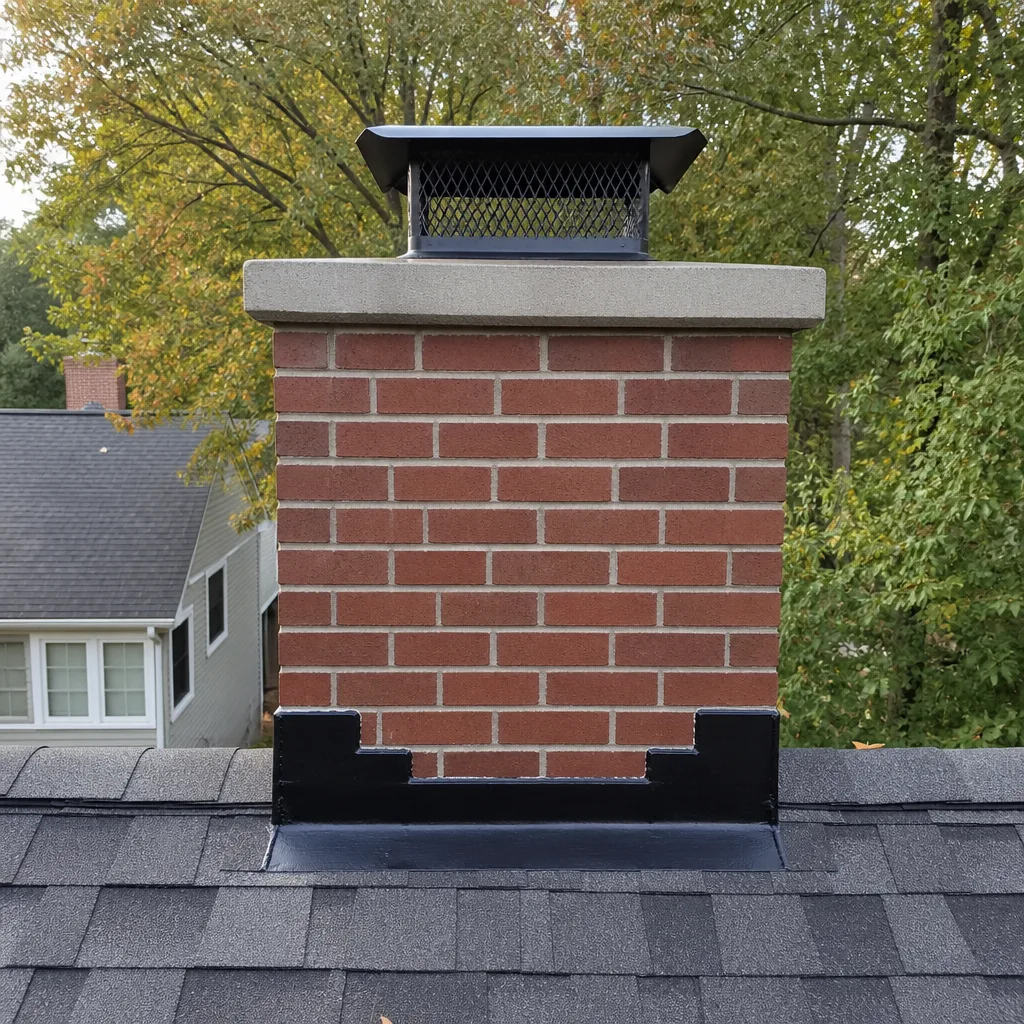
Level 1 sweep and inspection to the NFPA 211 annual standard - flue, crown, cap, and flashing checked and photographed
Chimney sweep logs do not sweep chimneys. They loosen some creosote - which then falls where a brush and vacuum still have to collect it.
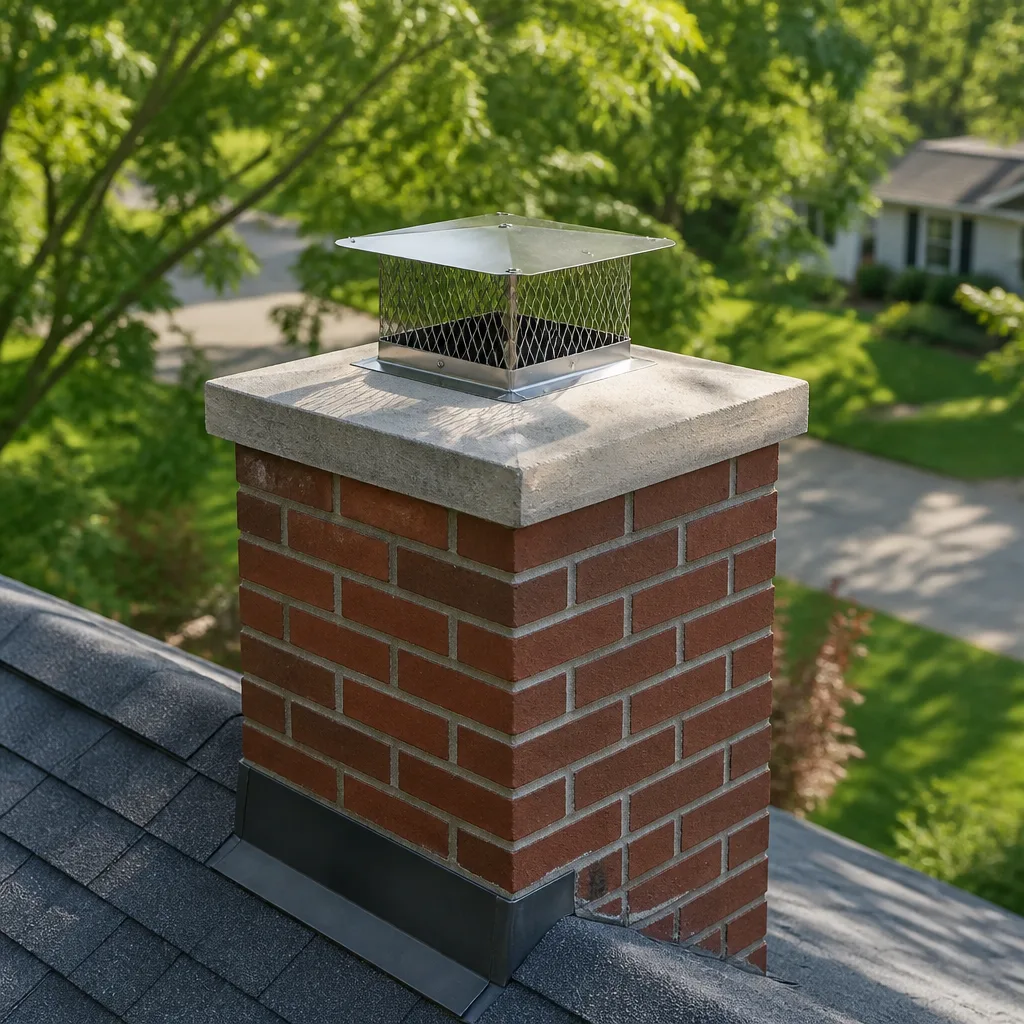
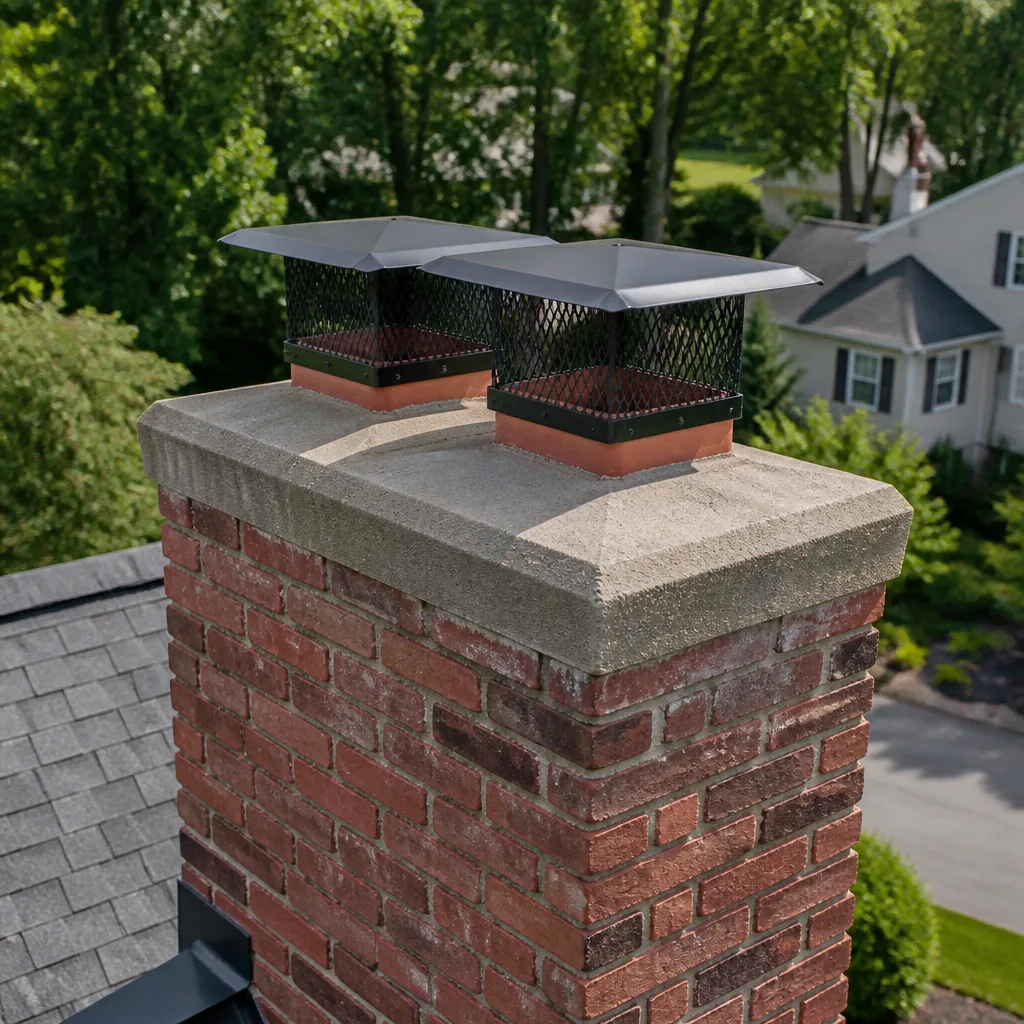
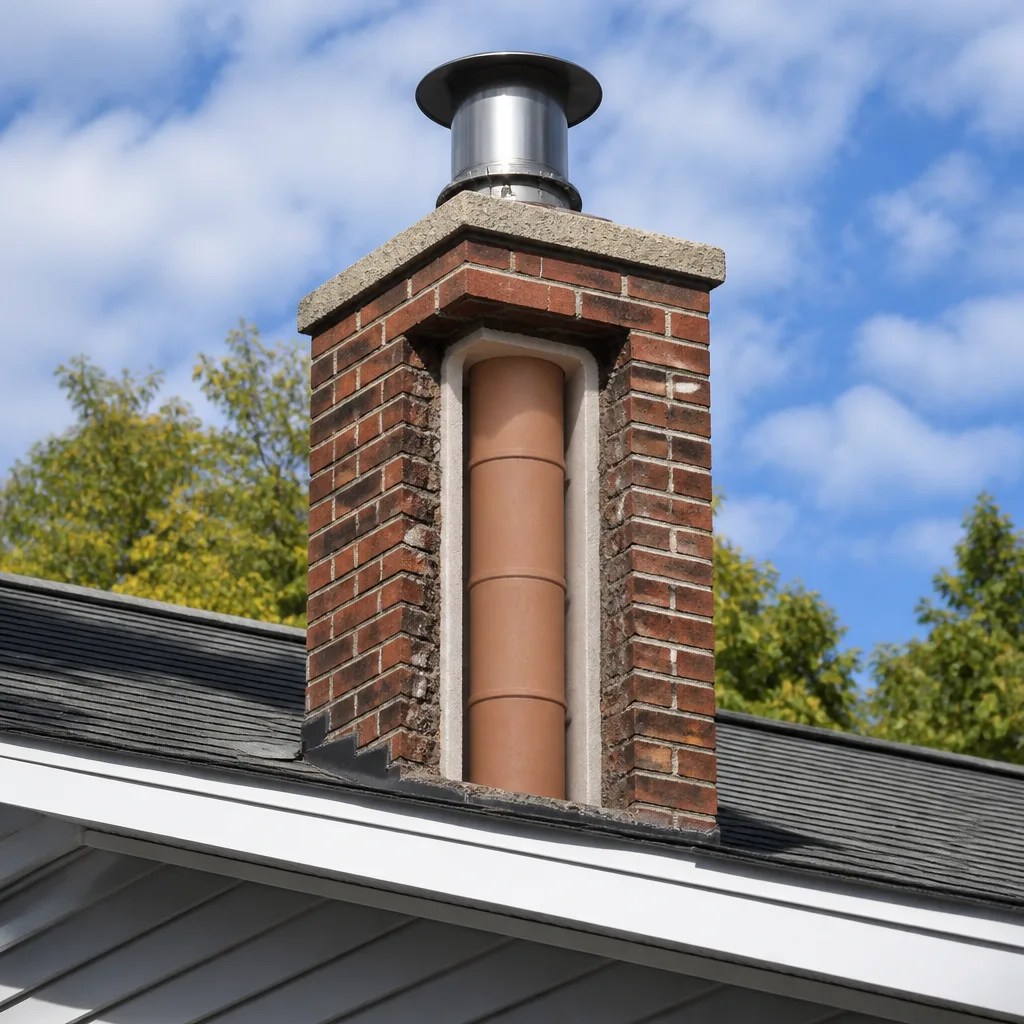
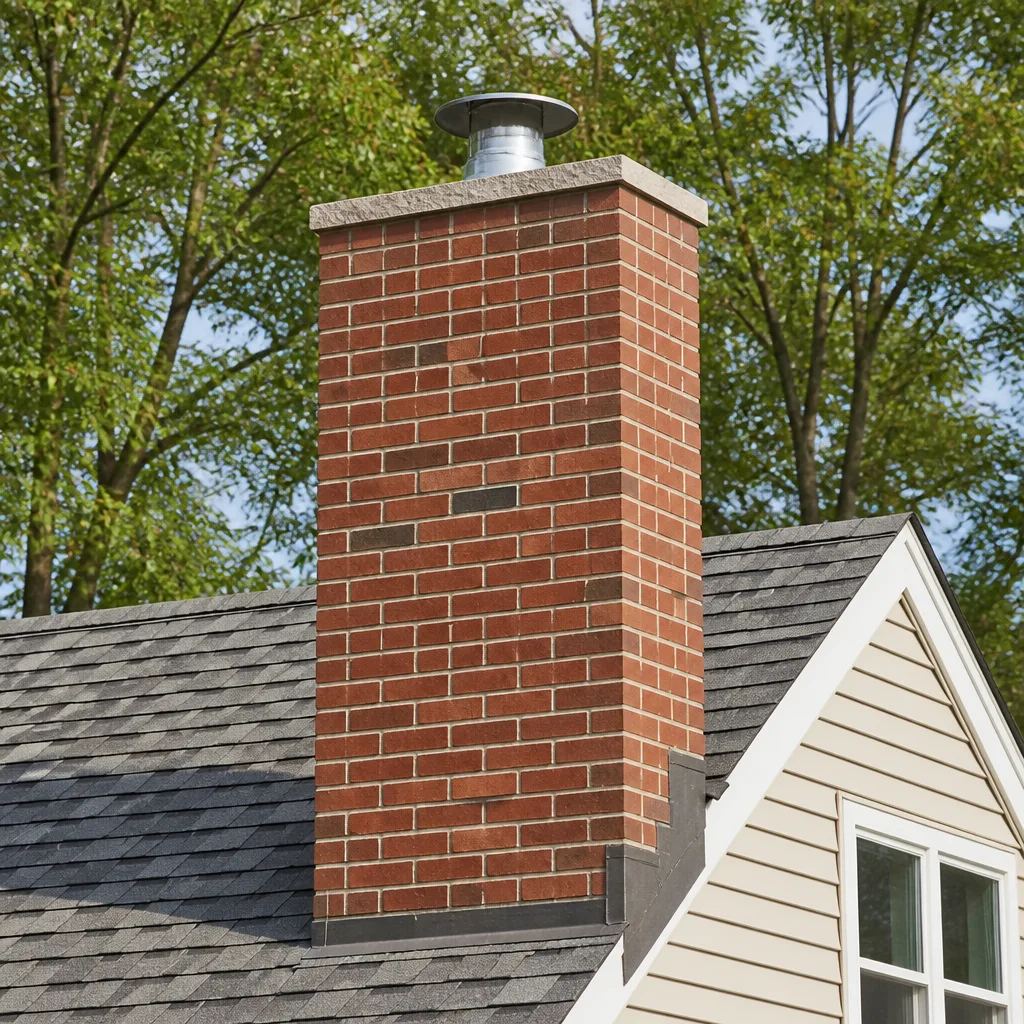
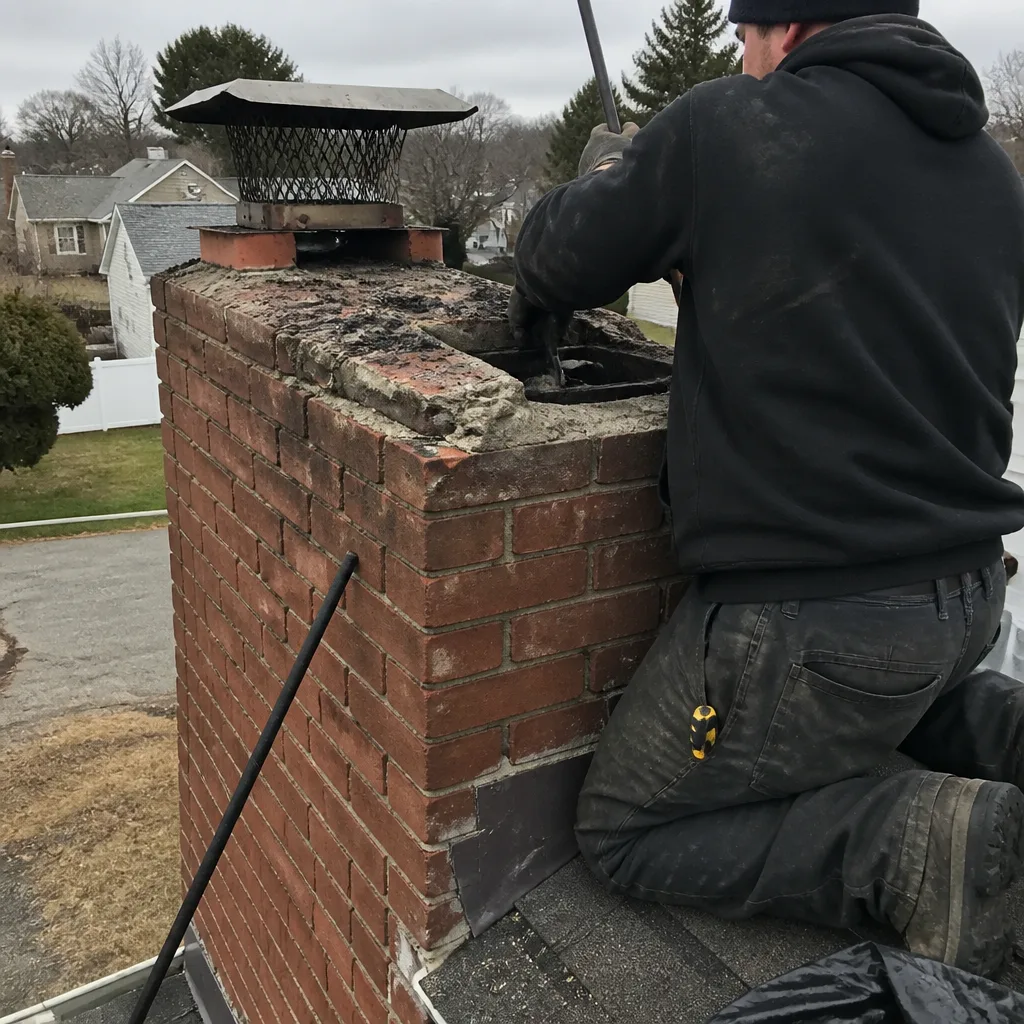 Before
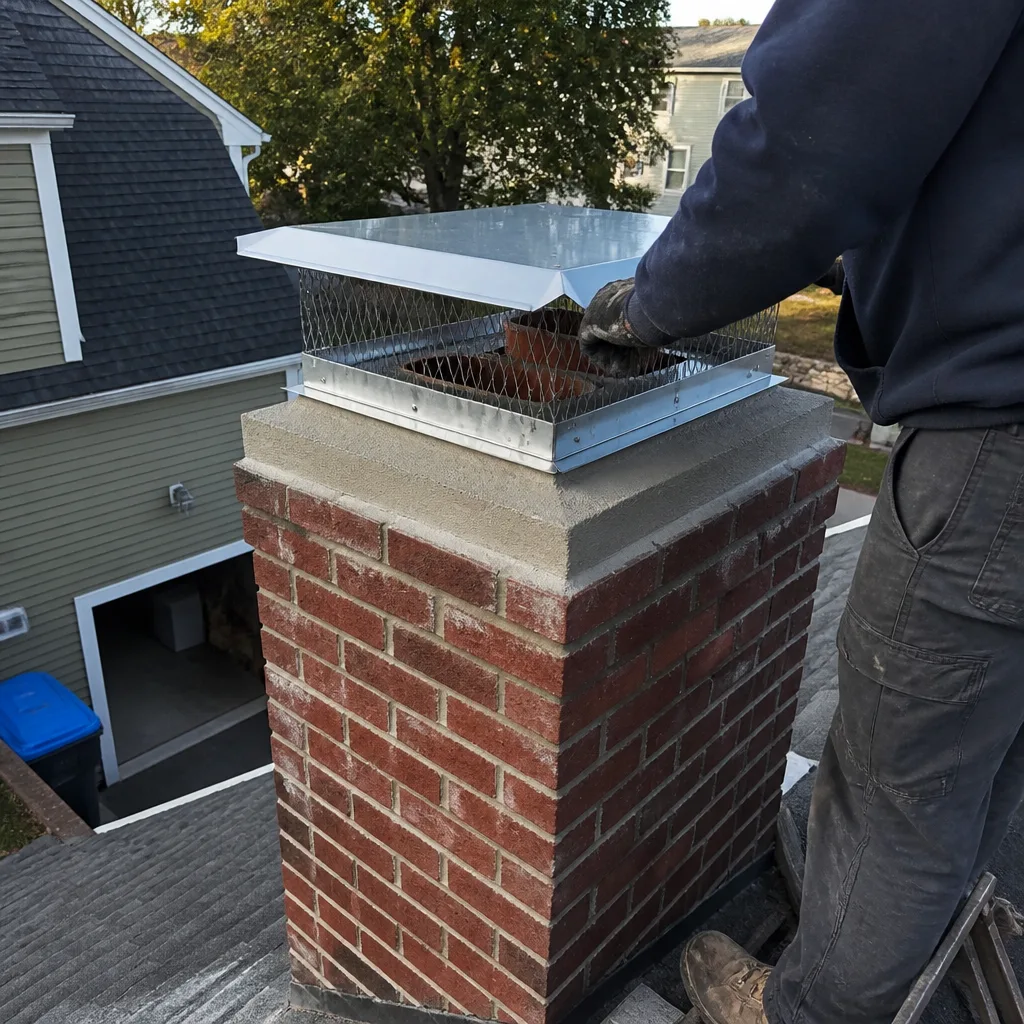 After
After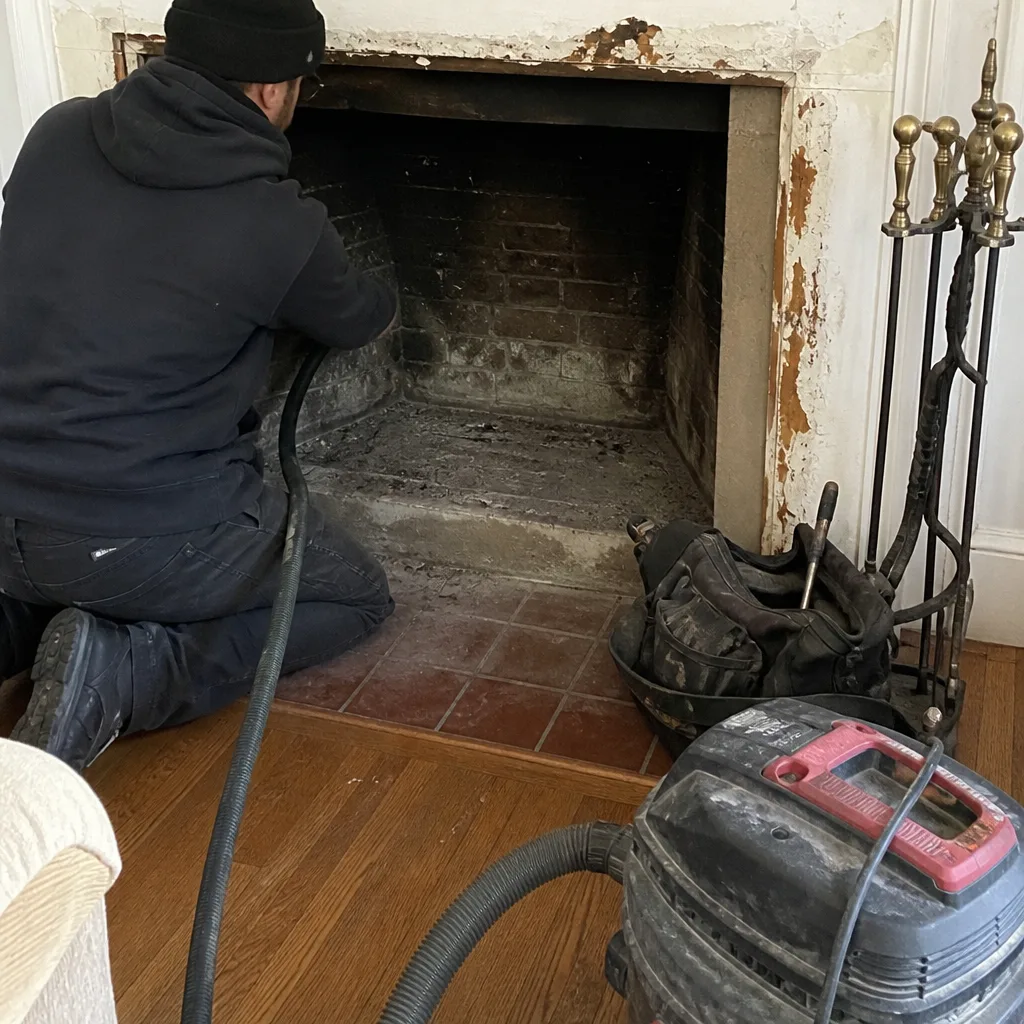 Before
 After
After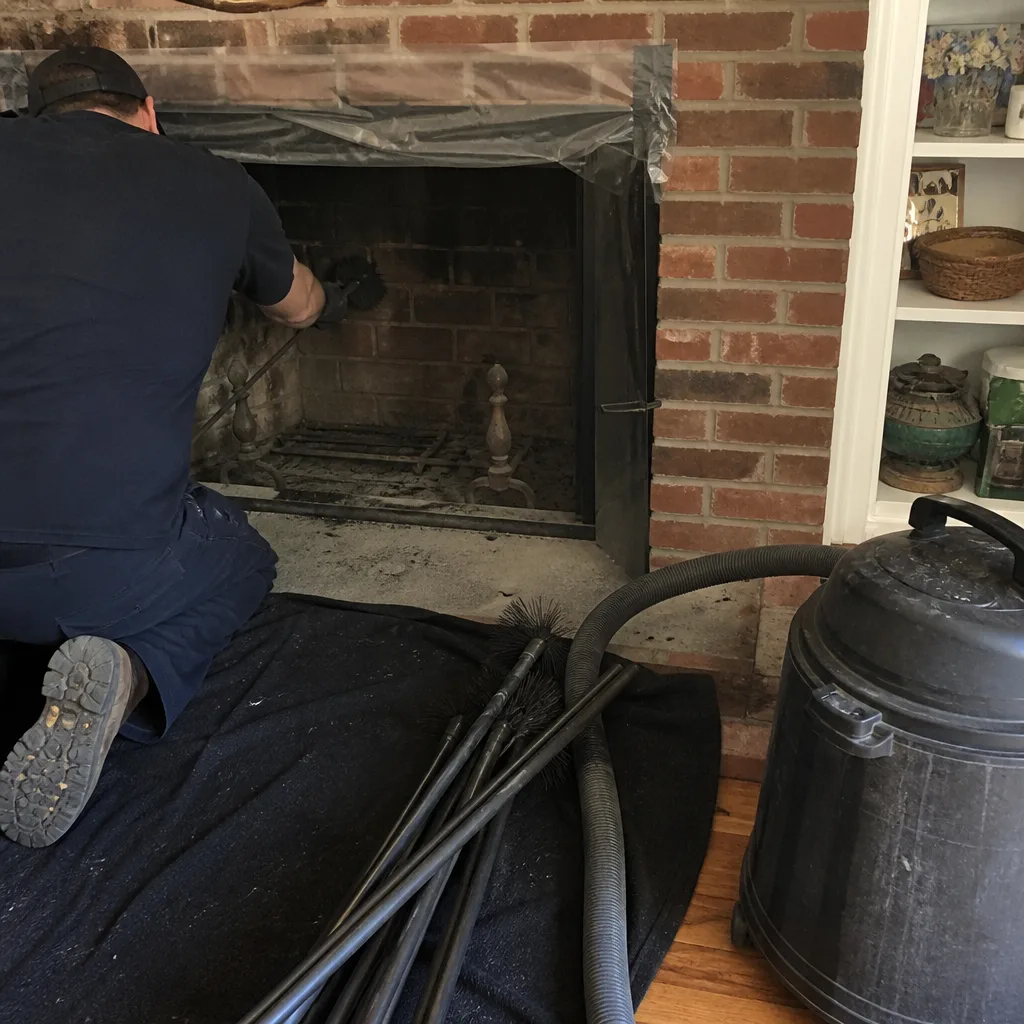 Before
 After
AfterHeatShield Damper Repair: The Quincy Owner’s Guide
If you have a HeatShield damper in a Quincy chimney that won’t hold position, rattles on a gusty day, or lets you feel cold air pushing past when the fireplace is closed, here’s the straight answer: most HeatShield damper assemblies can be repaired or swapped without pulling the liner or rebuilding the firebox, with installed repair work in the Quincy market typically running $275 to $550 based on the model and what’s actually failed. We keep a range of HeatShield damper components on the truck because around here, from Merrymount up toward the granite quarries, failure tends to show itself right around first burn, when the colder air has spent six months working against the cast hinge and the steel cable. In Quincy’s salt air and long damp winters, corrosion works faster on a damper’s moving parts than you’d think, and the HeatShield units, while stout, have a specific weak point in the blade-to-frame connection on certain series that we’ll get into below.
The typical call goes like this: you open the damper for the first fire in November and the handle spins easier than it should, or you close it and the blade sags half an inch. That’s a HeatShield damper that decided it was done during the off-season. It happens every year in Quincy, and it’s a fixable problem that does not always mean replacing the whole assembly.
Which HeatShield Models This Applies To
HeatShield builds dampers for a handful of specific chimney types, and the compatibility question matters more than people expect. The cast-iron top-sealing dampers you’ll find paired with HeatShield liners in Quincy homes are almost always one of two frame forms: the round throat model, which seats directly onto the top of an existing clay flue tile, and the rectangular model built for chimneys with a steel liner already in place. They are not interchangeable, and mixing them gets you a damper that pivots but never seals.
The easiest way to know what you have is to look up from the firebox with a flashlight. If the damper frame sits on a round opening with a mechanical cable running up the side, you’re sizing for the round throat seat. If it’s bolted or clamped to a rectangular liner top, that’s the rectangular series. HeatShield stamps a part number on the underside of the damper blade or the inside face of the frame, usually a two-letter prefix followed by a number. It’s fragile lettering on older units, which is why we always photograph it and compare against the factory spec list before ordering anything. A tape measure across the inside of the frame throat works too: round units in Quincy’s older colonials commonly measure 6, 7, or 8 inches across the opening, and the 7-inch size is what we replace most often in the two-story homes around Wollaston and Quincy Center.
On the OEM versus aftermarket question: HeatShield makes a tight part, but for the flat blade and the basic cable assembly, we will often use a foundry-equivalent replacement made in the same dimensions and cast from the same gray iron. The difference is usually lead time and fifty or sixty dollars. When the failure is in the frame itself, not the blade, we stay with genuine HeatShield parts because the seat angle has to match the casting exactly or the seal will never be right.
Signs Your HeatShield Damper Repair Is Failing
- The blade won’t hold its open or closed position. This almost always points to a worn friction washer or a stretched cable on the rotary control assembly, and the fix runs smaller than a full damper replacement.
- You feel cold air moving through the firebox with the damper closed. On HeatShield top-sealing dampers, this means the blade gasket or the blade seating surface has degraded or warped. Quincy’s coastal humidity accelerates gasket rubber breakdown faster than inland towns see.
- The control handle spins without resistance. The cable has separated from the blade linkage or the linkage pin sheared. It’s a ten-minute diagnosis with the right view from the roof, and it’s the number one thing we see after a heavy snow winter when ice has sat on the damper frame.
- You hear a metallic rattle at the chimney top on windy days. That’s blade flutter from a loose pivot. Left alone it wears the pivot holes oblong and turns a forty-dollar repair into a full assembly replacement.
- Rust flakes fall into the firebox when you open or close the damper. Active rust on the underside of the blade means the plating has gone. In Quincy the salt carried in off Quincy Bay finds cast iron fast. Keep an eye on this before the blade corrodes through.
Replacement Cost & What’s Included
For a HeatShield damper repair in Quincy, you’re looking at a few distinct price bands. A cable and linkage replacement, which we keep on the truck for the common round sizes, usually falls in the $275 to $350 range installed when roof access is straightforward. A full blade and frame assembly replacement runs from $400 to $550 depending on whether the HeatShield part is in stock or we’re pulling a same-spec foundry equivalent. If the frame itself is cracked at the seat, the price moves toward the upper end because the old unit has to be cut out carefully and the new one set level.
We quote this before a single tool comes off the truck. You hear the number on the phone, and that’s the number on the invoice. The labor includes roping off the top, inspecting the mating surfaces, setting the new part, and testing the seal with a smoke pencil. Every HeatShield damper repair we do falls under the same 90-Day Done Right Promise as a full chimney rebuild: if the damper doesn’t seal or the cable slips within three months, one call brings Wendell Pike back to make it right. That promise is in writing, and we’ve been standing behind it since 1999.
DIY or Call Us?
If you want to check some things before you call, here’s what’s reasonable: shine a light up the flue and look for visible rust flakes on the damper underside, confirm the handle moves and whether you feel any resistance, and make note of whether the blade looks seated when closed from inside the firebox. Those observations help us. What does not go well is a homeowner on a roof in January trying to free a seized HeatShield linkage with a breaker bar. The springs and tensioned cable on these top-sealing units carry enough stored energy to injure a hand that slips, and a flipped damper blade on a steep Quincy roof pitch creates a fall hazard that isn’t worth saving three hundred dollars for.
Additionally, HeatShield parts are not sold at the local hardware store, which means most “DIY” fixes we see end up being generic aftermarket plates that don’t match the seat angle, and then the draft problem gets worse. Do the inspection from the firebox side, and if the handle or blade is telling you something’s wrong, call (781) 277-4630 and we’ll come take a look from the roof with the right gear and the right parts.
FAQs
How long does a HeatShield damper last in Quincy?
In our experience, a HeatShield damper in a Quincy chimney lasts ten to fifteen years on average before the gasket or cable needs attention, which is a shorter span than you’d get in an inland Massachusetts town because of the salt air and coastal moisture cycle that works on the metal and rubber through the off-season. That lifespan presumes the chimney gets an annual inspection; dampers in chimneys that go uninspected for years tend to fail early and fail ugly.
Can a HeatShield damper be repaired, or does it always need replacement?
A failed cable, linkage pin, friction washer, or gasket can be repaired with the part replaced individually, and we do more component-level repair on HeatShield dampers than full assembly replacements. When the blade itself is warped, the frame is cracked at the seat, or the pivot holes have gone oblong from years of flutter, replacement is the honest call. We’ll always show you the failed part and explain which path is which.
How long does a damper swap take?
Most HeatShield damper repairs in Quincy run one to two hours from the time we set up at the roof to the time we test the seal and pack up. If the frame has to be cut out of a stubborn clay tile crown, add half an hour. We schedule a real arrival window, and if that window slips you’ll get a call from us, not a voicemail.
Do you stock HeatShield damper parts in your truck?
We keep the common cable assemblies, linkage pins, gaskets, and flat blades on the truck for the round 6, 7, and 8-inch seat sizes we see most often in Quincy, along with a small rack of DuraFlex and Gelco hardware for liner repairs we find on the same roof visit. For rectangular HeatShield frames or odd throat dimensions, we source from HeatShield’s distribution and typically have the part in hand within two or three business days. If you have a competing written estimate, bring it along: we do free second opinions on written estimates from other companies, and if you’re a senior or a veteran, you’re getting 10% off automatically. Call (781) 277-4630 for a free estimate.
Written by Wendell Pike, Owner, Top Hat Chimney, serving Quincy and nearby areas.
