
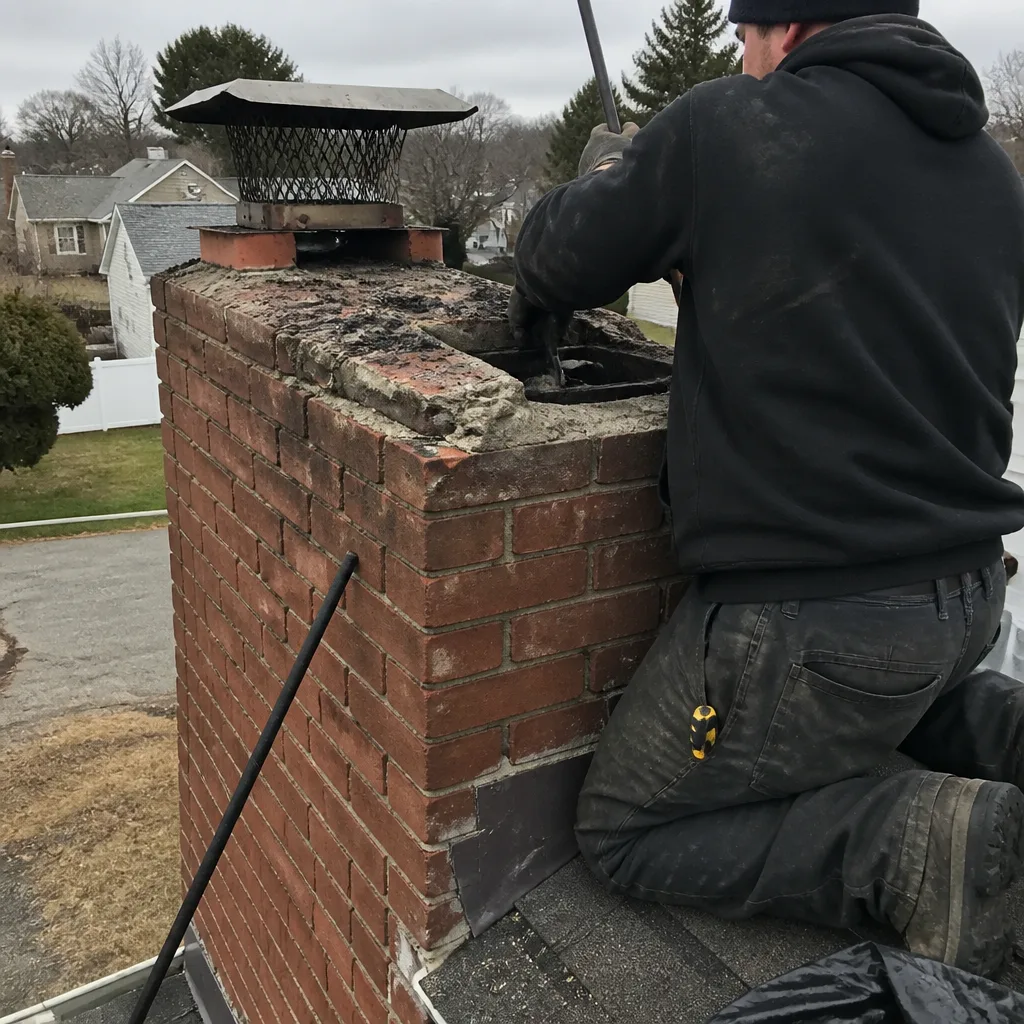
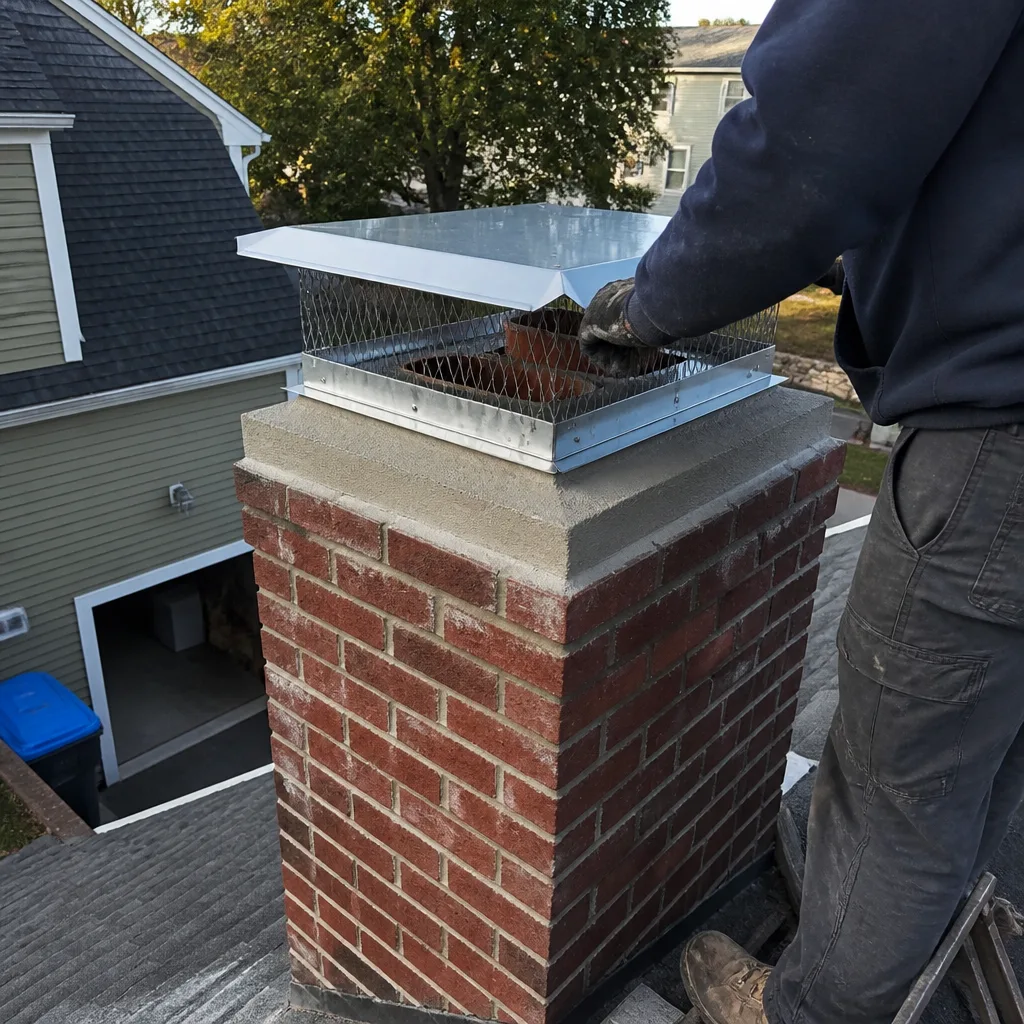
Level 1 sweep and inspection to the NFPA 211 annual standard - flue, crown, cap, and flashing checked and photographed
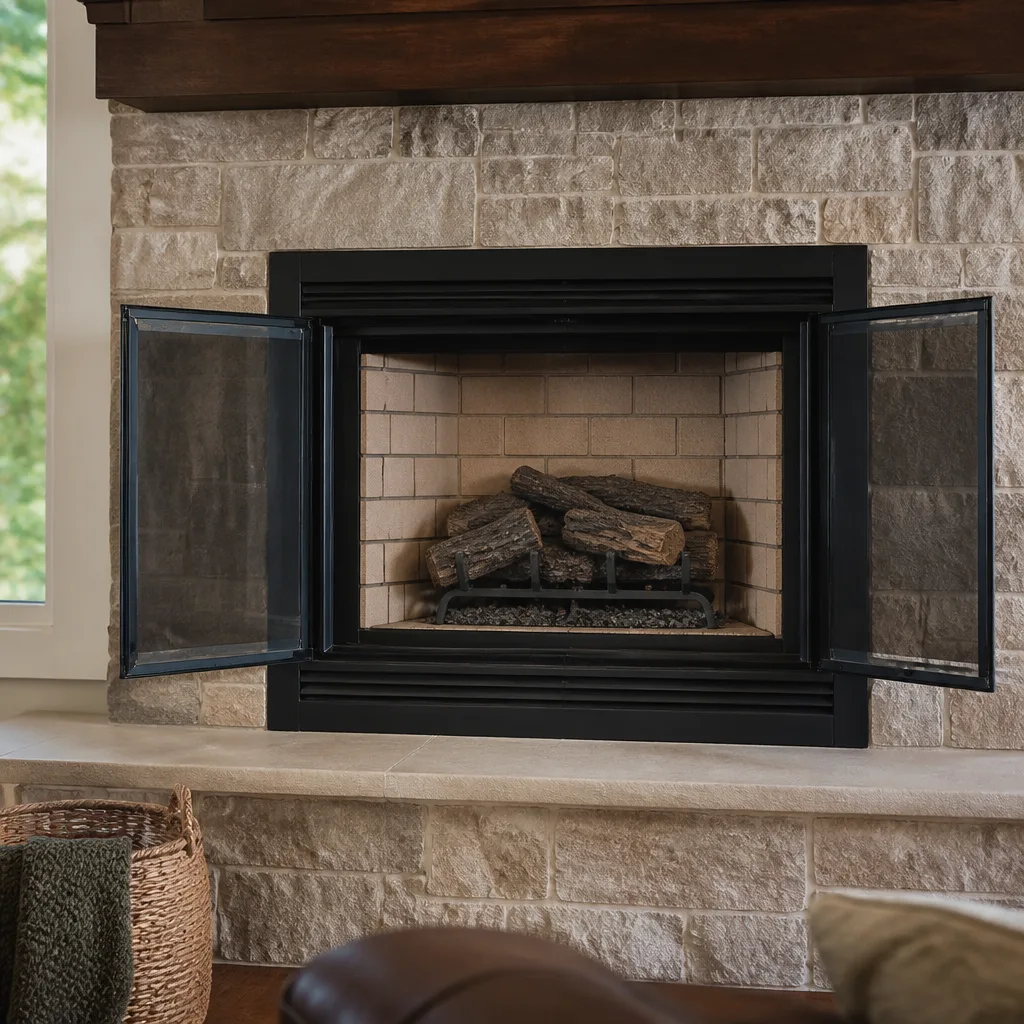
Chimney sweep logs do not sweep chimneys. They loosen some creosote - which then falls where a brush and vacuum still have to collect it.
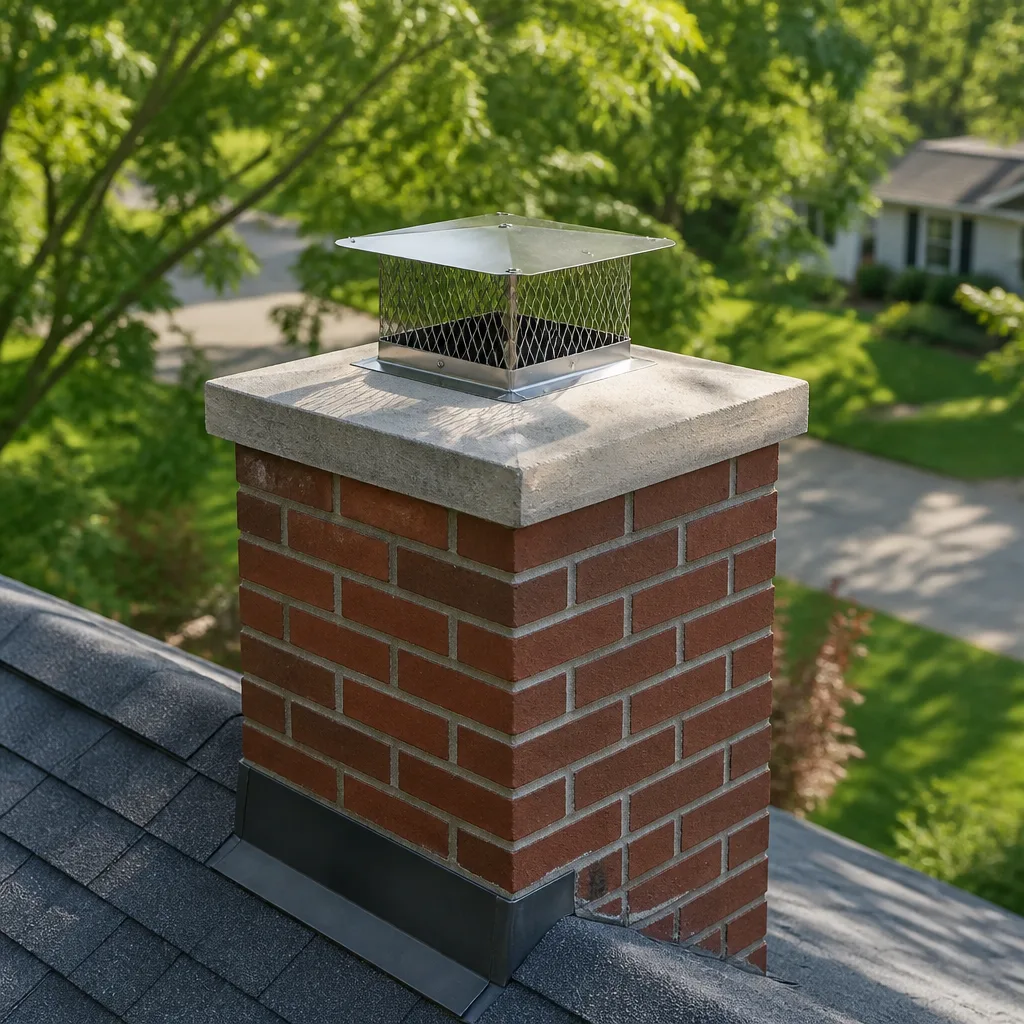
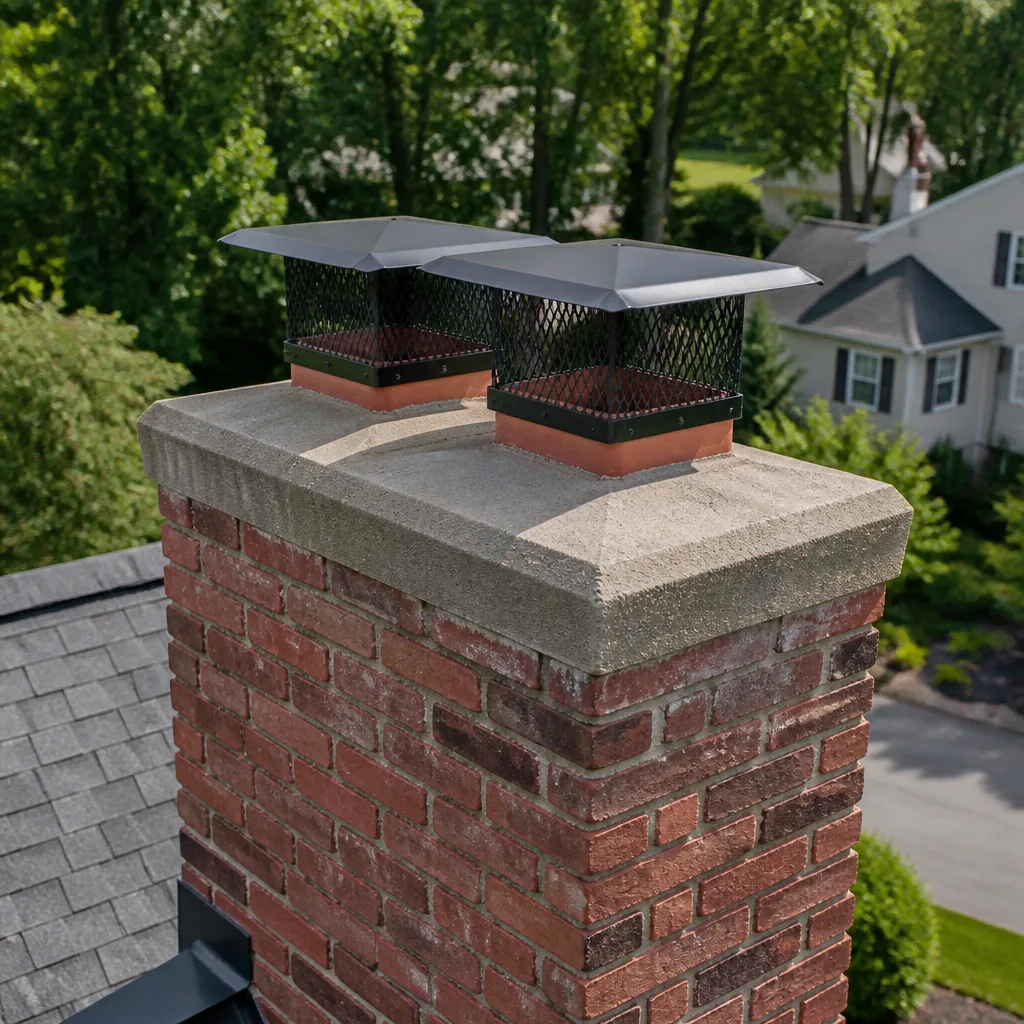
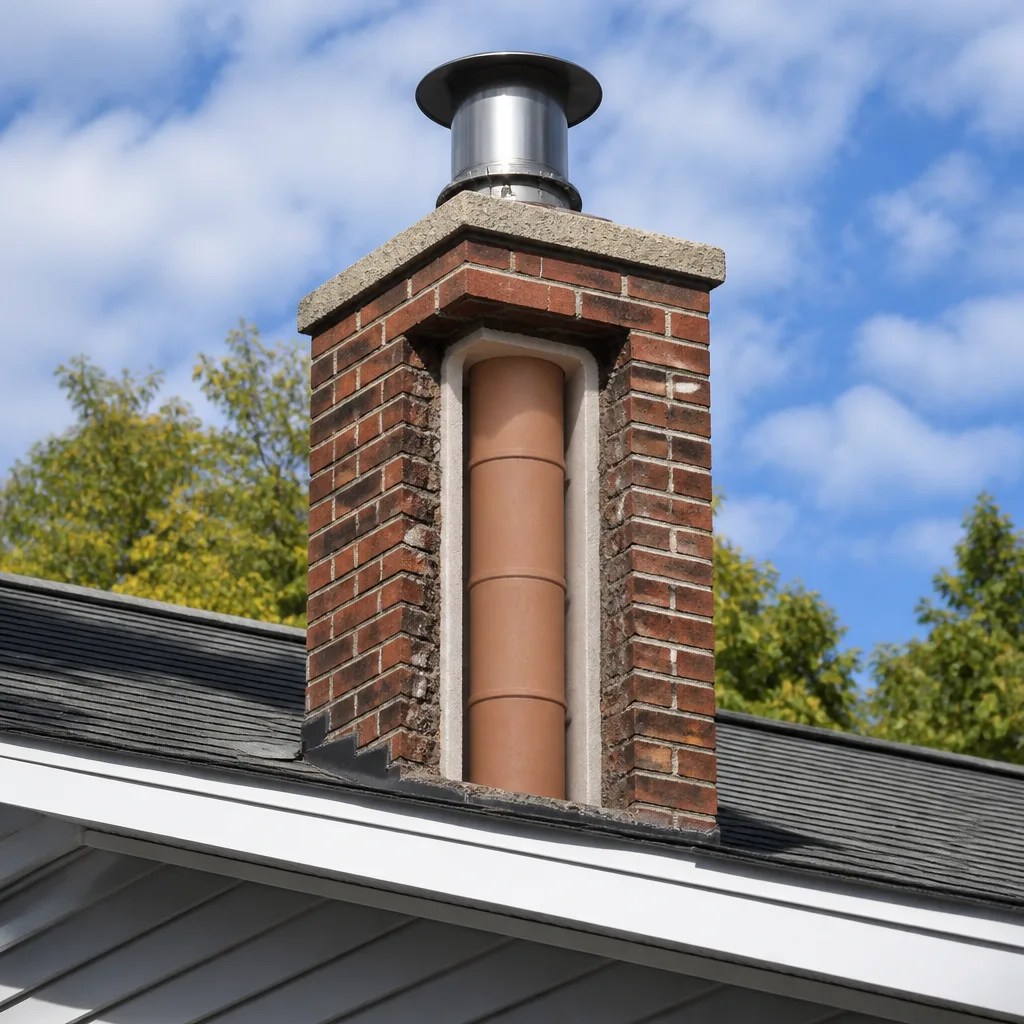
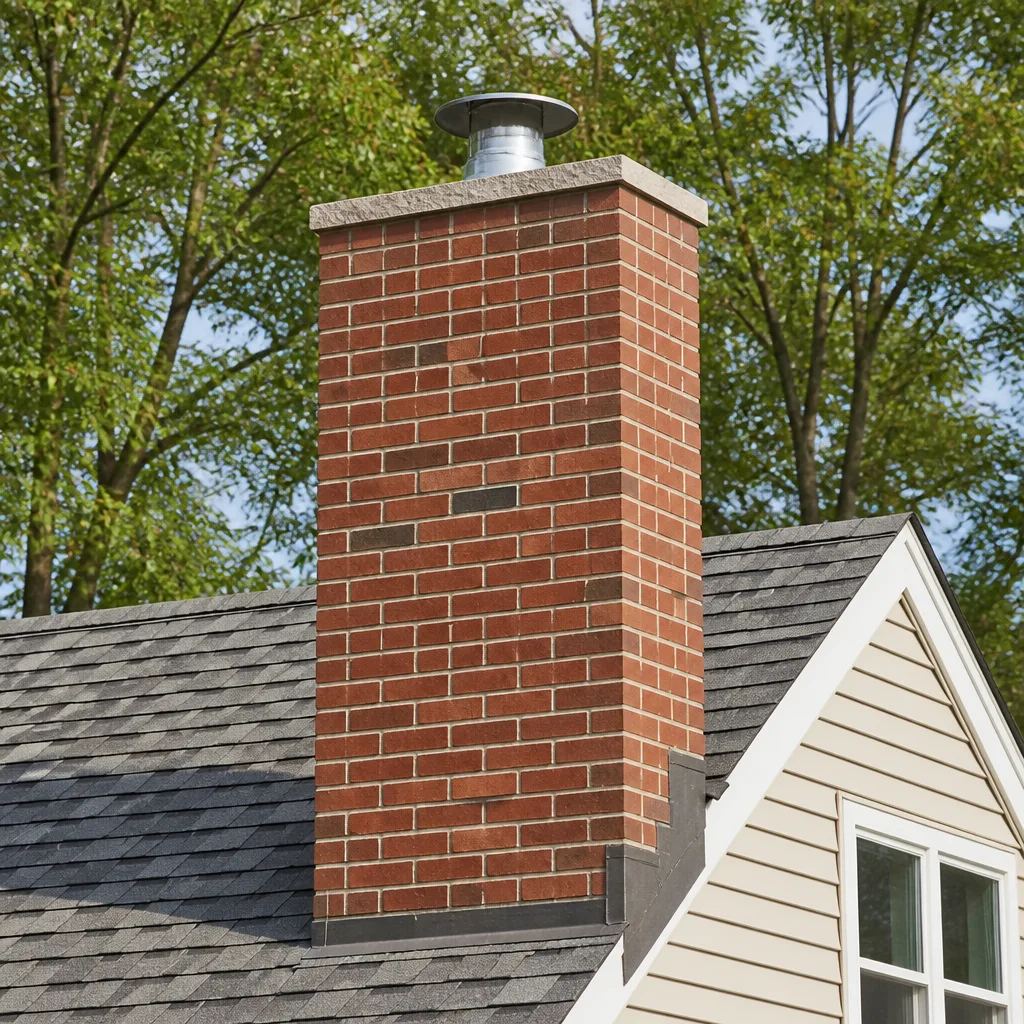
 Before
 After
After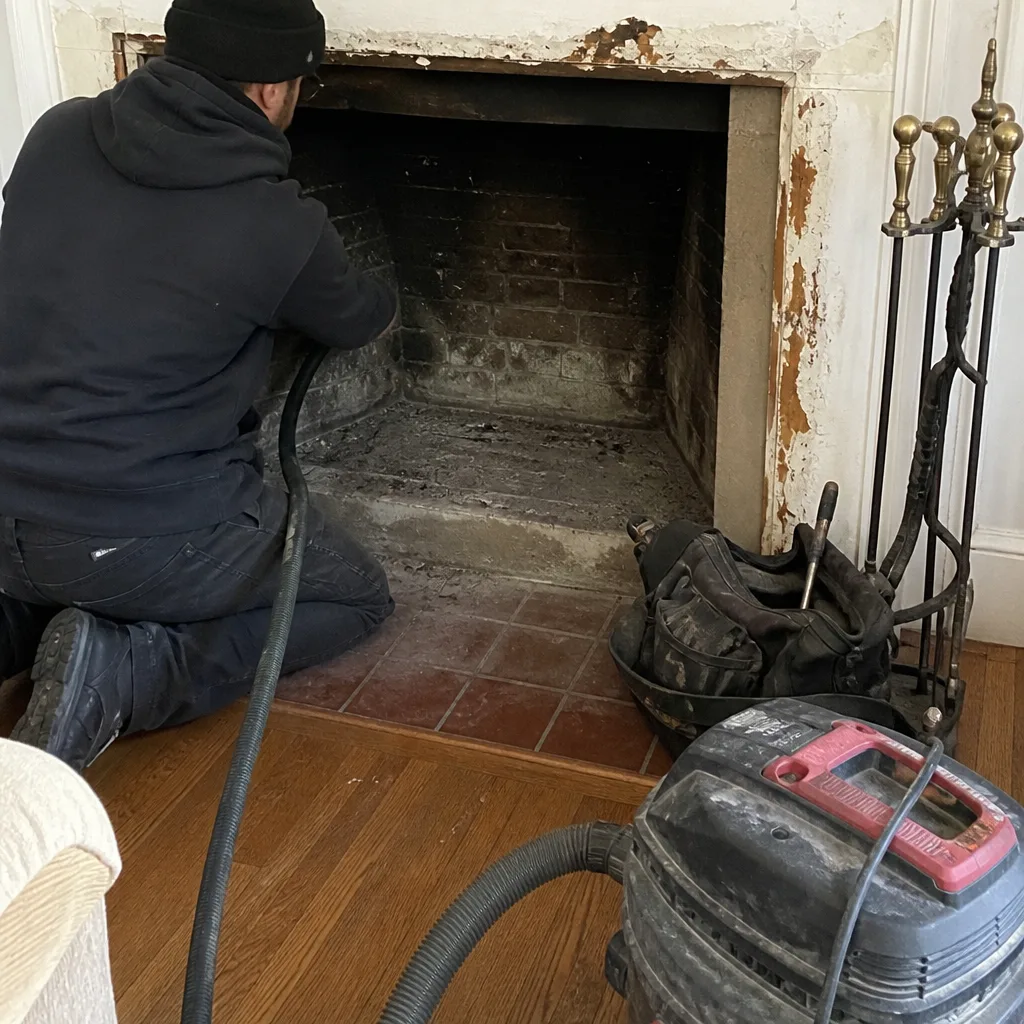 Before
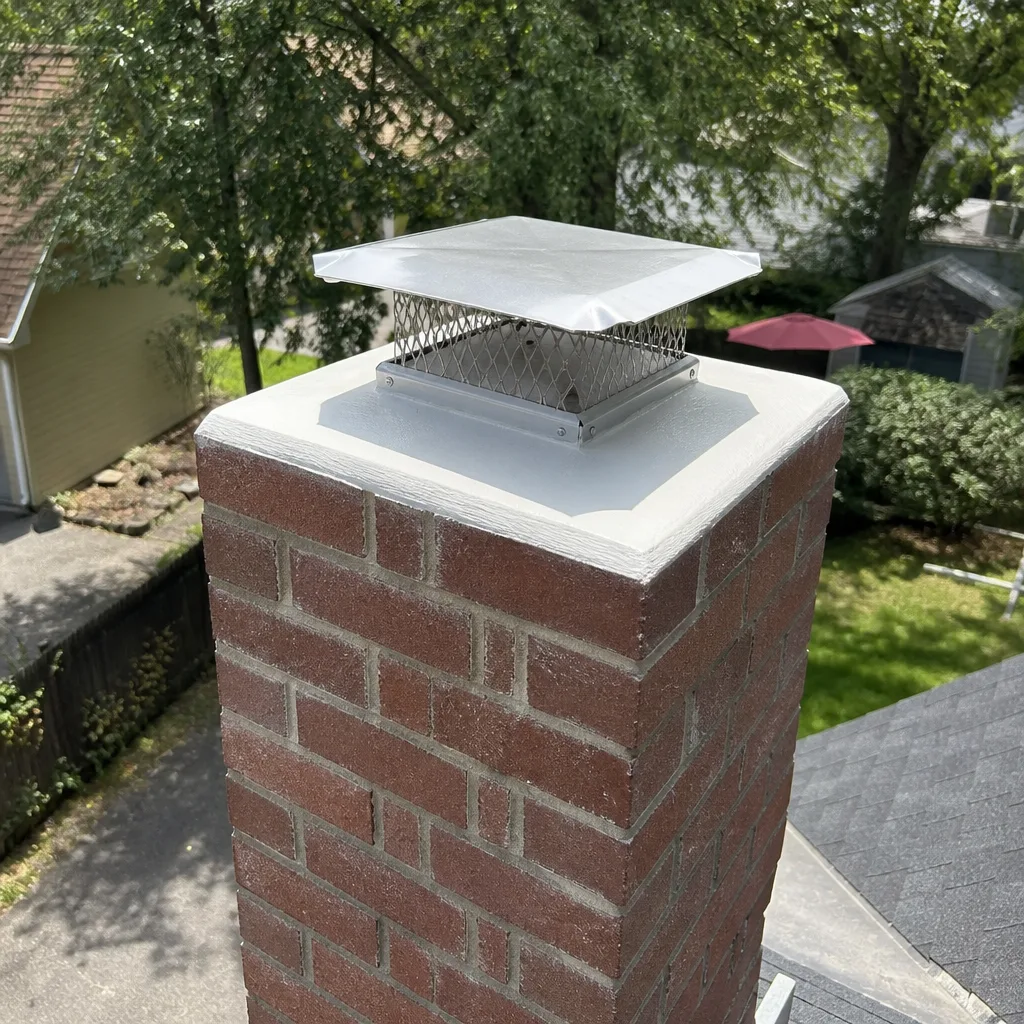 After
After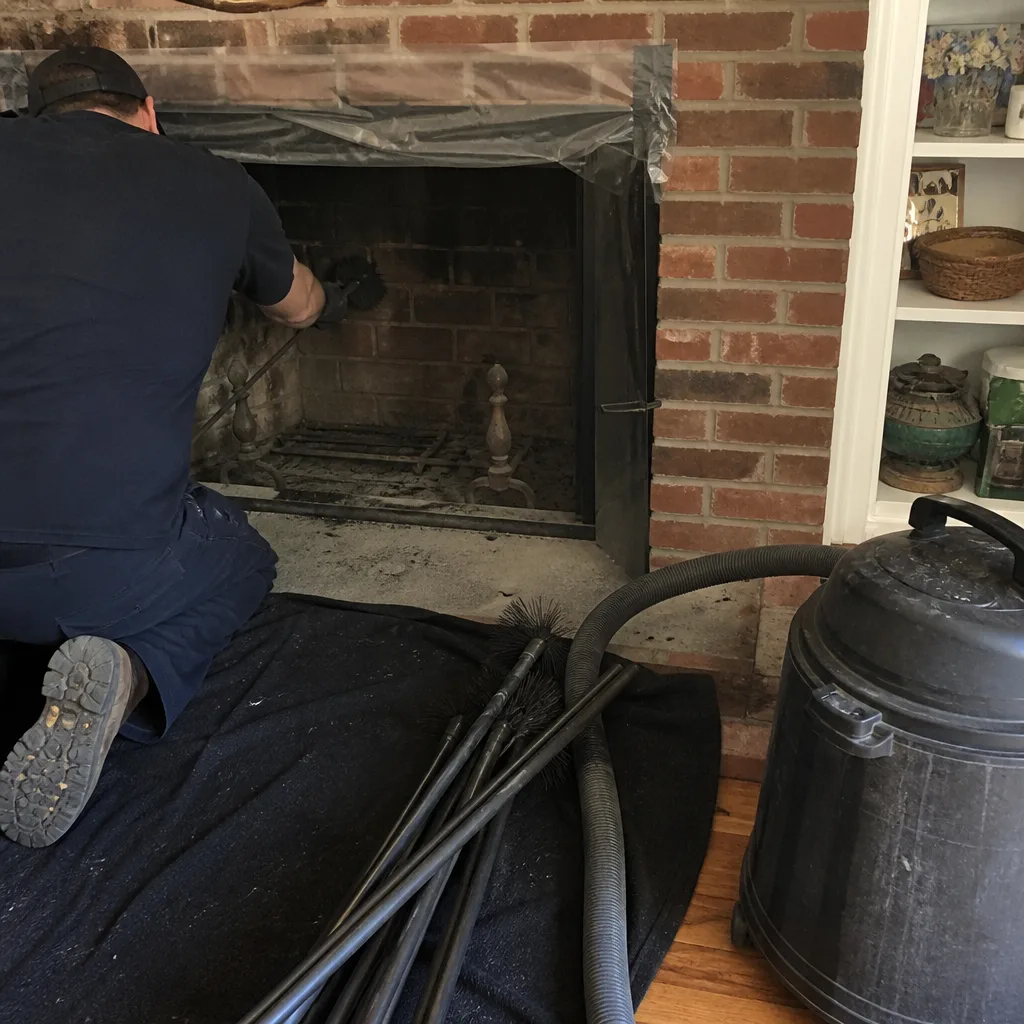 Before
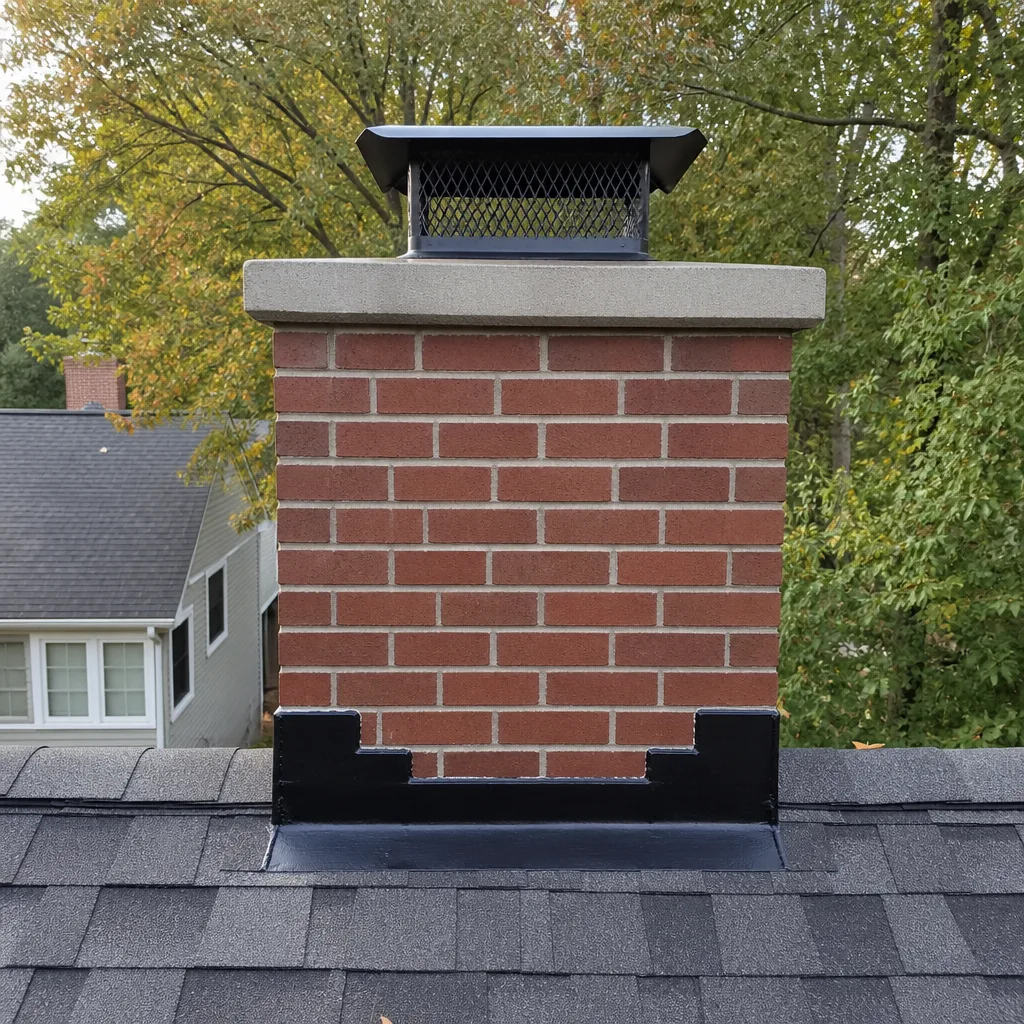 After
AfterDuraFlex Chimney Liner & Rebuild in Quincy: What to Know First
We install, repair, and rebuild DuraFlex chimney liners in Quincy, and most liner jobs take us one full day from setup to final camera check. We are an independent DuraFlex service provider, not a factory branch, which means we will tell you honestly whether your liner needs replacing or has years left in it. If you are holding a quote from another company and want a straight answer, call (781) 277-4630 and ask for Wendell.
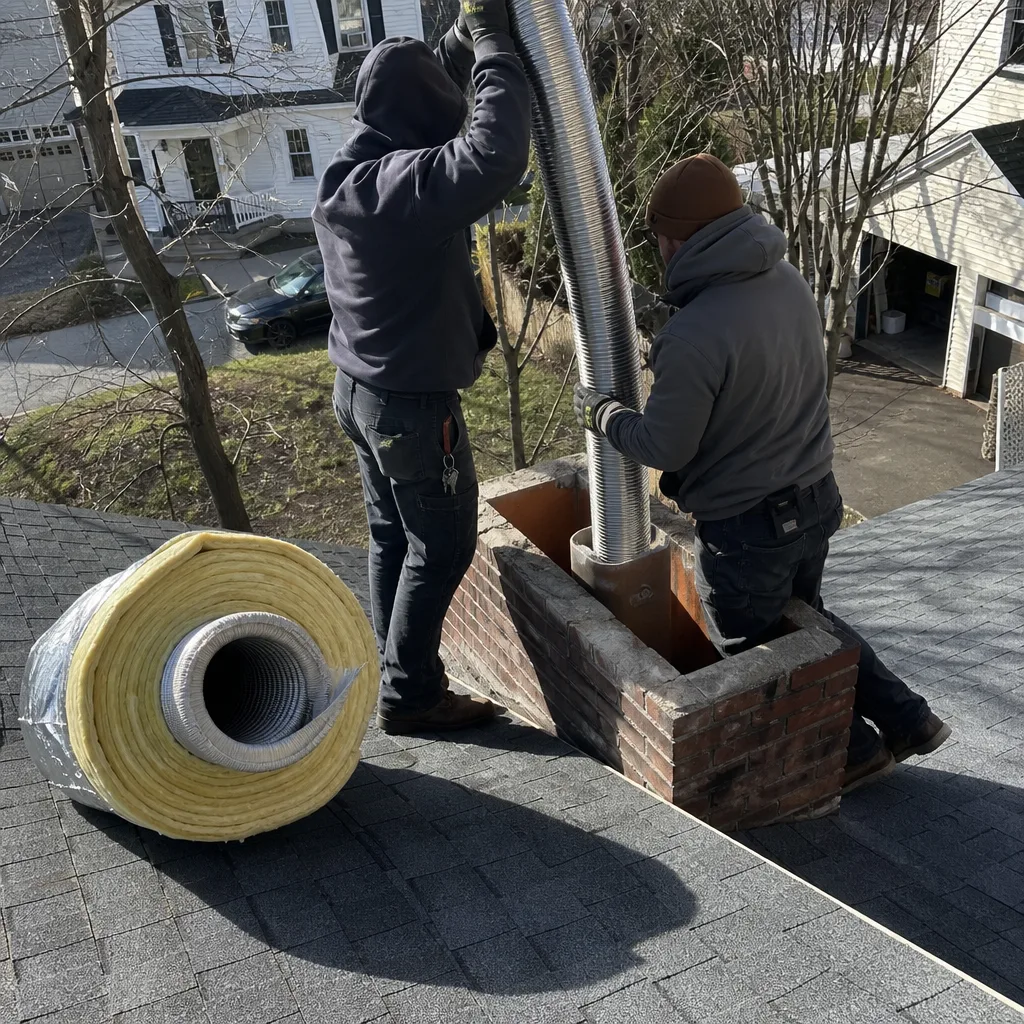
This page is for Quincy homeowners who have a DuraFlex liner, or are told they need one, and want to know what actually happens when these liners age in a coastal New England climate. No brand fluff. Just what we see on roofs from Merrymount to Wollaston.
How DuraFlex Products Fail - and How We Fix Them
- DuraFlex 304L alloy liner seam separation at the first bend above the firebox. In Quincy colonials with shallow fireboxes and steep offsets, the flexible corrugations take more thermal cycling than the factory seam was ever asked to handle. Over ten or twelve winters, the seam opens a hairline gap. You won’t see it from the top. We find it with a camera, and we fix it by replacing the affected section with 316Ti alloy, which holds up better against the acid condensate that sits in offset bends.
- The “it whistles on windy nights” complaint, which is almost never the liner itself. DuraFlex liners are corrugated, and when a liner is sized with too much annular space between the liner and the old flue wall, wind moving over the chimney cap creates a venturi whistle. Homeowners blame the liner, but the liner is fine. The real fix is an insulated wrap around the liner to kill the resonance, plus a properly sized cap. That’s a two-hour job, not a rebuild, and we tell you that before we quote anything.
- Pinhole corrosion at the bottom connector, especially in homes within half a mile of Quincy Bay. Salt air and flue gas condensate mix into a mild acid that eats the thin connector section where the liner meets the appliance outlet. We see this concentrated on the bottom three feet, not the full liner. In many cases we can section out and replace just the lower run. If the upper run measures clean with no wall thinning, you don’t spend for a full liner.
- The liner that shifts during a partial chimney rebuild. When a Quincy chimney needs crown and shoulder work, some crews disturb the existing DuraFlex liner and leave it kinked or misaligned where it passes through the smoke shelf. A kinked corrugation creates an invisible restriction. Before we touch one brick of a rebuild, we scope and document the liner’s exact position. After the masonry work, we scope again and pull the liner straight if it moved. Most companies skip the second camera pass. We won’t.
- DuraFlex Pro Series installed without an insulation wrap, which voids the manufacturer’s limited lifetime warranty in most cases. The Pro Series is designed for high-efficiency gas and oil appliances, and the warranty language assumes proper insulation around the liner. If your liner was installed bare, you may not have the warranty you think you do. We document this on camera and explain your options before recommending a replacement. Sometimes the answer is insulating the existing liner rather than tearing it out.
Our DuraFlex Chimney Liner & Rebuild Process
- 1
The call. You get a live person, day or night. Wendell or one of his crew takes the details and we schedule a visit. No call center.
- 2
The site check. We arrive with a uniformed, background-checked tech, look at the liner from top and bottom, and run a camera through the full run. You see the footage on our screen while we explain what it means in plain English.
- 3
The parts decision. Where an OEM DuraFlex section is available and warranted, we use OEM. Where the OEM lead time is six weeks out of a distributor and a quality 316Ti aftermarket section meets or exceeds the original alloy spec, we tell you the difference and let you decide with honest numbers.
- 4
The repair or rebuild. We do the liner work or the masonry rebuild, or both, in the right order so the liner never gets kinked or crushed. Everything is staged so the liner goes in clean.
- 5
The test. After the job, we run the camera again and show you the completed liner on screen, top to bottom. No mystery, no “trust us.”
- 6
The promise. Every job carries the 90-Day Done Right Promise in writing. If it’s not right, one call brings us back at no charge.
What DuraFlex Chimney Liner & Rebuild Costs in Quincy
A straightforward DuraFlex liner replacement in a single-story Quincy ranch typically runs $1,600 to $2,800 depending on flue height and whether the existing cap and crown are sound. Add a partial rebuild for a spalled crown and a few courses of brick, and you are looking at $3,200 to $5,500 for the combined job. A full chimney rebuild from the roofline up in older colonials around Quincy Center runs $6,000 to $11,000 depending on height, access, and whether the firebox needs work too. What moves the price is access, liner length, whether insulation is required, and what we find when the masonry comes apart.
Call (781) 277-4630 for a free estimate. We quote upfront before any tool comes off the truck, and the number we give you is the number on the invoice.
Why Quincy Homeowners Call Top Hat Chimney for DuraFlex Work
Wendell Pike started Top Hat Chimney in 1999 and has been driving Quincy streets ever since, from the water side up through the quarry neighborhoods. He learned the trade at Southwestern College, and after two decades on local roofs he can usually tell you what is inside a chimney before he opens the cleanout. We work on DuraFlex, HeatShield, and Gelco liners, so when we recommend one system over another we are comparing them from direct field experience, not from a brochure. The 90-Day Done Right Promise is in writing on every job. You know who did the work, and you will probably run into him at the hardware store on Saturday.
FAQs
Once a year, burn or no burn. Even if the liner looks fine from the top, the bottom connector and the first offset bend are where Quincy salt air and condensate do their quiet work. We camera the full run every time, no exceptions.
Repair is often possible because flexible liners fail in sections. Where physical damage is limited to the lower run, we can cut out and replace just that section rather than pulling the entire liner. If the whole run is pinhole-corroded or seam-separated, replacement is the honest answer. We will show you the footage either way.
Not always. Home inspectors are required to flag anything outside the ordinary, and we do free second opinions on any written estimate or inspection report. If the existing DuraFlex liner measures out with acceptable wall thickness and sound seams, we will say so, and Wendell will tell you if you can wait. “If it does not need cleaning, I will tell you that too.” Same goes for liners.
A compromised liner can allow hot gases and carbon monoxide through the flue wall into the house framing, and creosote buildup in the damaged area increases chimney fire risk. The liner is not a cosmetic part; it is the barrier between combustion and your house. That risk is real, and we will show you exactly what we see before we recommend any work.
Most liner replacements or partial rebuilds are scheduled within one to two weeks and completed in a single day for the liner portion. Masonry rebuilds take longer depending on weather and access. Call (781) 277-4630 and we will give you a real arrival window, not a four-hour open-ended guess.
Written by Wendell Pike, Owner, Top Hat Chimney at Top Hat Chimney, serving Quincy and nearby areas.