
Last updated September 10, 2026
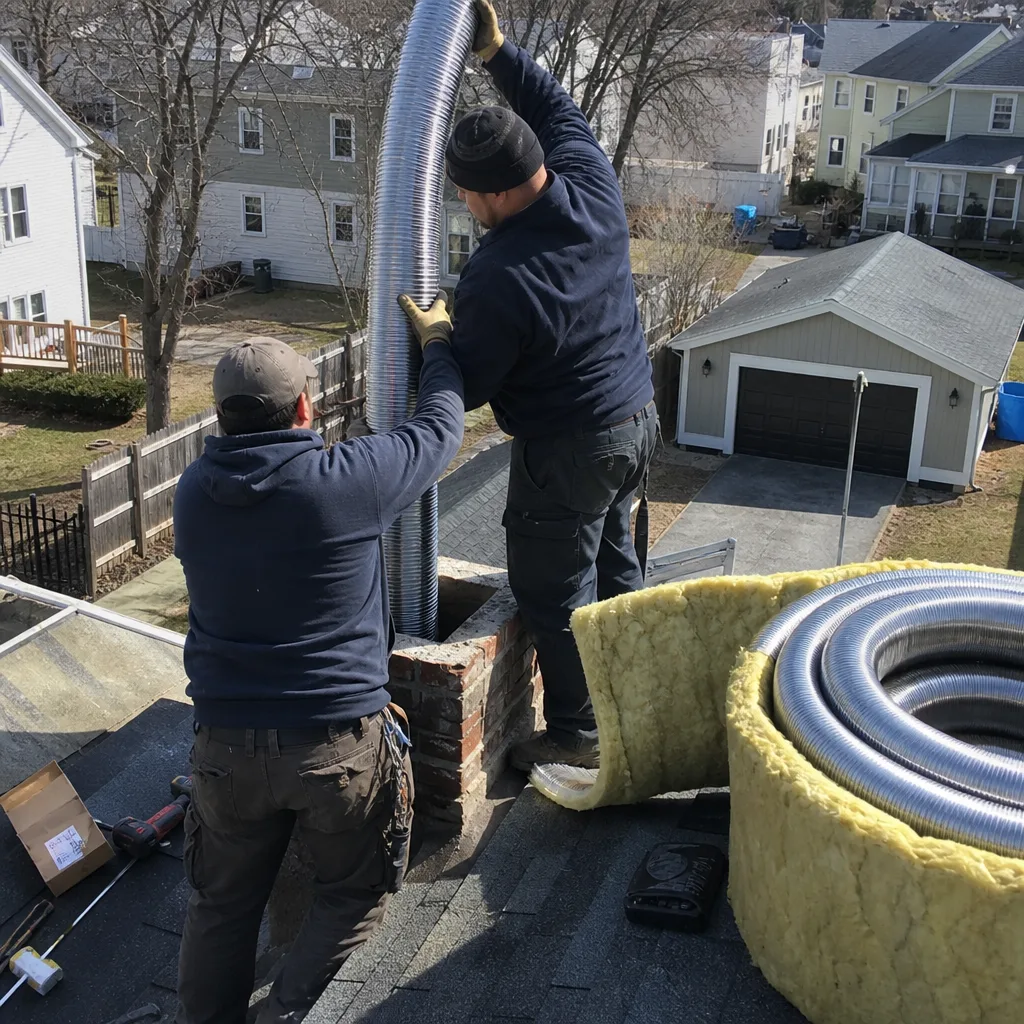
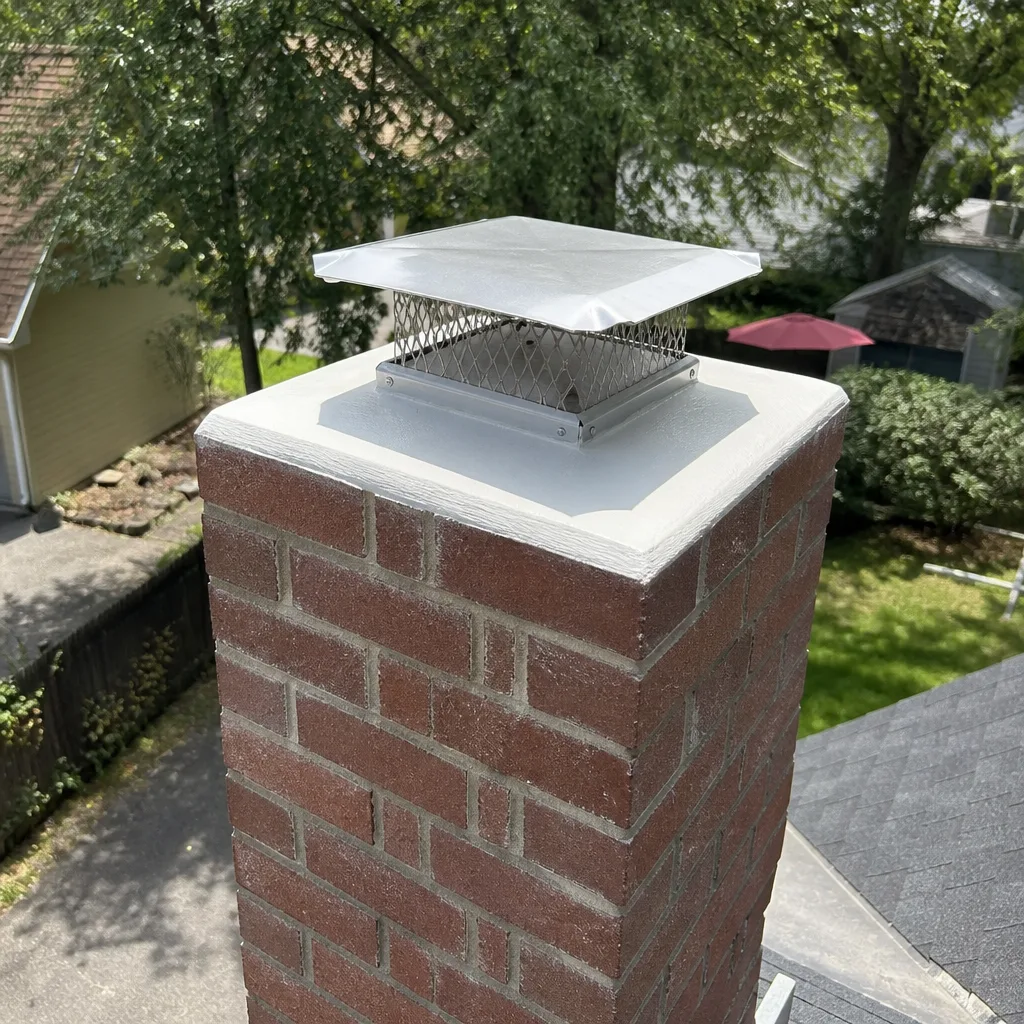
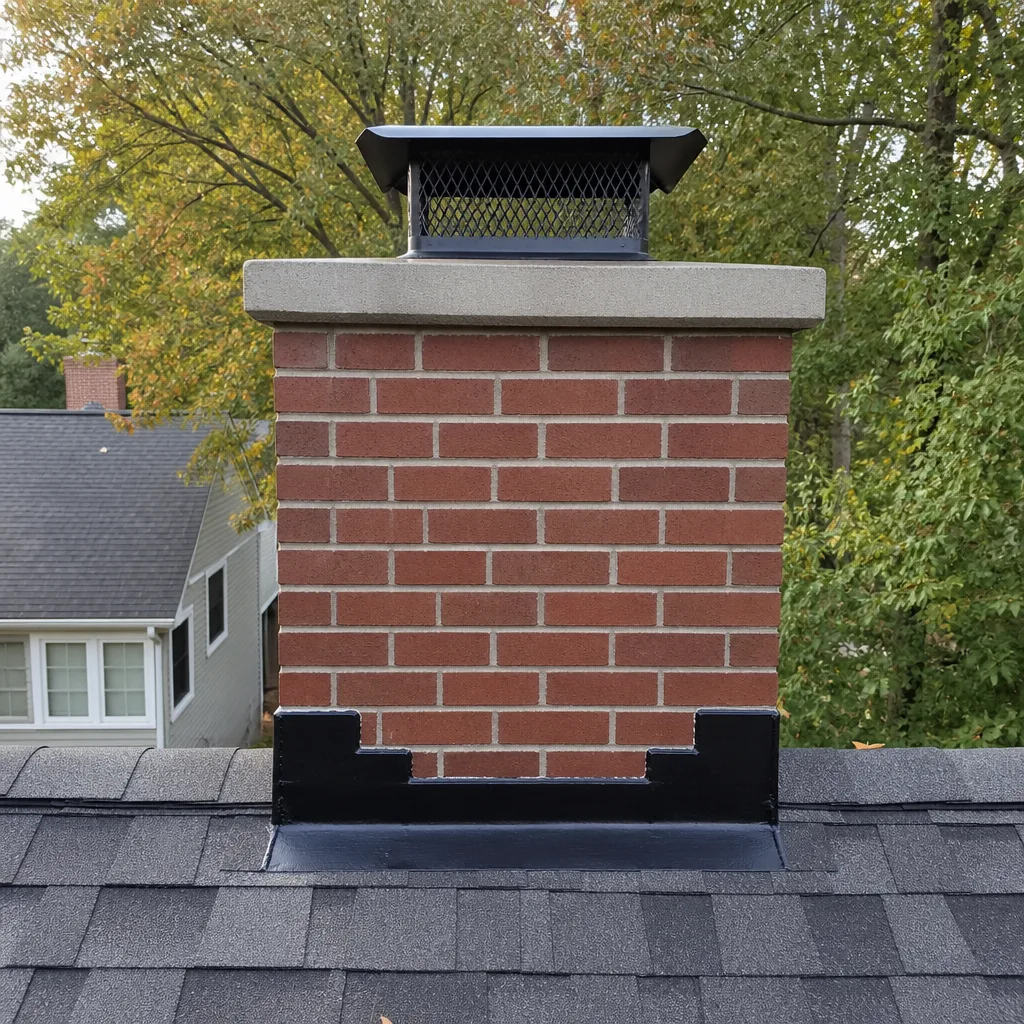
Level 1 sweep and inspection to the NFPA 211 annual standard - flue, crown, cap, and flashing checked and photographed
Chimney sweep logs do not sweep chimneys. They loosen some creosote - which then falls where a brush and vacuum still have to collect it.
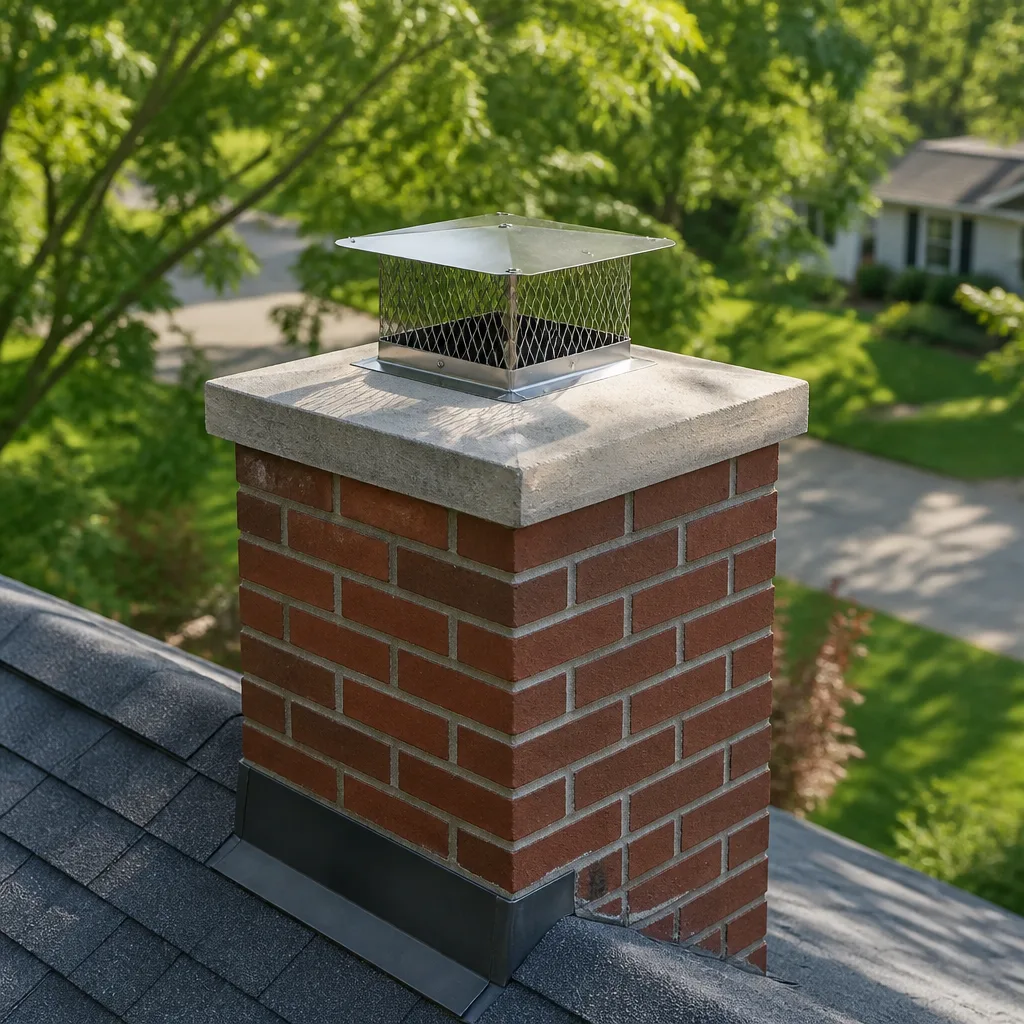
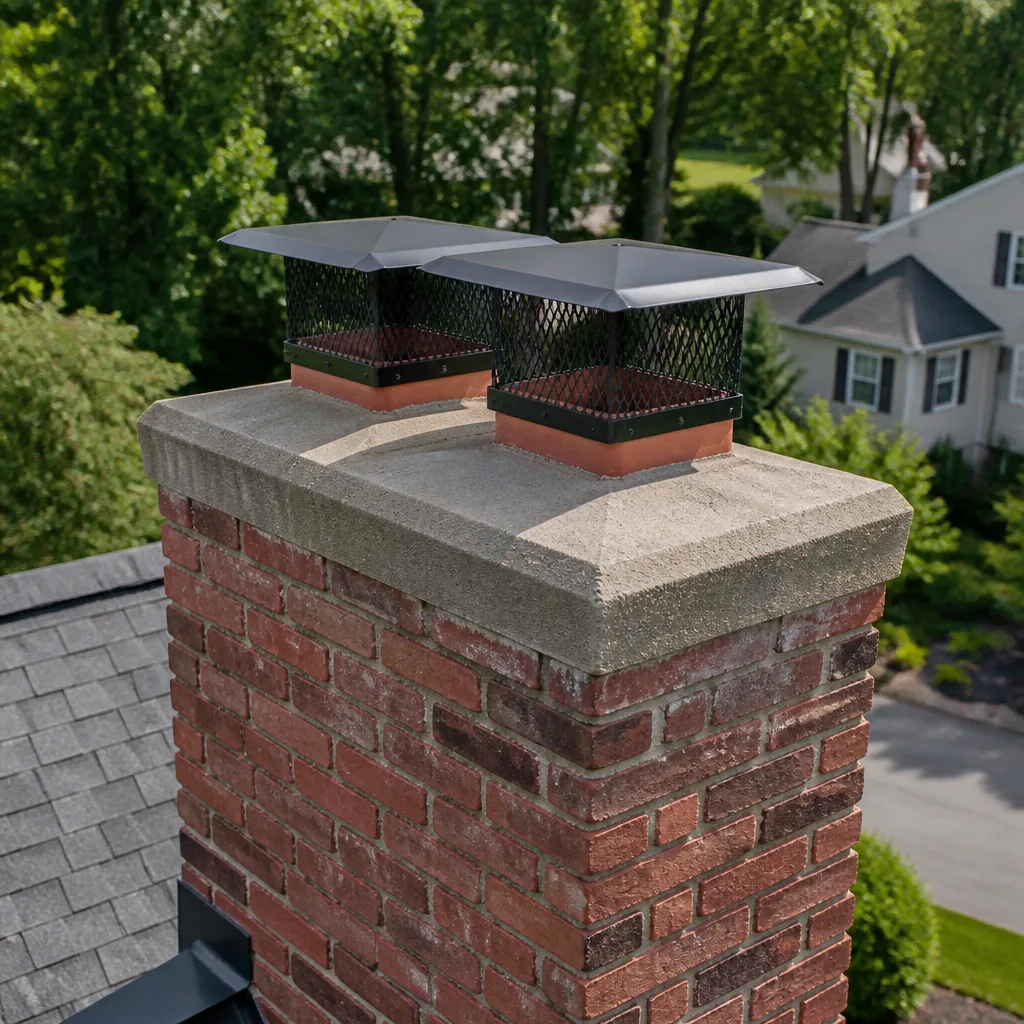
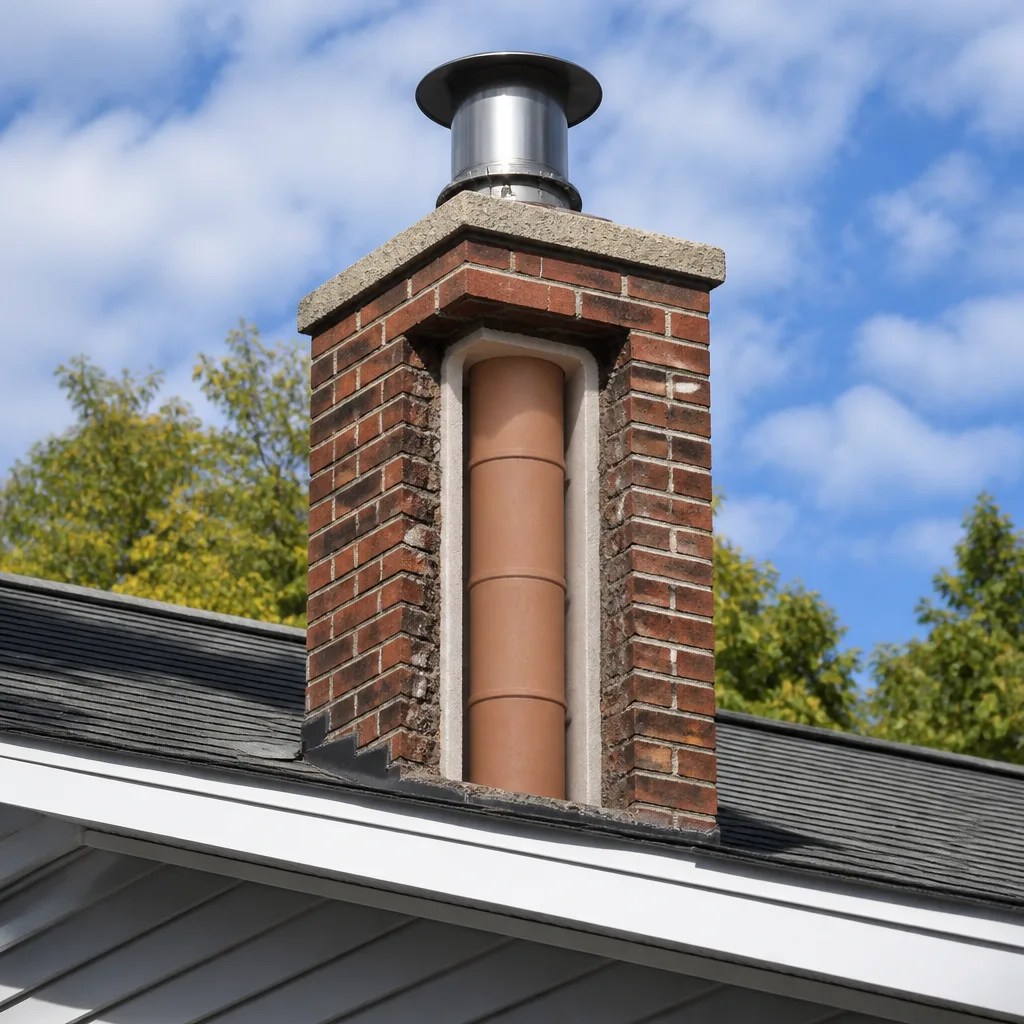
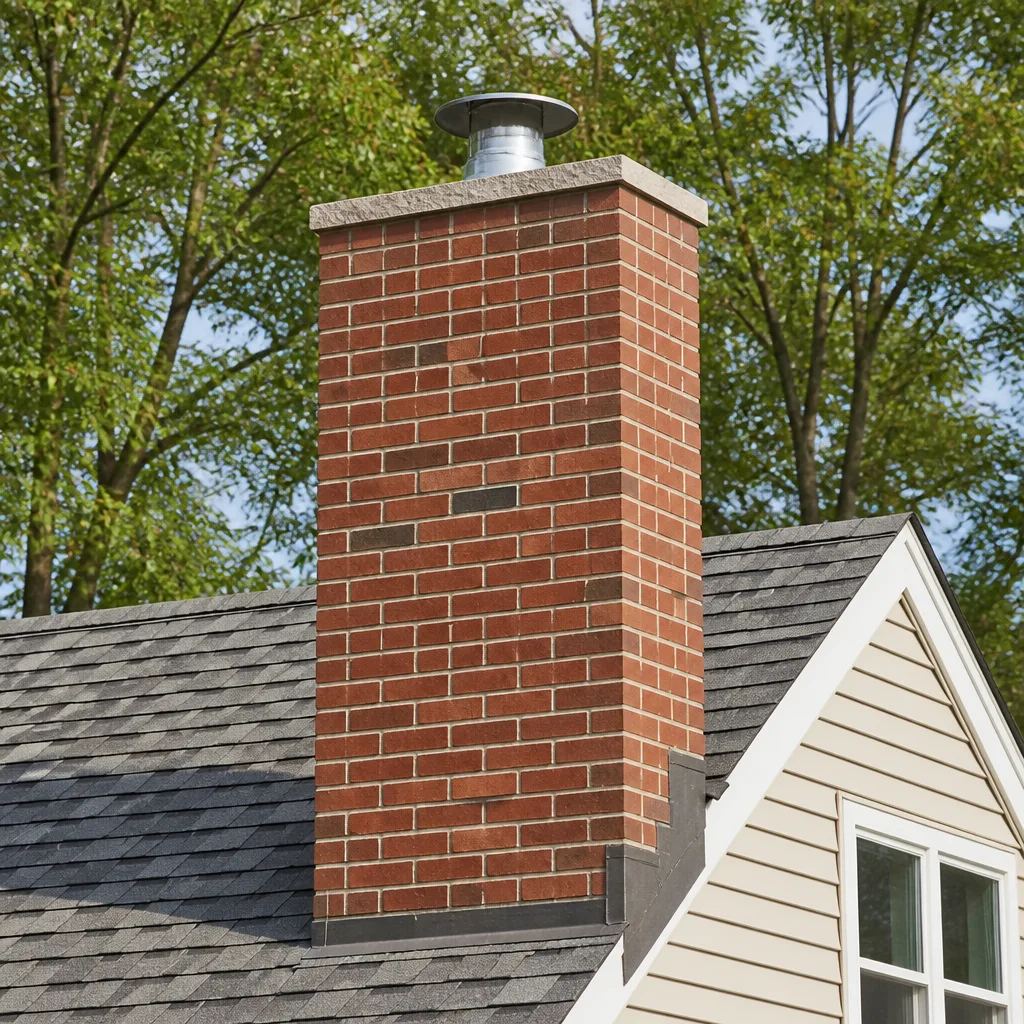
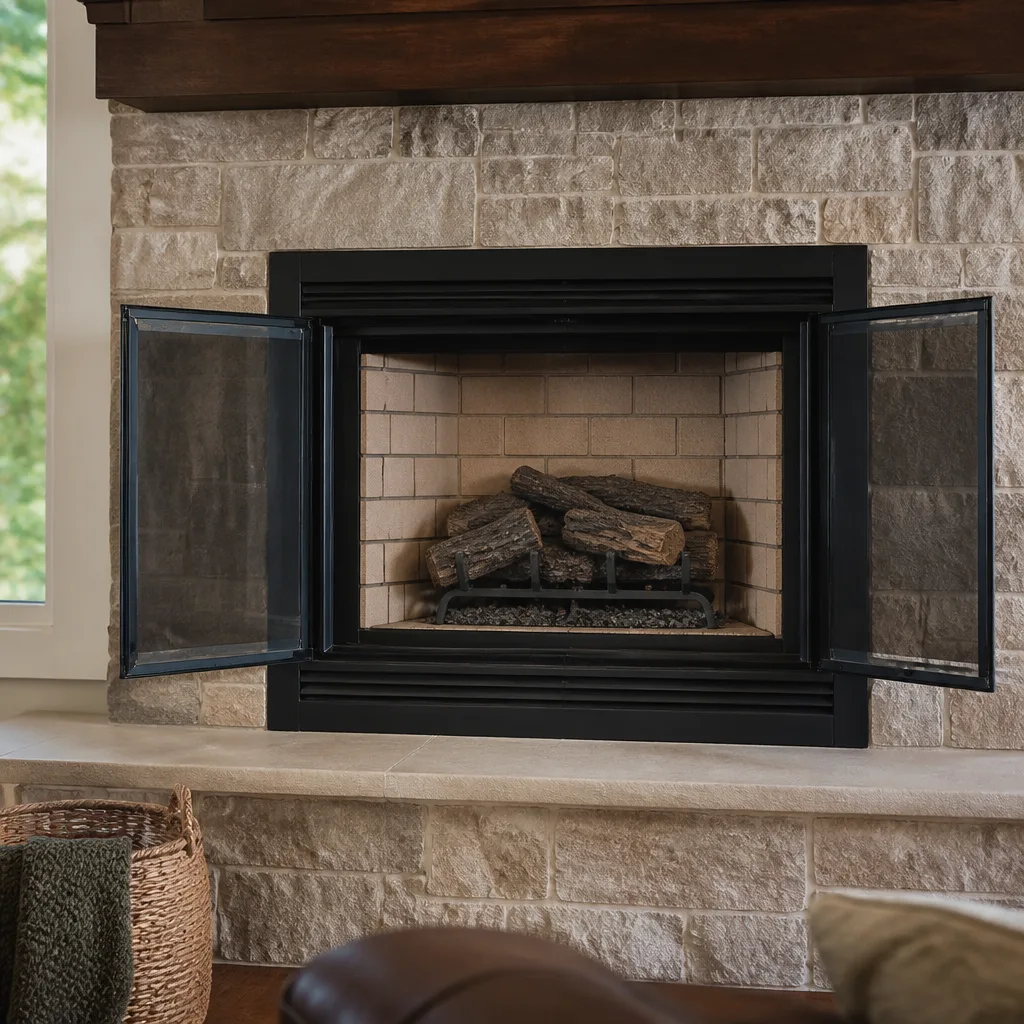
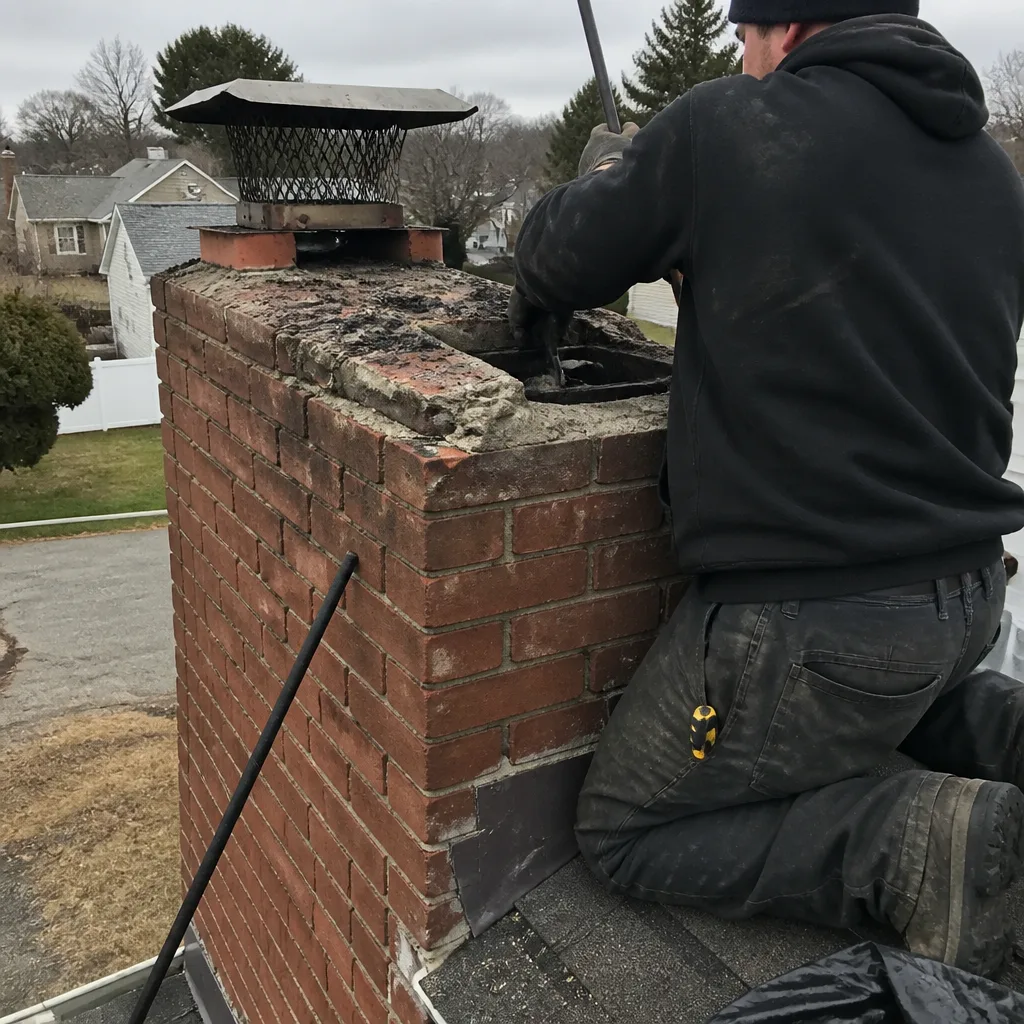 Before
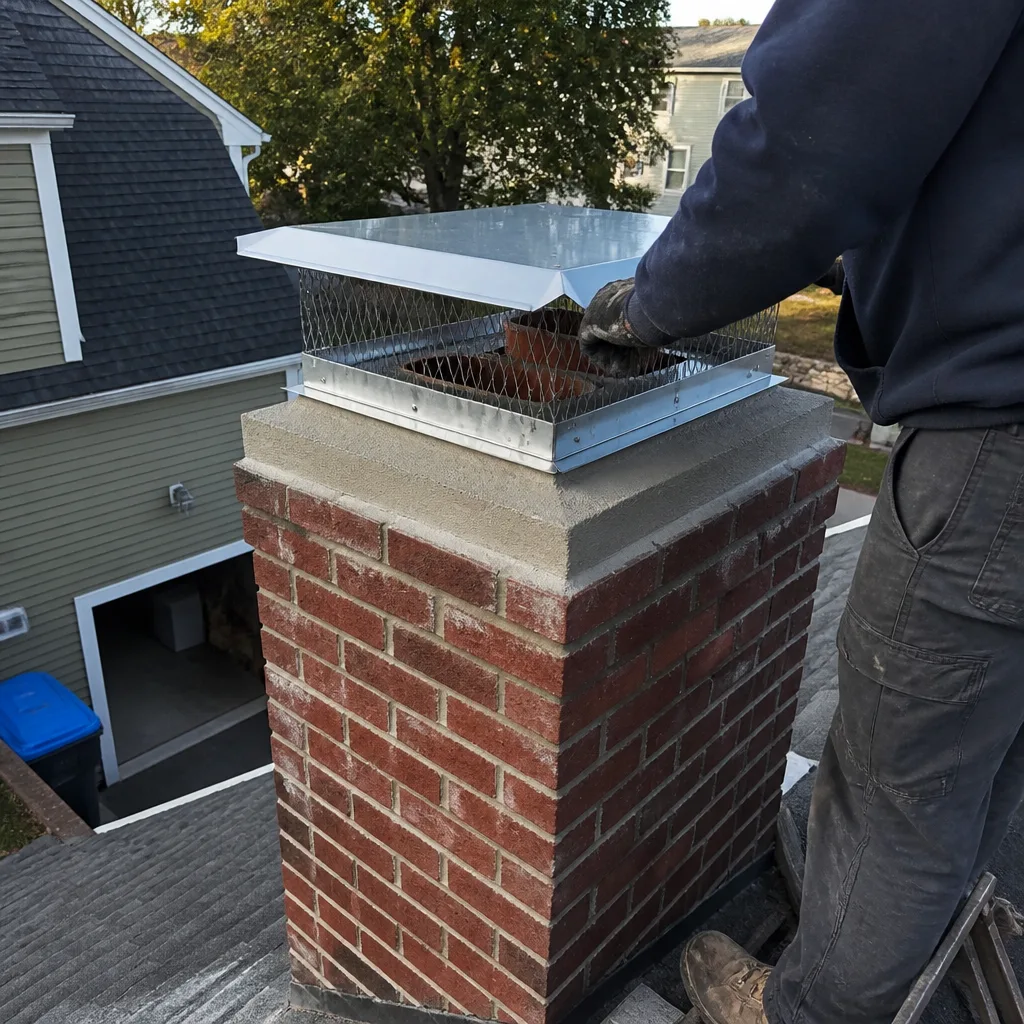 After
After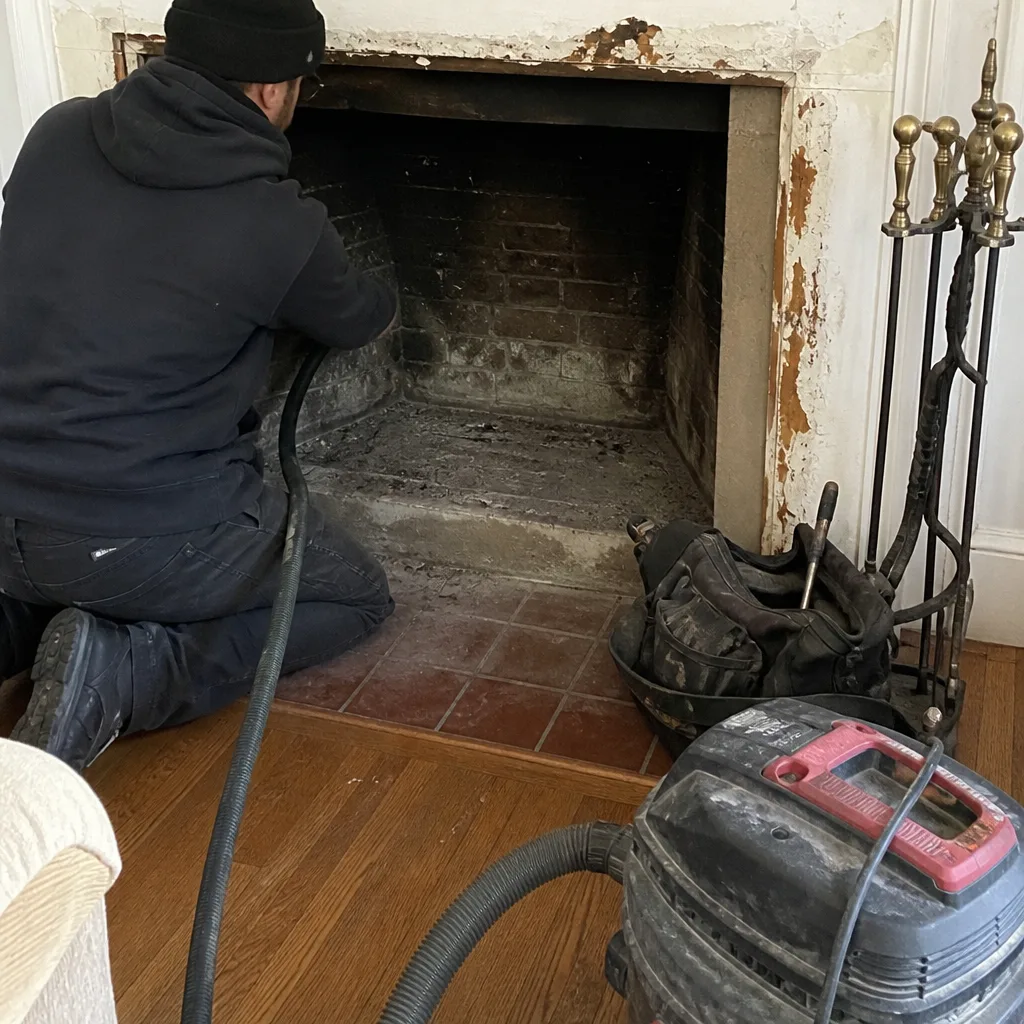 Before
 After
After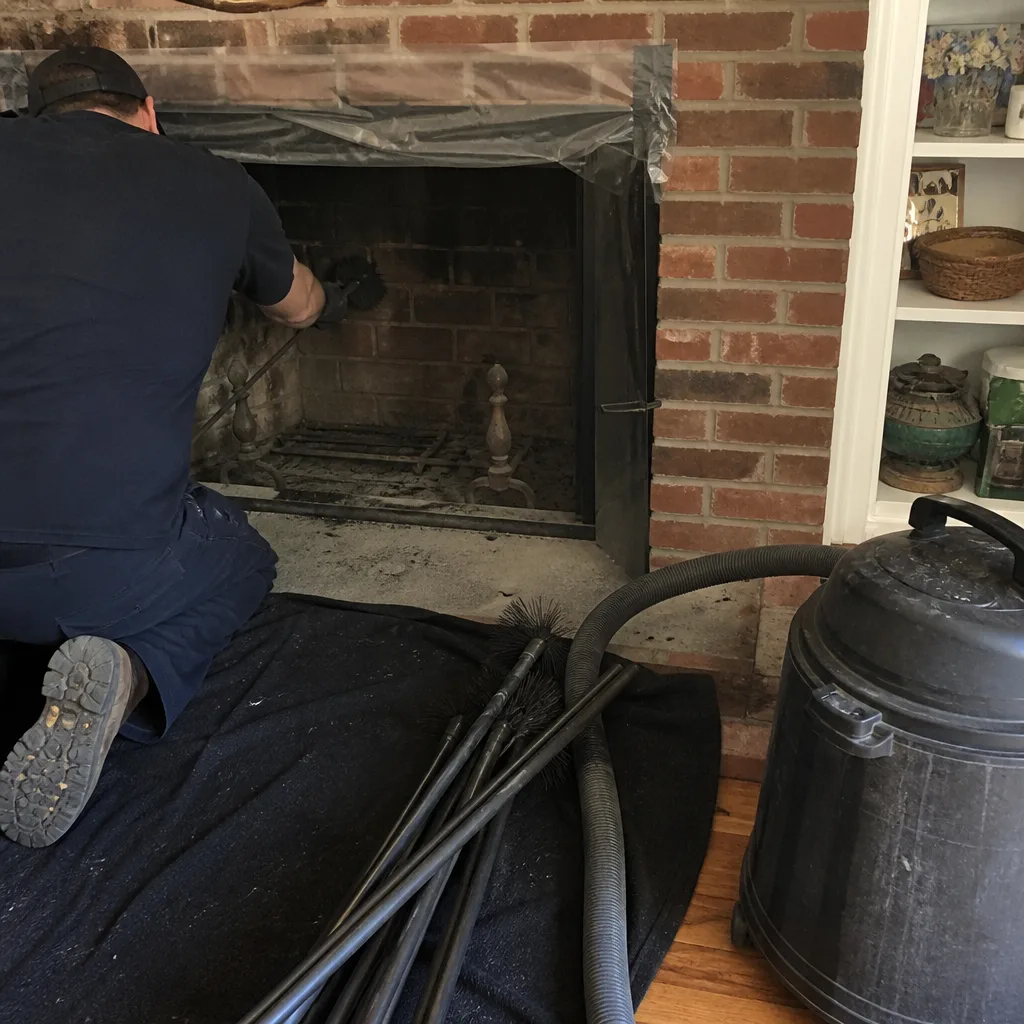 Before
 After
AfterDIY vs Professional Chimney Cleaning: The Quincy Homeowner’s Decision Guide
Most trades will tell you that touching the job yourself voids the warranty, breaks the code, and probably summons a building inspector to your doorstep. Chimney sweeping is different. Some Quincy homeowners can absolutely handle a basic brush cleaning on a simple system, and I’ll tell you exactly who those people are. What I won’t do is pretend the line between safe and sorry is always obvious, because the inside of a flue has a way of hiding the one thing you should have seen. This guide draws that line plainly: when to grab the brush, when to pick up the phone, and what it actually costs to be wrong.
Quick Answer
A homeowner in Quincy with a straight, single-story chimney, stage 1 creosote only, and the right tools can safely handle a basic cleaning once a year. The moment you’re dealing with stage 2 or 3 creosote, a liner that’s older than 15 years, a two-story roof, or a system you can’t see clearly from top to bottom, DIY stops being a money-saver and starts being a gamble with your house. Call Chimney Cleaning & Sweep in Quincy when the system is complex, the creosote is glazed, or you simply don’t want to spend a Saturday on the roof.
Table of Contents
- When DIY Makes Sense for Quincy Homeowners
- When DIY Is Genuinely Dangerous or Ineffective
- The Tools You Need and What They Actually Cost
- What You Cannot Assess Yourself, Even With a Good Light
- Massachusetts Insurance and Liability: The DIY Fine Print
- The Honest Cost-Benefit: Equipment, Time, and What You Miss
- Common Mistakes to Avoid
- When to Call a Professional
- Frequently Asked Questions
When DIY Makes Sense for Quincy Homeowners
Before anyone gets a stiff neck staring up a flue, let’s define the only conditions under which I’d hand a brush to a homeowner and say, genuinely, go for it. These aren’t edge cases. Plenty of older Quincy homes, particularly the capes and ranches in Wollaston and Merrymount, have simple masonry fireplaces with a straight shot from the firebox to the chimney cap. If that describes your house, a careful homeowner can handle a basic sweep. For everyone else, our How to Hire a Chimney Cleaning Contractor in Quincy: A Step-by-Step Guide explains what to look for in a pro.
Here’s the checklist. Not some of these, all of them:
- Your chimney is straight. A vertical run with no bends, no offsets, no smoke-chamber gymnastics. If the flue takes even one turn, you cannot get a brush through it properly from top or bottom without specialized equipment.
- You have a one-story roof line with safe access. Standing on a wet Quincy roof in November is not the time to learn how your balance works. If you need a 28-foot ladder and a safety harness you don’t own, this is no longer a DIY job.
- Your creosote is stage 1. This is the loose, dusty, flaky stuff that comes off with a brush. If it looks like tar, if it has a sheen, if it sounds hard when you tap it, stop. That is not a brush problem.
- You own, or are willing to buy, the right tools. More on this below, but a proper chimney brush system for a specific flue size is not the same as the plastic thing from the big box store’s seasonal aisle.
- You can inspect the full flue. Meaning you have a bright flashlight, a mirror if needed, and you can see from the smoke shelf all the way up. If you cannot see the entire surface, you are guessing. Guessing is how fires start.
- You can commit the time and the mess management. A proper DIY sweep means sealing the firebox opening with plastic and tape, sweeping top-down, then cleaning the firebox. If that sounds like too much, it probably is.
In our experience, we’ve found that about one in five Quincy homeowners who call us for a first sweep have a system simple enough that they could have managed the basics themselves. The problem is that the other four in five can’t tell the difference until someone looks properly.
When DIY Is Genuinely Dangerous or Ineffective
Now the part most sweep companies won’t say plainly because they don’t want to be accused of scare-selling. Here’s what I’ll say: some conditions aren’t just a reason to call a professional. They’re a reason to stop using the fireplace until someone who knows what they’re looking at has done a proper inspection.
Stage 2 or stage 3 creosote. Stage 2 is the crunchy, tar-black accumulation you can chip with a thumbnail. Stage 3 is glazed, shiny, hard as concrete. A brush will not remove either. In fact, brushing stage 3 creosote often does nothing but polish it. Removing glazed creosote requires chemical treatment, rotary chain systems, or professional-grade equipment. Every fireplace in Quincy that burns green wood, or burns with a smoldering, dampered-down fire, is at risk of building this stuff. We regularly see it in Houghs Neck and Germantown homes where wood stoves get run low and slow all winter.
Liner damage. If you have a clay tile liner and one of those tiles has cracked or shifted, a brush can catch the edge and make the damage worse. If you have a stainless liner with a hole or corrosion, no amount of brushing fixes it. You just push creosote into the gap between the liner and the masonry. This is exactly the kind of issue Chimney Repair in Quincy handles regularly, and it’s invisible from the firebox.
Complex systems. Bends, offsets, dual flues, factory-built systems that require specific brush types. If your chimney was installed with an Olympia Chimney or Copperfield system, the manual probably calls for very particular maintenance methods. Improper brushing on factory systems voids warranties and can tear internal components.
Two-story roofs and steep pitches. Quincy has its share of multi-story Victorians in the Adams Shore area and plenty of steep rooflines everywhere else. Fall injuries from ladders and roofs send homeowners to Quincy Medical Center every year. If you cannot place a ladder on level ground and step onto the roof with both feet on a dry surface, stay off it. There is no amount of money saved that equals a broken back.
The safety point I’ll make once and not soften: high-temperature creosote fires in a flue can exceed 2,000°F. Masonry chimneys are designed to contain normal firebox heat, not a chimney fire burning out of control. If you suspect you’ve had a chimney fire, if the flue tiles are cracked, if you smell smoke in rooms adjacent to the chimney, stop using the fireplace and get a professional inspection before you do anything else. This is a case where the trained eye genuinely matters, and the $200 you save cleaning it yourself becomes a bad bargain.
The Tools You Need and What They Actually Cost
Let’s get specific about what a real DIY chimney cleaning looks like in Quincy, because the $40 “chimney sweep kit” the hardware store sells in September is not the same thing as what we run through a flue.
Basic DIY tool list:
- Properly sized chimney brush: You need a brush that matches your flue’s exact inner dimensions, not a universal brush. $40-$80 for a poly brush. Wire brushes run $60-$120 but are often overkill for stage 1 creosote and can scratch stainless liners.
- Extension rods: Fiberglass or poly rods that thread together. Enough length for the full flue run plus some. $50-$100 depending on length.
- Drop cloths and plastic sheeting: For sealing the firebox, the hearth, and the surrounding floor. $20-$40.
- Shop vacuum with HEPA filter: Chances are you own this already, but if you don’t, you’re looking at $150-$300 for a real one. A household vacuum will blow fine creosote dust into your living room and ruin the motor.
- Dust mask or respirator, goggles, gloves: $30-$60. Creosote is a known carcinogen. Bare minimum is an N95. I prefer a P100, but we’re talking professional use. For the occasional DIY cleaning, a well-fitting N95 does fine.
- Bright flashlight and inspection mirror: $25-$50.
- Ladder or roof access equipment: If you don’t already own one, a stable extension ladder that reaches your roof safely is $150-$300. And you only need it if you’re sweeping from the top, which you should be doing for a top-down clean.
Real total: $400 to $800 if you’re starting from nothing. If you already own the ladder, vacuum, and respirator, maybe $150 to $250 for the brush and rods. A professional sweep in Quincy runs $180 to $320 for a standard one-flue cleaning when it’s done by an established local company with upfront pricing. So the math works in your favor only after a few seasons, assuming your system stays simple and your creosote stays stage 1.
And here’s the honest bit: the tools help you clean. They don’t help you assess. That’s the part everyone forgets when they’re pricing this out.
What You Cannot Assess Yourself, Even With a Good Light
Here’s the uncomfortable truth about chimney work: your flue doesn’t care how the fire looks. It cares how it breathes. And the things that go wrong in a chimney are almost always invisible from the firebox.
From the firebox looking up, a homeowner can see the smoke chamber, maybe a portion of the flue before it bends or angles, and not much else. You cannot see the top 8 to 10 feet of the flue if you have any offset at all. You cannot see the chimney crown, the mortar joints between flue tiles, the flue tile above the roofline, or the cap and spark arrestor in any detail. You cannot see a cracked flue tile unless it’s already failed badly enough to shift.
Professional sweeps in Quincy use camera inspection systems that can be lowered through the full flue, showing real-time footage of every inch. When Wendell and his crew inspect a flue in the Merrymount or Squantum neighborhoods, the homeowner sees exactly what we see. The camera footage and a plain-English verdict – every time, no exceptions. That’s the difference between cleaning a chimney and actually knowing whether it’s safe to burn.
The specific problems that hide from a visual check but show up on camera:
- Hairline cracks in clay tile liners
- Gaps between tile sections where mortar has failed
- Pinholes and corrosion in stainless liners, particularly the kind made by condensation from high-efficiency appliances
- Blockages from nests, leaves, or fallen brick that are out of sight
- Improper previous repairs that have shifted over time
- Water damage at the top of the flue from a failed crown or missing cap
One of the more common calls we get from Quincy homeowners is a variation of: “I cleaned my chimney last fall but I’ve been smelling smoke upstairs.” What they almost always find, once the camera goes down, is a cracked tile or a failed mortar joint. The brush cleaned what it could reach. The problem was never creosote.
Massachusetts Insurance and Liability: The DIY Fine Print
This section is not going to make me popular with the folks who prefer the chorus of “hire a pro, full stop.” But you came here for the straight answer, so here it is.
Massachusetts law does not require that a licensed professional clean or inspect a residential chimney. The Commonwealth does require that wood-burning fireplaces and stoves in residential properties be maintained to meet fire safety standards, and every municipality in Norfolk County has its own fire prevention codes. But the act of cleaning a chimney is not a licensed trade in the same way that, say, electrical work or plumbing is. You will not be fined for brushing your own flue.
What can bite you is your insurance policy. And I don’t say that as a threat, just as a fact from having worked with enough Quincy homeowners after chimney fires.
Most Massachusetts homeowner’s policies cover chimney fires as sudden and accidental events, regardless of who last cleaned the flue. However, if an insurer determines that a chimney was not properly maintained, that a fire was caused by neglect, or that a homeowner’s own work directly contributed to the damage, they can reduce a payout or deny a claim outright. The key phrase is properly maintained. An insurer may ask for records showing the chimney was cleaned and inspected by a qualified person. A receipt from a professional sweep with a camera report is hard to argue with. A weekend project you did yourself is less persuasive.
There’s also the matter of the Massachusetts building code and work permits for larger jobs. Replacing a liner, rebuilding a crown, or relining a flue in Quincy requires a permit, and that work should be done by someone who knows the local code offices and has experience with Fireplace Services in Quincy standards. Those are not DIY projects, and no honest guide will tell you otherwise. When it comes to liner installation and rebuilds, we work with proven products from DuraFlex, Gelco, and Copperfield because the materials matter, and because a failed liner is a carbon monoxide risk that you don’t get a second chance to notice.
Carbon monoxide is the quiet player in all of this. A properly maintained chimney vents combustion gases out. A compromised chimney, whether from a cracked liner, a blockage, or a failed repair, can push carbon monoxide into the living space. You cannot smell it, you cannot see it, and in a tightly sealed Quincy home in January, it does not need much to become a problem. This is another reason the inspection matters as much as the cleaning.
The Honest Cost-Benefit: Equipment, Time, and What You Miss
Let’s put real numbers on the table, because most discussions of DIY versus professional skip the time cost and the risk cost. People price out the brush and forget everything else.
The DIY scenario, year one:
| Expense | Low Estimate | High Estimate |
|---|---|---|
| Chimney brush (sized correctly) | $40 | $120 |
| Extension rods | $50 | $100 |
| Drop cloths, plastic, tape | $20 | $40 |
| Respirator, goggles, gloves | $30 | $60 |
| Pre-existing vacuum and ladder | $0 (owned) | $300 (buying) |
| Total | $140 | $620 |
Time: A first-time DIY sweep on a simple system takes four to six hours when you include setup, the actual brushing, cleanup, and the trip to the hardware store for the thing you forgot. Subsequent cleanings get faster, maybe two to three hours.
What you still haven’t done: You haven’t inspected the full flue with a camera. You haven’t assessed the crown, the cap, the smoke chamber, or the firebox masonry with a trained eye. You haven’t documented the condition of the system for insurance purposes. You haven’t checked for the hairline cracks, the animal nests, the water damage that never shows up until it’s already done harm.
The professional scenario:
A standard cleaning and inspection in Quincy from an established local company runs $180 to $320 for a single flue. You get the brushing, the full visual and camera inspection where warranted, a written report, and a professional’s assessment of anything that needs watching. You get a receipt for your insurance file. You get the job done in about an hour and a half, and nobody climbs onto your roof.
The part most DIY cost sheets leave out: The most expensive chimney problem is the one you don’t catch early. First-degree creosote is a brush job. Third-degree is a glaze – catch it early. A $250 professional cleaning that finds a small crown crack is a bargain. The same crack left alone for three years becomes a $2,500 crown rebuild and possibly $8,000 in flue work. The professional sweep doesn’t just clean. The professional sweep sees what’s coming and tells you about it before it becomes a repair.
And for the homeowners who have already made up their minds that they want the peace of a name on the work, Top Hat Chimney home has been the locally owned, owner-operated choice in Quincy since 1999. I say that not as a pitch, but as a fact about the phone: when you call, a live person answers. Twenty-four hours a day, seven days a week. It might be me.
Common Mistakes to Avoid
- Sweeping from the bottom up with the fireplace open. This fills your living room with creosote dust faster than you can say “I should have sealed the firebox.” Always take the top-down approach when possible, and seal the firebox opening with plastic and tape before you start. This is the most common mistake first-timers in Quincy make.
- Using the wrong brush size or type. A brush that is too small leaves creosote on the flue walls. A brush that is too big gets stuck. Using a metal brush on a stainless liner scratches the surface and creates crevices where creosote collects. You need the exact brush for your flue and your liner material.
- Skipping the inspection because the brush came out clean. A clean brush does not mean a clean flue, and it certainly does not mean a safe one. The things that cause chimney fires and carbon monoxide problems are rarely things a brush can tell you about.
- Cleaning an unlined or damaged chimney. If your home in Quincy is old enough that the chimney predates modern liner standards, the mortar joints may be compromised. Brushing an unlined masonry chimney can push creosote into gaps in the masonry, where it becomes a fire risk you cannot remove without professional help.
- Assuming a clean-looking chimney does not need cleaning. The smoke chamber and upper flue can hold significant creosote buildup even if the firebox looks fine. We’ve seen visual inspections from the firebox that showed nothing alarming, only to pull five gallons of creosote from the smoke chamber and flue.
- Using chemical creosote logs instead of cleaning. Chimney cleaning logs are a maintenance aid, not a substitute. They can convert some stage 2 creosote to a more removable form, but they do not remove buildup. They give false confidence. In our experience in Quincy, homeowners who rely on these logs and skip proper cleanings have flues that are worse than they expect.
- Trying to clean a factory-built system with masonry tools. Olympia Chimney, Copperfield, and similar factory systems are engineered to specific tolerances. The wrong brush or a too-aggressive approach can damage internal components. If you have a pre-fabricated fireplace, read the manufacturer’s manual before you touch anything.
When to Call a Professional
Call a professional when the system is complex, the roof is steep, the creosote is shiny, or you haven’t had the flue inspected in more than two years. Call the moment you suspect a chimney fire has occurred, even a small one. Call if you smell smoke in the house when the fireplace is not in use, if you hear birds or animals in the chimney, or if you notice water stains on the ceiling near the chimney. And call if you simply know yourself well enough to understand that a Saturday afternoon on the roof with a brush is not your best contribution to the household. Top Hat Chimney offers free estimates in Quincy – call (781) 277-4630 and Wendell or one of the crew will give you a real number before any work begins.
Frequently Asked Questions
A standard chimney cleaning in Quincy typically costs between $180 and $320 for a single flue, depending on the system type, the level of creosote buildup, and the complexity of the roof access. For a detailed look at what drives these numbers, see our Chimney Cleaning Cost Breakdown: The Quincy Homeowner’s Reference for 2026. Most established local companies include a basic visual inspection with the cleaning. Call (781) 277-4630 for an exact quote – estimates are free.
The National Fire Protection Association recommends a chimney be cleaned when there is 1/8 inch or more of creosote buildup, and inspected at least once a year regardless. For most Quincy homeowners who burn wood regularly during the winter, once a year is the right rhythm. Our Seasonal Chimney Cleaning Care for Quincy: Year-Round Homeowner’s Guide breaks down what to watch each season. Once a year, burn or no burn – chimneys break in the off-season too.
The only honest answer is: ask to see the camera footage. Any company telling you that you need a new liner should be able to show you, on screen, exactly what the problem is. If they cannot show you the damage, get a second opinion. That’s why Top Hat Chimney shows every customer the camera footage and gives a plain-English verdict. No liner gets recommended without evidence you can see for yourself.
Creosote accumulates, and creosote is combustible. If it builds to a level where a hot fire ignites it, you get a chimney fire, which can reach 2,000°F and crack flue tiles, melt mortar, and spread to the house structure. If a blockage forms instead, carbon monoxide can back up into the home. Both are preventable with annual maintenance.
Wood stoves and inserts produce creosote faster than open fireplaces, and they often have more complex connector pipes and bends. If your wood stove has a straight vertical flue and you can safely access the roof, basic cleaning is possible, but understand that wood stove systems are where we see the most stage 3 creosote in Quincy. If the stove has been burning low and slow, have it professionally inspected before you attempt to clean it yourself.
Yes, 10% off always for seniors and veterans. We also offer $40 off any repair over $200 and a free second opinion on any written estimate from another company. No trip charge for calls inside our service county. Call (781) 277-4630 and a live person answers, day or night.
The Bottom Line
DIY chimney cleaning has a legitimate place for the Quincy homeowner with a simple system, stage 1 creosote, safe roof access, and the patience to do the job properly. The tools are affordable, the technique is learnable, and the savings are real if you own the equipment already. What DIY cannot give you is the assessment: the camera view of the full flue, the trained read on liner condition, the documentation for your insurance file, the early warning on the problems that cost thousands if they’re caught late. If you can do the cleaning but cannot do the inspection, you’re doing half the job and hoping. In a city with as much older masonry as Quincy, hope is not a maintenance plan. And if you reach the point where the answer is not clear, call (781) 277-4630. We’ll give you an honest answer and a real price before a single tool comes off the truck.
Written by Wendell Pike, Owner at Top Hat Chimney, serving Quincy since 1999. Browse more guides & resources from our team.